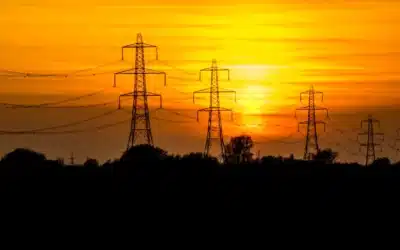
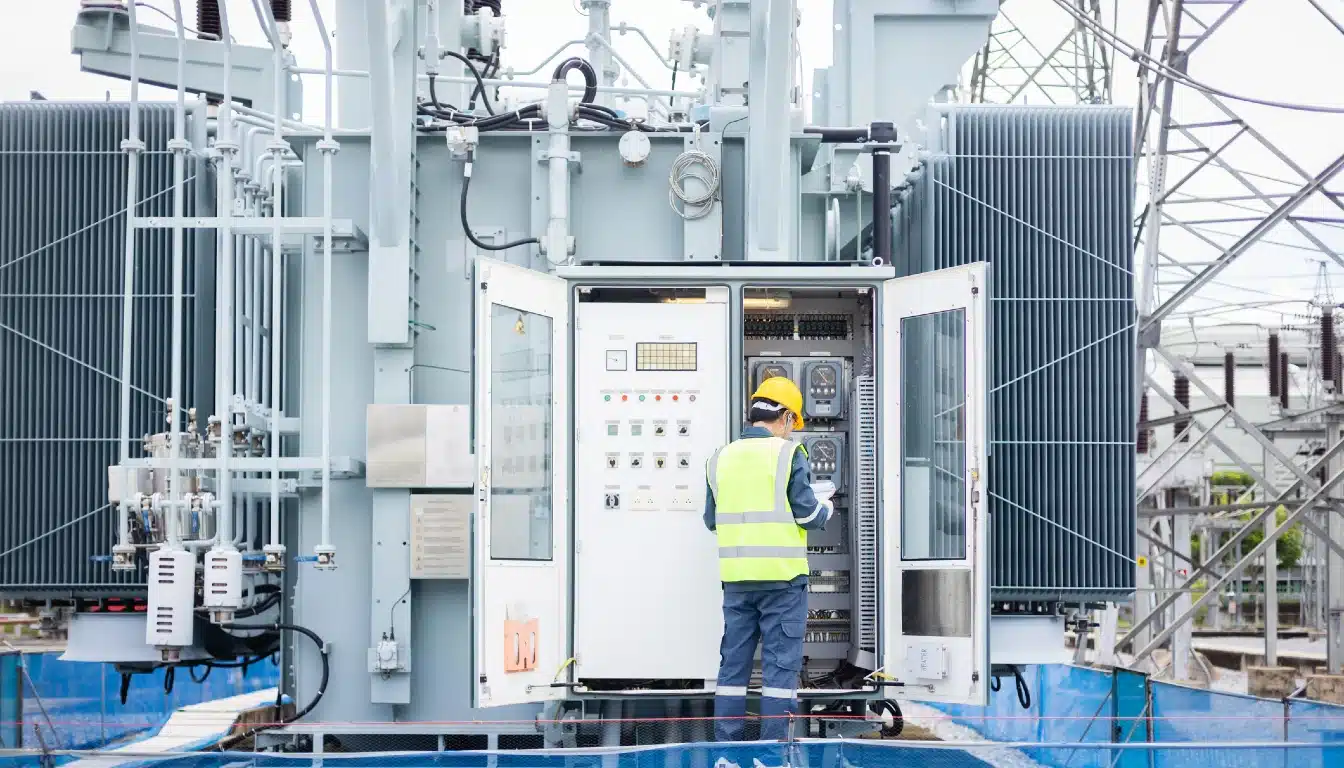
Connection queues are holding back clean energy projects across the UK and Europe. Professor Maurizio Bragagni OBE, Chairman and CEO of Tratos UK, argues in this Opinion article that the grid needs as much attention as new generation. He wants networks planned ahead of demand, with suppliers and policymakers brought in early to avoid costly bottlenecks.
The primary approach to decarbonisation has been an investment in technology thus far. Investigating and developing the means to greener electricity generation and the electrification of transport. The reason for this needs no explanation. We need those technologies if we’re going to progress towards a low-carbon future. But we also need something else that has received far less attention: the ability to connect all this new generation and demand to the electricity network.
The assumption seems to have been that if we can create the technology, the existing grid infrastructure will be able to accommodate it. But across the UK and Europe, that’s becoming increasingly difficult. While investment in renewable generation, storage, and electrification continues to grow, many projects are being held back by connection queues and infrastructure constraints. The money is there. The tech is there. But the grid network is simply not expanding quickly enough to accommodate the energy system being built around it. And it’s not necessarily the fault of the network providers.
Infrastructure must be prioritised
Decarbonisation is already underway. The UK’s first commercial wind farm, Delabole, opened in Cornwall in 1991. According to the Department for Energy Security and Net Zero’s Renewable Energy Planning Database, there are now 834 operational wind farms in the UK and more than 1,300 operational solar farms, with thousands more projects in the planning pipeline. But the move to a lower-carbon energy system needs more than generation. It needs infrastructure.
Every point of generation has to connect to the network. Electricity has to move to where it’s needed, demand has to be managed, and networks need enough capacity to support a system that’s becoming more and more dependent on electricity. We don’t yet have the grid infrastructure to cope with that, which is why we need a new approach.

Professor Maurizio Bragagni OBE, Chairman and CEO of Tratos UK
Planning for the system ahead
Network development has always followed demand. That’s just how things have been done, and there’s been no previous reason to change that. Capacity was considered when a project sought a connection, and infrastructure was developed in response. The problem is that that model becomes much harder to sustain when connection requests are increasing in number and scale at a rate never previously seen. And that’s complicated even further by the fact that much of this new generation is emerging in locations that were not historically major sources of electricity.
A new approach is needed. Networks don’t just need to work faster. There needs to be greater anticipation of where generation, storage and demand will develop, so that infrastructure can be designed and delivered ahead of requirement. But for that to happen, there also needs to be greater communication.
Bringing supply chains into the conversation
Major energy infrastructure projects take time. There’s a huge amount of work involved. Not just the planning, but designing, consenting, procurement, and construction. Specialist equipment is always involved, and that can also add in long manufacturing and installation lead times. Even things as apparently simple as cables depend on specialised materials, manufacturing capacity, engineering skills, and installation expertise. Connection isn’t as simple as flicking a switch. So, this is where early engagement can make a significant difference.
If network operators and developers provide suppliers with better visibility of future needs, manufacturers can plan capacity, secure materials, and allocate resources more effectively. Preventing potential delays further down the line.
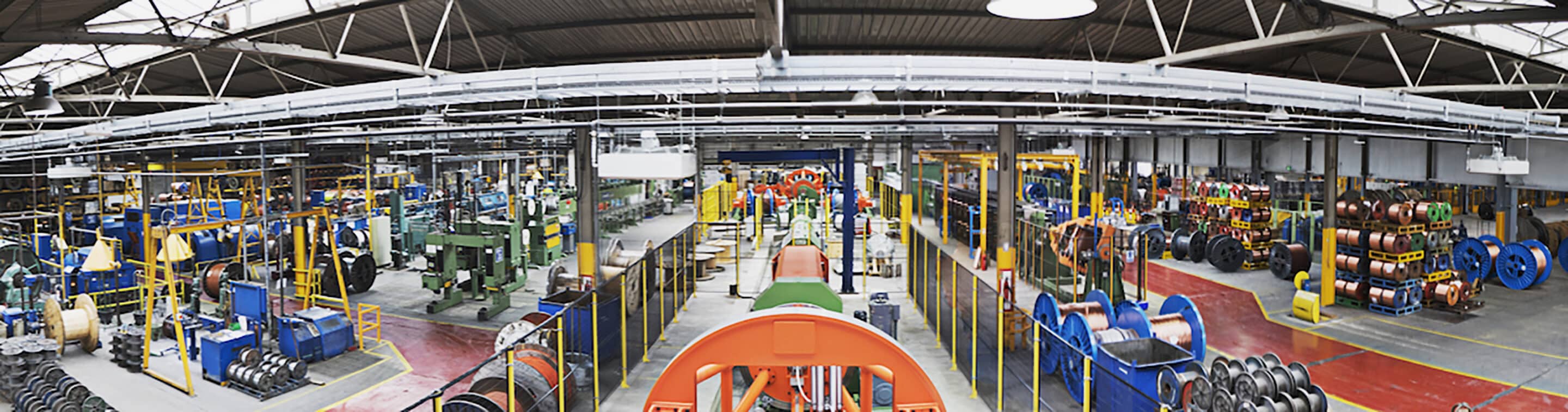
Inside the Tratos factory.
Coordinating the wider system
Earlier collaboration between developers, network operators, manufacturers, policymakers, and supply-chain partners would not only create a clearer picture of what is needed and when. It would allow potential constraints to be identified while there is still time to respond, avoiding the expensive and disruptive bottlenecks that are becoming such a common feature of the sector.
Building the infrastructure we need
Adding generation capacity alone isn’t enough to guarantee a reliable low-carbon energy system. For that to happen, electricity must be able to get to where it is needed. And there are multiple things that need to happen for that to become a guaranteed reality.
Firstly, digitalisation and smart-grid technologies need to be used more widely to help operators manage power flows in real time. But there also needs to be a commitment to anticipatory network development, to remove the barriers holding back connectivity. The system also needs greater flexibility, and that can be gained through stronger interconnection between regions and countries across the EU and UK. The ability to move electricity between areas not only reduces the need for a guaranteed local capacity, but helps to make use of surplus renewable generation while balancing higher demand.
Then there’s the real need to focus on supply-chain constraints. Long-term procurement, early manufacturer involvement, and greater visibility of future requirements can help prevent delays by ensuring that all necessary equipment is anticipated and available when it is needed.
And, of course, planning and consenting processes must support infrastructure growth at the pace required.
A shared responsibility
It’s easy to look at this issue as a problem for network operators alone to handle. After all, it’s the grid where the delays are happening. But they can’t do it without the support of policymakers and the input of developers and suppliers. We’re working in entirely new territory now, and without visibility and collaboration progress is going to halt.
There’s no arguing against the fact that energy transition depends on generation technology. Wind turbines, solar panels, batteries, and electric vehicle development carry real value. But they can only deliver their full potential when the infrastructure connecting them is ready. And if we don’t start making headway in addressing this obvious missing link soon, infrastructure constraints will increasingly determine how quickly decarbonisation can move forward.
Professor Maurizio Bragagni OBE is a British-Italian industrialist and Chairman & CEO of Tratos UK, with more than two decades’ experience in international manufacturing and critical infrastructure. He provides expert commentary on UK and European cable manufacturing, electricity grids, energy security, cables, telecommunications, AI and data-centre infrastructure, strategic supply chains, critical materials and European industrial competitiveness.