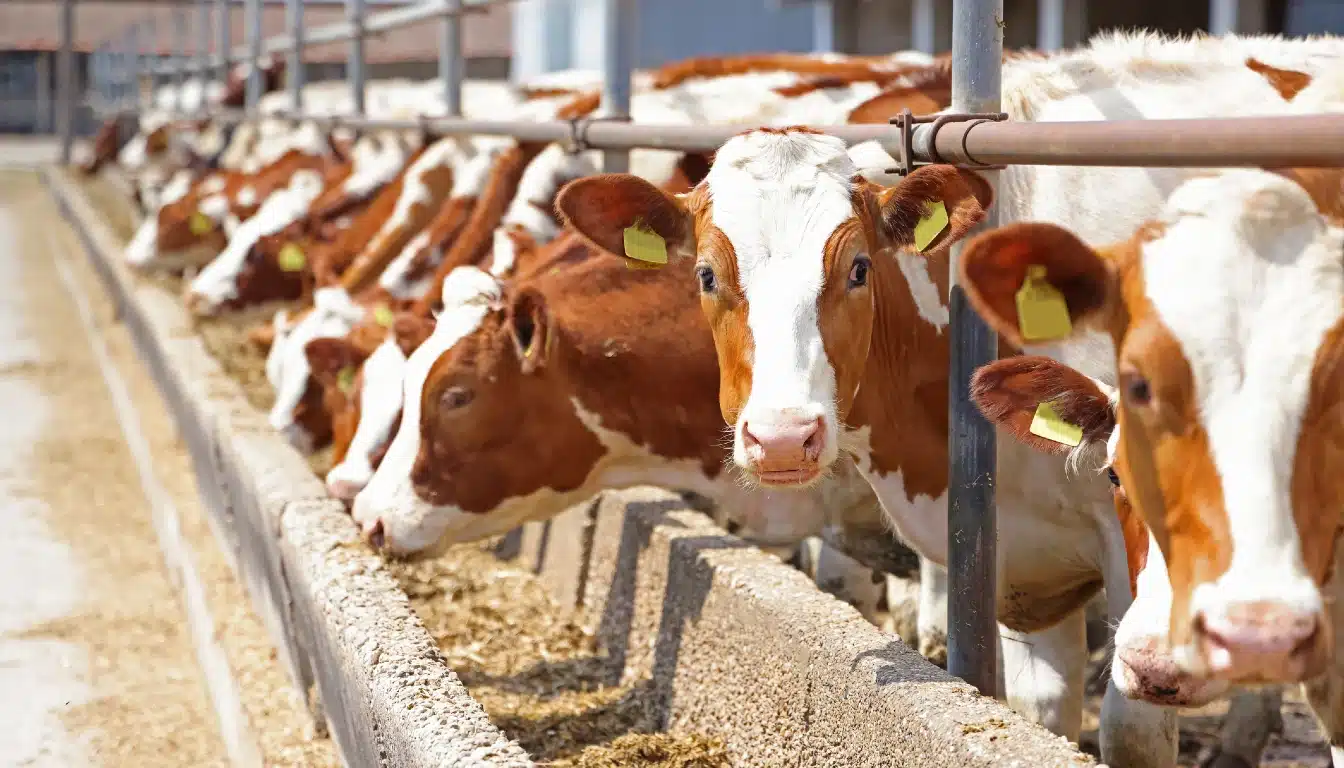
The California start-up will use the seed money to build a demonstration plant and finish the design of a commercial site that turns methane and carbon dioxide from dairy farms into aviation fuel.
Circularity Fuels has raised $7m in a seed round to scale up a way of turning dairy biogas into sustainable aviation fuel (SAF). Trucks Venture Capital and DCVC led the round. Sum Ventures and Automotive Ventures also took part.
The California-based company has now raised about $17m in all. That sum includes nearly $7m in grants from ARPA-E, the US Department of Energy’s research agency, and the National Science Foundation.
What the seed money will pay for
The new funds cover an 18-month work plan. Over that time, Circularity plans to build and run a demonstration plant. It will also finish the engineering design for its first commercial site and seek fuel supply deals with airlines.
That first commercial plant is set to make 75 barrels of fuel a day. Circularity expects to break ground on the site in 2027. In addition, it plans to license its reactors to partners that want to build plants of their own. The company is aiming at farm biogas in the United States, Latin America and Europe.
How the process works
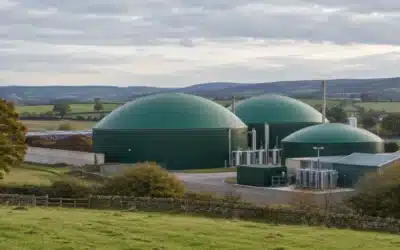
Dairy farms already use digesters to turn manure and other farm waste into fuel for power and heat. The gas they make is mostly methane and carbon dioxide. Circularity uses both gases as its raw material.
Its reactors are modular and run on electricity. They convert the methane and carbon dioxide into a blend of hydrogen and carbon monoxide, known as syngas. Syngas is a common building block in the chemical industry. The company then turns it into liquid fuels such as SAF.
Circularity tested the process in a six-month pilot at a dairy near Madera, California, which it announced in June. The company says the pilot was the first full conversion of raw dairy biogas into SAF. It also says the fuel met industry specifications for synthetic jet fuel blends.
Why the investors backed it
Circularity grew out of the incubator run by DCVC, a venture firm that backs deep technology companies. Dr Stephen Beaton founded it in 2023. Zachary Bogue, managing partner at DCVC, said his firm backed the company “because methane and CO2 are wasted today at nearly every dairy and landfill”.
Beaton made a similar point about supply. “Every dairy already has the feedstock. What’s been missing is a way to turn it into jet fuel that makes economic sense,” he said.
Puneeth Meruva, partner at Trucks Venture Capital, spoke about cost. “It’s the first practical attempt to solve SAF’s unit-economics problems,” he said.
Cost remains the hurdle for SAF
For now, price is the main reason SAF still makes up only a small share of the fuel that airlines burn. It still costs more than the fossil jet fuel it replaces. Many makers also compete for the same scarce feedstocks, such as used cooking oil.
Meanwhile, rules in the EU and the UK now require fuel suppliers to blend in a rising share of SAF over time. So airlines and fuel firms need new sources of low-carbon fuel, and they need them at a lower price.
That is why some developers are turning to waste gases. Dairy biogas fits that search, because farms produce it every day. However, it comes from many small sites spread across rural areas. As a result, any process that uses it has to work well at a modest size.
A modular bet
Circularity’s plan rests on its small, modular reactors. Its licensing model would also let other firms use the design on their own sites.
The next 18 months will be important for that plan. If the demonstration plant works at a larger scale, the company will have firmer numbers to show airlines. Those numbers will decide whether dairy biogas becomes a regular source of jet fuel or stays a niche.