The enhanced geothermal developer has lifted its contracted revenue by more than half in three months, helped by a 396 MW plant for Google that it says will cost less to build than its first one.
Fervo Energy’s contracted revenue has reached $11.9bn, up from $7.2bn in the previous quarter. The geothermal developer gave the figures in its third-quarter results, which put its geothermal order book at a new high.
The largest single addition is a 396 MW power plant for Google, known as Cape Google 400. Fervo expects to finish it by the end of 2028. The project follows the Google deal in Utah that the two companies signed earlier this year.
Costs are falling with each phase
Fervo says the Google plant will cost $5,500 per kilowatt of capacity. By comparison, the first phase of its Cape Station project in Utah cost $7,000 per kilowatt. The company’s long-term target is $3,000 per kilowatt.
With subsidies, the Google project costs about the same as a new gas plant that buys fuel at $6 per million BTUs. That gas price is still about twice what gas costs today. So geothermal power remains dearer than gas, although the gap is closing.
To hit its target, Fervo needs to cut a further $2,500 per kilowatt from the Google price. That would take its costs down by more than half from the first phase at Cape Station.
Wells are getting more productive
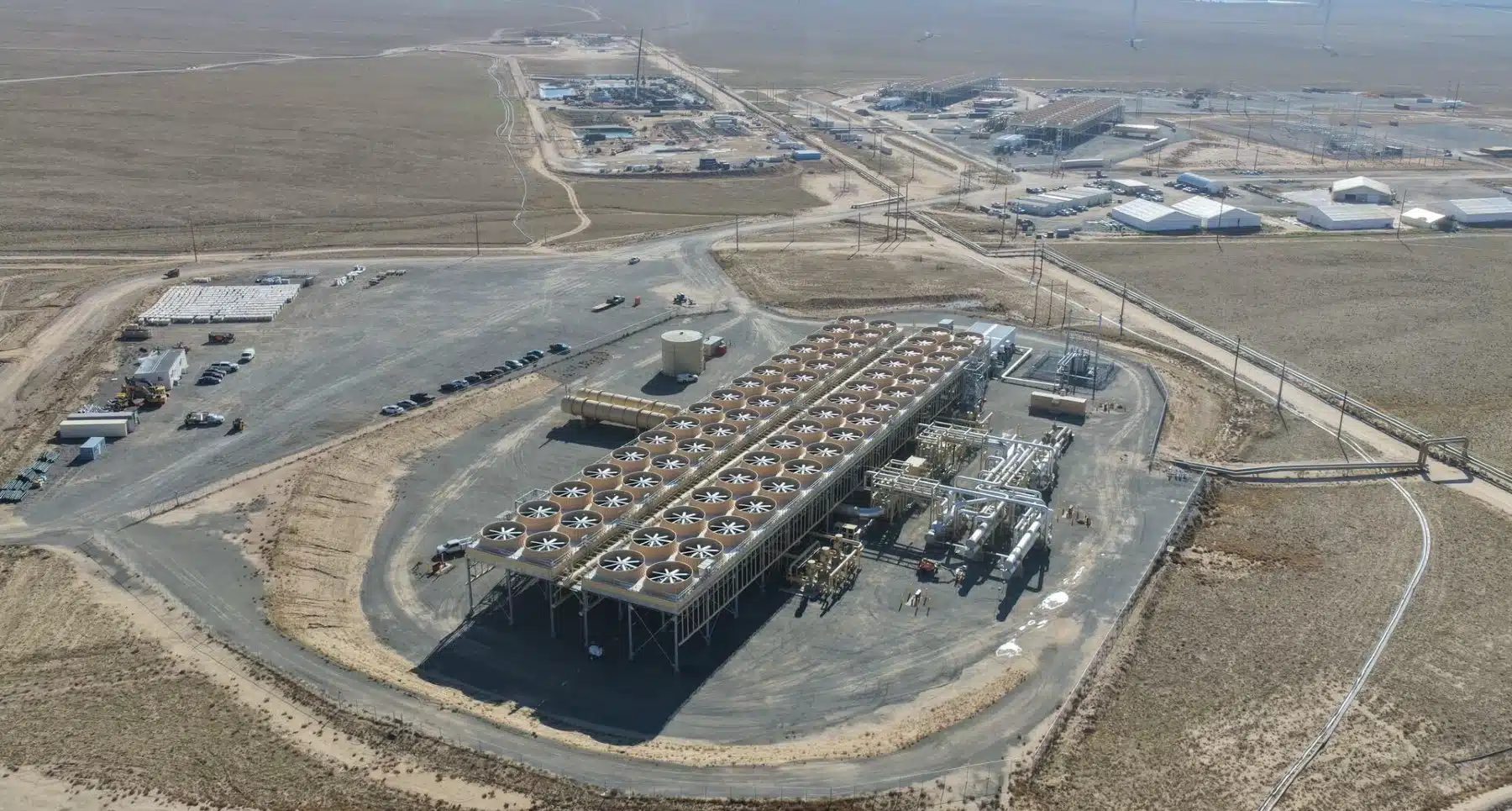
Fervo’s first 100 MW plant at Cape Station joined the grid earlier this year. Since then, its wells have grown more powerful. Newer wells each deliver 15 MW gross.
Output from each development block has risen too. Its first finished GeoBlock produced 33 MW. In contrast, its recent GeoBlocks produce 50 MW, which is about half as much again.
Fervo has also raised its view of how much power the site can supply. It now puts the potential of Cape Station at 8.4 GW. Experts had earlier put the figure at about 4 GW.
Why the bigger resource is important
A larger resource is important for buyers such as Google, because one site now has room for many more plants. As a result, Fervo can serve several large contracts from a single location.
Tim Latimer, co-founder and chief executive, told analysts on the earnings call: “We built Cape Station on our schedule.” He added that Google can develop a potential data centre on its own timeline. So neither party is waiting on the other.
That separation is useful for both sides. Fervo can keep drilling and building at its own pace. Meanwhile, Google can plan its data centre without tying the timing to the power plant.
The balance sheet behind the order book
Fervo reported an operating loss of $43.7m for the quarter. It ended the period with $1.9bn in cash and cash equivalents. It also carried $301.6m in long-term debt. That leaves its cash at more than six times its long-term borrowing.
Its geothermal order book reflects strong demand for firm, low-carbon power. Data centres need electricity around the clock, which wind and solar can’t supply on their own. Enhanced geothermal runs day and night, and it doesn’t depend on the weather.
Geothermal’s place in the global mix
Geothermal still supplies a small share of the world’s power. Installed geothermal power capacity stood at 15.6 GW in 2025, according to the International Renewable Energy Agency (IRENA).
IRENA and the COP31 Presidency have set out a goal to raise that to 193 GW by 2050. Reaching it would mean adding about 7 GW a year on average. By contrast, recent annual additions have been 200 to 400 MW.
Growth on that scale would need many more projects like Cape Station, in the United States and in other countries with good geothermal resources. Fervo’s $3,000 per kilowatt target would bring its power much closer to the cost of new gas plants. Meanwhile, its geothermal order book gives it a pipeline of plants on which to drive those costs down.