New UN Climate Change reports show finance rising by almost a third, yet adaptation plans are stalling for lack of money and national pledges would cut emissions by about 6 per cent by 2035.
Global climate finance rose 32 per cent to an annual average of $1.9tn in 2023 and 2024, according to UN Climate Change. The figure comes from the Seventh Biennial Assessment and Overview of Climate Finance Flows, one of several reports the body published on 27 October. Together, the reports show governments acting across their economies while collective progress still falls short.
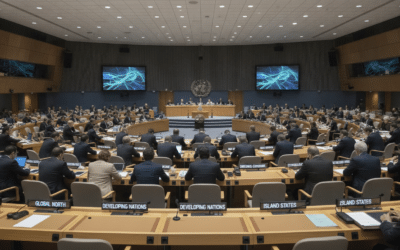
They arrive ahead of COP31, which runs from 9 to 20 November in Antalya, Türkiye. Their figures will frame the finance negotiations there.
Finance rises, but unevenly
Climate finance covers the money that pays for cutting emissions and adapting to a hotter world. The biennial assessment finds that reporting on these flows has improved. However, the money is spread unevenly, and poorer countries still struggle to get it. Adaptation finance also falls short of what countries need.
The assessment calls for more investment, better access and lower costs. It also wants finance tied to countries’ own climate priorities and to the goals of the Paris Agreement.
A separate report tracks the $100bn goal for climate finance from developed to developing countries. Every data source shows that support rose between 2020 and 2024. One source found developed countries met the goal in 2022, 2023 and 2024, although measurement methods differ.
Adaptation plans stall before funding arrives
The National Adaptation Plan Progress Report shifts its focus from writing plans to delivering them. As of 20 October, 146 countries had launched the NAP process. Some 81 developing countries have submitted plans, including 29 least developed countries and 17 small island developing states.
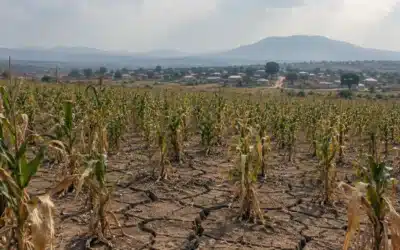
Finance is the main barrier. Countries struggle to turn plans into project proposals, then approved projects, then money that reaches the people most in need. The report points to a limited number of accredited entities and slow approval processes.
Even approval doesn’t guarantee access to funds. Long processing times and delayed disbursements can stall delivery after a project clears review. That echoes earlier warnings about the adaptation finance gap.
Pledges still far off track
The 2026 NDC Synthesis Report covers 127 new national climate plans from 154 parties, recorded between 1 January 2024 and 31 August 2026. Together, they account for about 70 per cent of global greenhouse gas emissions.
Current pledges would cut global emissions by about 6 per cent by 2035, compared with 2019 levels. Full implementation of every pledge would raise that to about 9 per cent. The report describes emissions cuts as substantially off track against what the science requires.
There are some positive signals. Some 98 per cent of parties now involve non-state stakeholders in delivering their plans, up from 70 per cent under earlier rounds. Meanwhile, 65 per cent of parties say clean energy helps their energy security. Some 90 per cent say the first global stocktake shaped their new plans.
Separately, 137 parties have filed Biennial Transparency Reports, covering about 85 per cent of global emissions. Between 2020 and 2022, 61 parties made progress against their targets. Those parties produced about 66 per cent of global emissions in 2020.
More than 30 of those transparency reports are new since last year. In addition, 92 per cent of parties link climate action to the Sustainable Development Goals. The same share include an adaptation component, even though it isn’t mandatory.
A test for COP31
Simon Stiell, Executive Secretary of UN Climate Change, said the reports show “more governments are taking climate action right across their economies”. Yet he warned that “collective progress remains clearly insufficient”.
For negotiators in Antalya, the numbers cut both ways. Global climate finance is growing, yet it isn’t reaching adaptation projects fast enough. So access and delivery sit alongside headline totals as the issues to resolve.
In short, global climate finance now faces a delivery test. The money has grown, and the next question is how quickly it reaches the countries that need it most.