
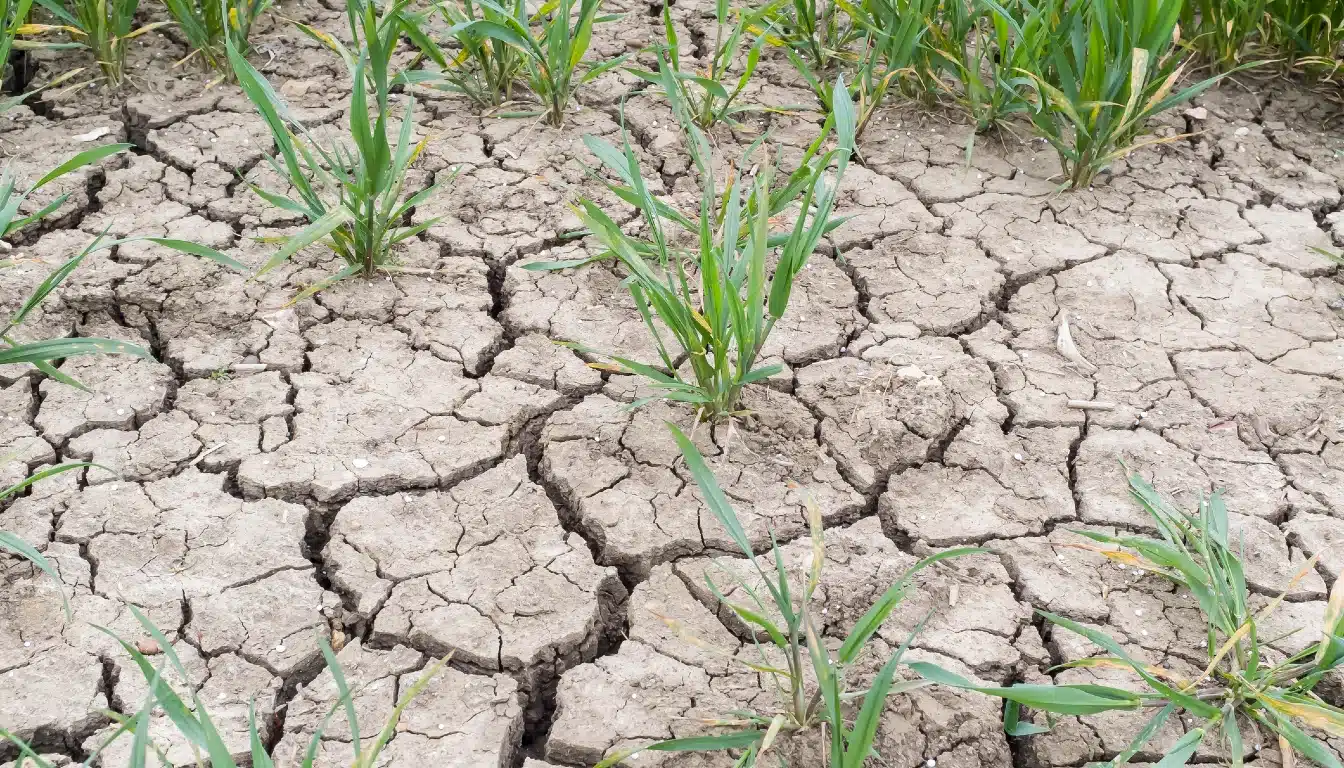
Wealthy governments are providing only a fraction of the climate adaptation finance that developing nations require, with a shortfall of roughly 90 per cent against assessed needs, according to a new warning from Oxfam issued ahead of the Bonn climate talks. The figures arrive at a moment when international climate negotiations face mounting pressure to translate financial pledges into disbursed capital.
The Scale of the Shortfall
Oxfam’s analysis identifies a structural gap between what developed countries are delivering and what climate-vulnerable nations need to adapt to rising temperatures, extreme weather, and sea-level rise. The organisation warns that the gap is not marginal. At 90%, it represents a near-total failure to meet assessed adaptation finance requirements.
The Bonn intersessional talks, which serve as a preparatory forum ahead of the annual COP summit, provide a critical opportunity to address the financing architecture underpinning these commitments.
Why the Money Is Not Flowing
Several structural factors explain the persistent shortfall. Adaptation projects are inherently local and context-specific, making them harder to package into the large-scale instruments that institutional investors prefer. Unlike solar farms or battery storage, a flood-resilient drainage system in a low-income country generates no revenue stream. Private capital has little incentive to enter without substantial public co-financing or concessional structures.
Much of what governments do count as adaptation finance arrives in the form of loans rather than grants. Oxfam and other civil society organisations have repeatedly challenged this accounting, arguing that debt-based instruments push vulnerable countries further into fiscal stress. The OECD tracks climate finance flows, but its methodology has been contested by recipient nations who argue that reported figures overstate actual adaptation support.
Bonn as a Pressure Point
The Bonn talks carry particular weight this year. Negotiators are expected to work through the technical details of the new climate finance goal and the transparency frameworks that will govern how contributions are counted and reported. Developing country blocs, including the G77 and China grouping, have consistently demanded that adaptation receive a defined and protected share of any new finance target.
Oxfam’s intervention ahead of Bonn is timed to shape that negotiating environment. Civil society organisations have used pre-sessional periods to publish data that frames the terms of debate, and the 90 per cent shortfall figure is likely to feature prominently in submissions from climate-vulnerable nations.
What the Negotiations Must Deliver
For the Bonn process to produce meaningful progress, negotiators need to agree on a credible methodology for measuring adaptation finance needs, a transparent accounting standard that distinguishes grants from loans, and a clear sub-goal for adaptation within the broader finance architecture. Without those three elements, the gap Oxfam identifies will persist regardless of headline figures announced at future COPs.
The political economy is difficult. Donor governments face domestic fiscal pressures and are reluctant to commit to grant-based instruments at scale. But the cost of inaction compounds.