
UNCCD COP17 closed in Ulaanbaatar with a $1.3bn portfolio for land restoration and drought resilience. Countries failed to agree a global drought framework, pushing the question to COP18.
The seventeenth Conference of the Parties to the UN Convention to Combat Desertification ended on 29 August. Of the $1.3bn announced, $644.5m counts as new finance. The rest was already committed elsewhere.
That total sits against an estimated annual financing gap of $278 billion for land restoration and drought resilience, according to the World Resources Institute. So the portfolio covers roughly half a per cent of what the gap requires each year, and much of it has yet to reach the ground.
Drought talks stopped short
Drought was one of the defining issues of the conference. Countries discussed a stronger global framework and then declined to agree one, deferring the question to COP18.
Susan Chomba, director of vital landscapes at WRI Africa, said the test in Ulaanbaatar was whether countries could get ahead of the crises rather than keep scrambling after the damage. “Drought may hit locally, but its impacts on food, water and economies can quickly cross borders,” she said. “Stronger preparedness and cooperation will be essential, and increasingly urgent.”
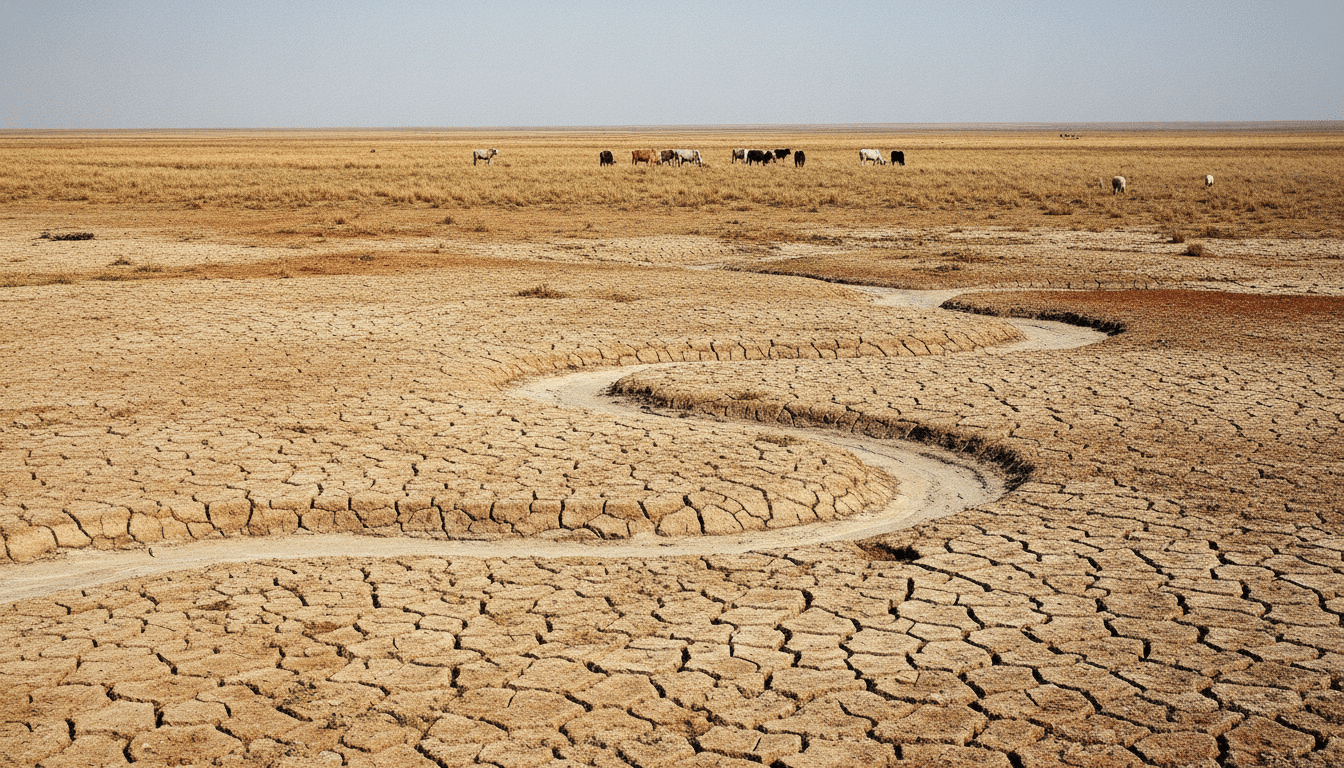
The context made the omission conspicuous. COP17 opened as drought dried water supplies, fuelled wildfires and left families with failed harvests in several regions at once.
Pastoralists gain recognition
Held during the International Year of Rangelands and Pastoralists, the conference gave sustained attention to rangeland communities. Chomba called the recognition of pastoralists as stewards of the world’s rangelands overdue.
Research shows rangelands are far less likely to be converted where Indigenous Peoples and local communities hold secure land rights. Any credible rangeland plan therefore has to recognise those rights and build on that knowledge, Chomba said.
The point connects the finance question to the governance one. Money that reaches landscapes without secure tenure tends not to hold.
Earlier in the week, UNEP and the FAO named three new World Restoration Flagships, in Brazil, the Sahel and Saudi Arabia, carrying commitments to restore almost five million hectares by 2030. Those awards were the concrete output of a conference whose negotiating track stalled.
What COP18 inherits
The desertification track now carries a familiar shape. Finance gets mobilised and announced, while the binding architecture that would direct it stays unbuilt. That pattern sets the terms for the triple-COP year, with the biodiversity and climate conferences still to come.
Chomba framed the measure plainly. The true test of COP17, she said, is whether families are safer when the next shock arrives, “with water to rely on, food on the table and land that can keep sustaining them”.
With El Niño intensifying, she added, every delay leaves people more exposed.