The United States Environmental Protection Agency (EPA) has proposed loosening construction permitting rules for gas-fired power plants, data centres, and industrial facilities, a move that would weaken air quality standards governing how much pollution new and expanded sites can emit. The proposal marks one of the most consequential regulatory rollbacks of the Trump administration’s second term for the energy and industrial sectors.
What the Proposal Would Change
The EPA is targeting the New Source Review programme, the permitting framework that requires major new or modified industrial sources to meet stringent pollution control standards before construction begins. Under the proposed changes, facilities would face less demanding requirements when assessing whether their emissions trigger full regulatory review. The practical effect is that more projects could proceed with lighter scrutiny of their air quality impact.
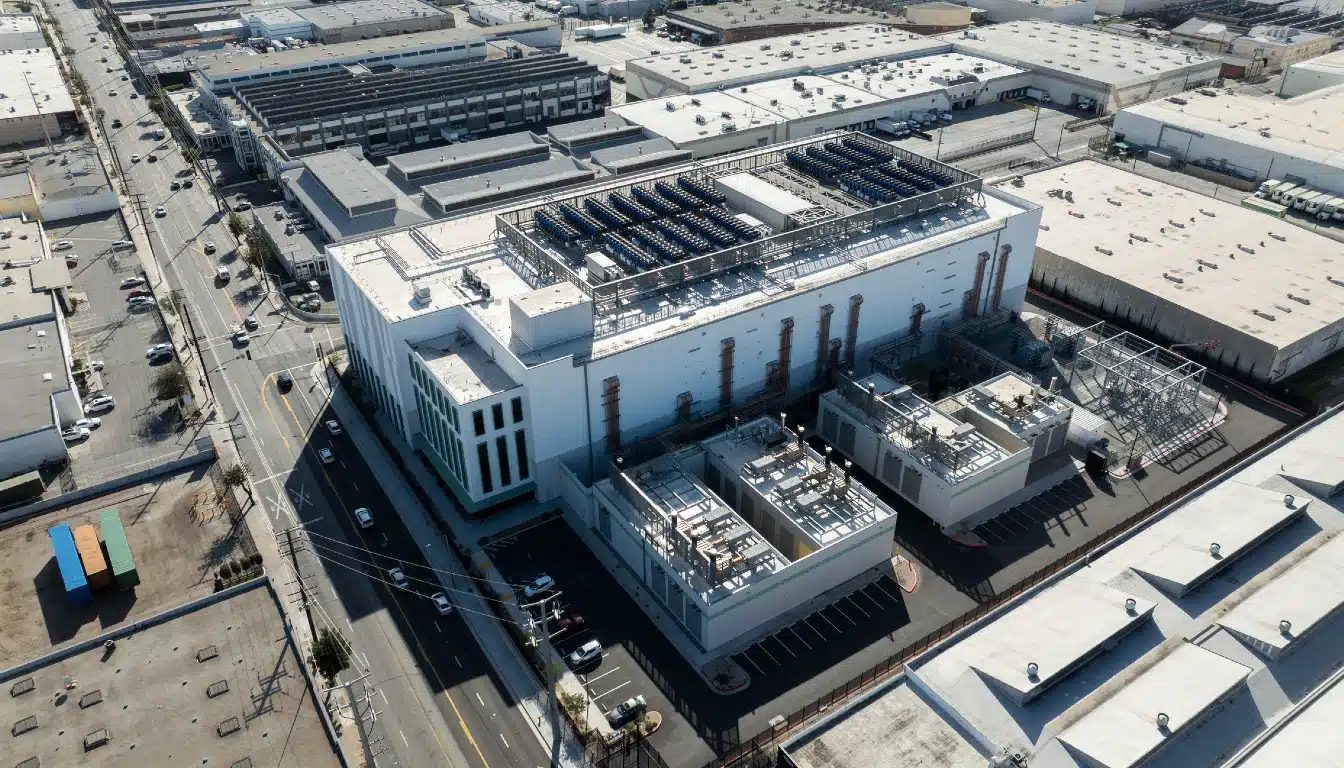
Data centres have emerged as a particular focus. Surging demand for artificial intelligence infrastructure has driven a rapid expansion of large-scale computing facilities across the United States, many of which rely on gas-fired backup generation or direct grid connections supplied partly by fossil fuels. Developers and utilities have lobbied for permitting relief, arguing that existing rules slow deployment and threaten grid reliability.
Gas plant developers have made similar arguments. The administration has framed the proposal as necessary to accelerate domestic energy production and reduce what it describes as regulatory bottlenecks. Critics argue the changes would expose communities near industrial sites to higher concentrations of nitrogen oxides, particulate matter, and other pollutants with established health consequences.
The Health and Environmental Stakes
New Source Review has long been contested terrain between industry and environmental regulators. The programme was designed to ensure that economic growth does not come at the cost of air quality gains achieved since the Clean Air Act. Weakening its thresholds shifts the balance toward development speed over pollution control.
The communities most exposed to the consequences are typically those already bearing disproportionate pollution burdens. Industrial corridors in the Gulf Coast, the Ohio Valley, and parts of the Southeast host concentrations of refineries, chemical plants, and power generation that have historically operated near or above health-based air quality limits. Looser permitting for new or expanded facilities in these regions compounds existing exposure risks.
Particulate matter and nitrogen oxides are linked to respiratory and cardiovascular disease. Regulatory rollbacks that increase allowable emissions from large point sources carry measurable public health costs, even when individual facility increases appear modest in isolation. Cumulative impacts across a region can be substantial.
Implications for the Energy Transition
The proposal arrives at a moment when the United States power sector faces competing pressures. Electricity demand is rising, driven by data centres, electric vehicles, and industrial electrification. Utilities and grid operators have pointed to supply constraints as a reason to extend the life of existing gas infrastructure and permit new capacity quickly.
For climate-focused investors and developers, the regulatory shift carries mixed signals. Easier permitting for gas plants could entrench fossil fuel infrastructure at a point when the economics of wind, solar, and battery storage are increasingly competitive. Projects that might otherwise have faced meaningful environmental review could advance with reduced accountability for their long-term emissions profile.
At the same time, some clean energy developers have expressed frustration with permitting timelines that affect their own projects. The broader debate over permitting reform in the United States has drawn support from across the political spectrum, though the specific changes proposed by the EPA target fossil fuel and industrial facilities rather than the transmission and renewable energy bottlenecks that clean energy advocates have prioritised.
Is It a Done Deal?
The proposal will enter a public comment period before any rule is finalised. Environmental groups and public health organisations are expected to mount legal and procedural challenges. Several states with their own air quality programmes may also resist federal changes that they view as undermining standards they have independently maintained.
For the data centre and gas generation sectors, the timeline matters. Developers planning facilities over the next two to four years will be watching whether the rule survives legal challenge and how individual state regulators respond. If the changes hold, the permitting landscape for large emitting facilities in the United States will look materially different by the end of the decade, with consequences for both air quality outcomes and the pace at which cleaner alternatives face pressure to compete on equal regulatory terms.