Munich-based VÆRIDION has raised €30m to build a first conforming prototype of its nine-seat battery-electric Microliner, and the European Commission has selected its assembly project for a separate €94.5m grant.
VÆRIDION has closed a €30m Series A2 to build the first conforming prototype of its Microliner, a nine-passenger electric regional aircraft. SHIFT Invest and Invest-NL led the round. Existing investors World Fund, Project A and Vsquared Ventures also took part, as did PAYBACK founder Alexander Rittweger.
Separately, the European Commission selected the company’s CAROLUS project for a €94.5m EU Innovation Fund grant. That money would pay for a final assembly facility at Oberpfaffenhofen Airport near Munich. However, the selection depends on a grant agreement that the company expects to sign in 2027, so the €94.5m isn’t yet in hand.
Equity for a prototype, a grant for a factory
The two funding streams do different jobs. The equity pays for the first conforming aircraft, while the grant would establish and ramp up production in Bavaria. Including this round and earlier public funding, VÆRIDION has raised about €60m to date.
CAROLUS was one of 12 large-scale projects chosen from 358 applications. It’s also the only aviation project in that group, and VÆRIDION is the only German company in it. The company counts the equity and grant together as more than €124m, although the larger part remains conditional.
Ivor van Dartel, founder and chief executive of VÆRIDION, said: “This equity round enables us to build our first conforming aircraft.” Van Dartel and Sebastian Seemann, both former Airbus managers, founded the business in 2021.
A nine-seater with a 400 km range
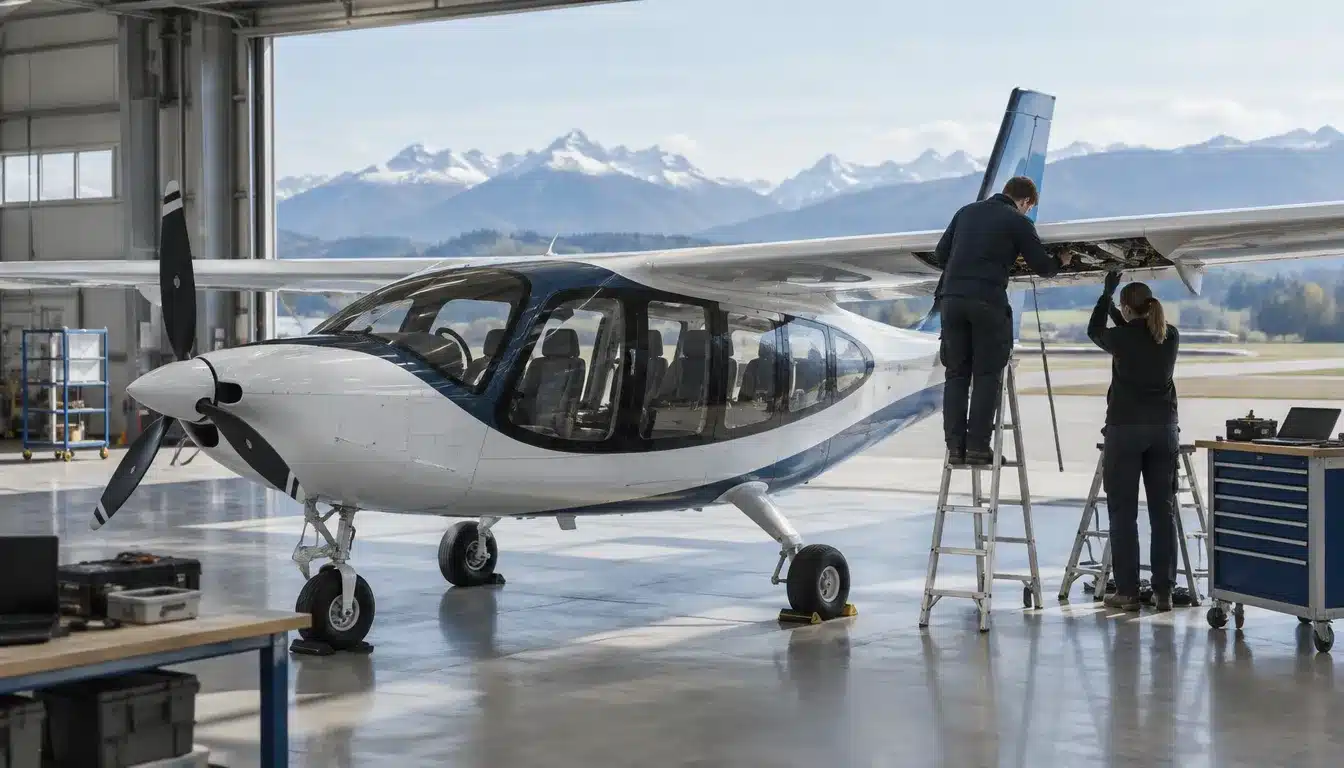
The Microliner is a clean-sheet design with a glider-inspired wing, patented integrated modular batteries and a multi-engine, single-propeller propulsion system. VÆRIDION quotes a range of up to 400 km with nine passengers under instrument flight rules. That rises to 550 km with four passengers under visual flight rules.
The company targets operating costs below €0.40 per seat-kilometre. It also plans both passenger and cargo versions. Low noise could also allow night flights, subject to airport approval. These remain design targets, because no conforming aircraft has yet flown.
Regional routes suit batteries better than long-haul flying, since the distances are short and the planes small. Longer routes are more likely to depend on other fuels, including eSAF. Thijs Gitmans, general partner at SHIFT Invest, said: “Regional aviation is one of the clearest cases where electrification makes both environmental and commercial sense.”
Orders and testing
VÆRIDION reports commitments for more than 130 aircraft, valued at over €730m, with ASL Group as launch customer. Those commitments come from regional airlines, charter operators and lessors. The company cites a market of more than 21,000 small turboprops on regional routes worldwide, with an average age of 23 years.
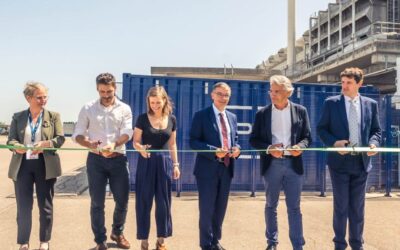
CSN first covered the Microliner programme in March 2025. Since then, VÆRIDION has opened a production and test facility at Oberpfaffenhofen, in March 2026. It has also powered on its electric engine for the first time. In addition, it has completed its preliminary design review and a second pre-application contract with EASA, the European aviation regulator.
Next, the company will integrate its battery packs and propulsion system on a ground-test rig called the “copper bird”, alongside wind-tunnel testing. After that come the first conforming aircraft and preparation for flight testing.
Certification sets the timetable
VÆRIDION is developing the aircraft to EASA’s CS-23 requirements and targets commercial service in 2030. Certification of a clean-sheet aircraft is a long process, and 2030 is four years away. So the programme now rests on the prototype that this round funds, and the electric regional aircraft has yet to prove itself in flight.
Daria Saharova, managing partner at World Fund, also backed the plan. “Investing in the future of aviation is Europe’s power play,” she said. The copper bird results and a signed grant agreement are the next markers. An electric regional aircraft needs both before it can reach production.