The Colorado nonprofit is backing wastewater, methane and biochar projects through advance purchases and investment, using small cheques to help them win the larger finance they need to scale.
Terraset, a Colorado climate nonprofit, is committing more than $2m to three early-stage climate companies. It is using advance purchases and other deals to back carbon removal start-ups and methane cuts. The aim is to help each company draw in bigger investors and reach commercial scale.
The round backs some firms Terraset already holds and some new ones. Terraset says it chose projects that could draw in further capital and deliver benefits beyond carbon removal or emissions cuts. It also plans to disclose more investments from the same round.
Three different bets
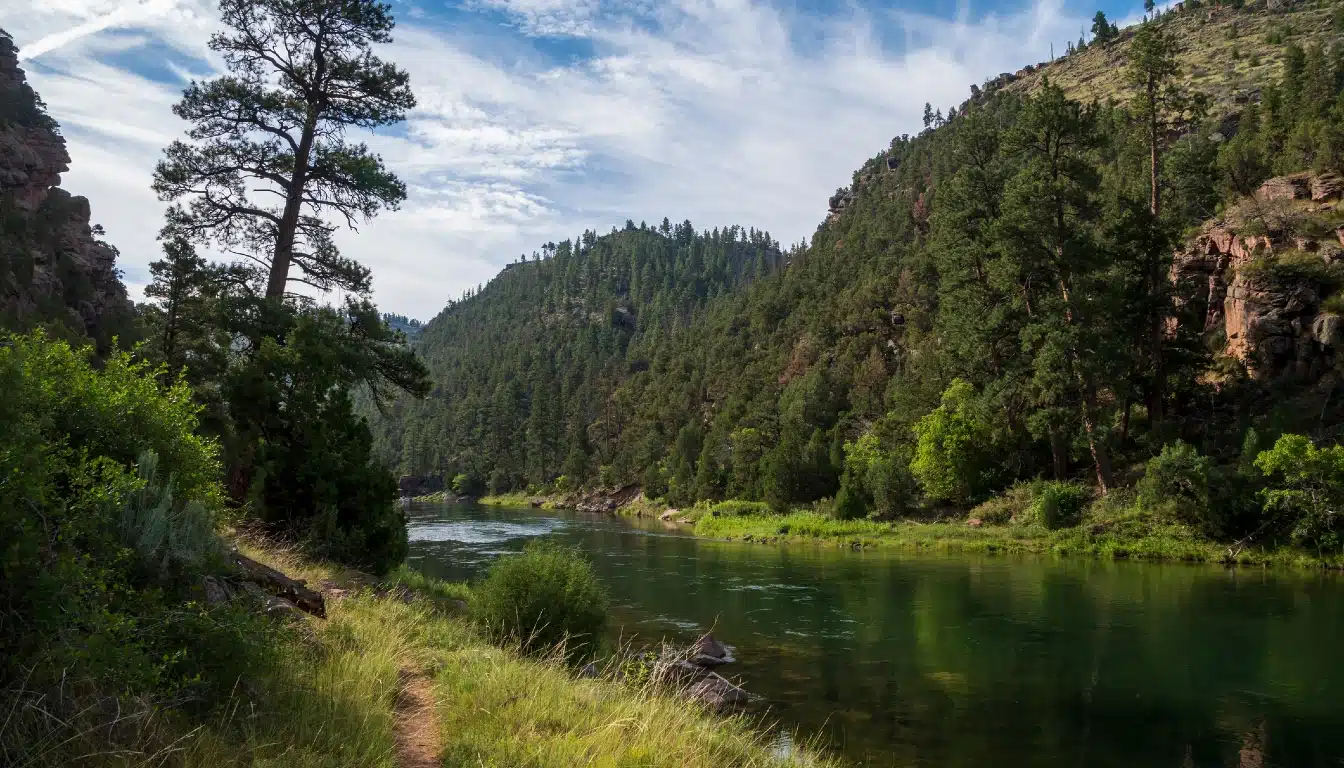
Airbuild uses biochar made from algae to clean wastewater. The process also recovers nitrogen and phosphorus. Terraset’s money backs a pilot plant in Green River, Utah. Airbuild hopes the pilot will turn interest from five local governments, worth $37.5m, into signed contracts.
Terraset says the system could also cut water pollution and help farmers use less synthetic fertiliser. Both would be local gains on top of any climate benefit.
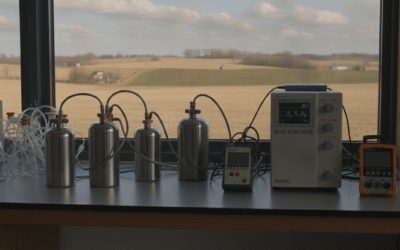
Frost Methane captures and flares methane from livestock farms, abandoned coal mines and landfills. Terraset is buying credits from Frost for the methane it destroys. In turn, that purchase gives Frost evidence of credit sales while it competes in the Grow-NY start-up competition, which carries a $1m top prize.
On farms, Frost’s systems can also improve water quality and reduce odours. Those local benefits fit the test Terraset set for this round. Terraset wanted each project to do more than cut carbon.
Biochar for Ukraine’s national parks
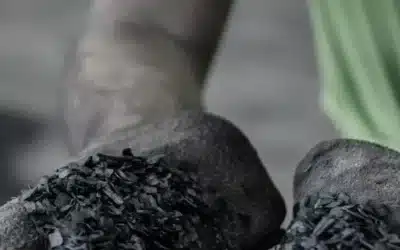
Tellus Conservation, a London company, produces biochar in Ukraine. Biochar is a charcoal-like material made by heating plant waste with little oxygen, and it can store carbon in soil for long periods. It plans a commercial site with two kilns in Rivne Oblast, with profits going to the Nature Fund of Ukraine. That fund pays for 11 national parks over the long term.
The project needs a buyer to commit to about 4,000 carbon credits a year once a feasibility study is complete. Terraset’s purchase is meant to help meet that condition. Meanwhile, Tellus is working with a financier on the project.
A growing portfolio
Terraset is a nonprofit that asks the public for donations. It says it was set up to show that giving can fund climate ideas that struggle to find money elsewhere. It began with carbon removal, which is still a core focus.
In October 2025, Terraset expanded into superpollutants such as methane, refrigerants and nitrous oxide. These gases trap far more heat than carbon dioxide. That move brought in Tradewater, which caps orphaned methane wells and destroys old refrigerants. It also added Recoolit, which works with air-con technicians in Indonesia to collect old refrigerants before they leak.
Its method is to buy early results from project developers before corporate buyers step in. Terraset calls those purchases “an early signal” that helps build demand. The latest round follows the same logic.
Catalytic capital in a thin market
Terraset’s model rests on one central claim. It says each $1 it spends has drawn in as much as $6 of extra direct capital. That figure is Terraset’s own estimate.
Giving remains a small source of climate money. Terraset says climate causes got 2.1 per cent of global charitable giving in 2024. That was a record share, yet still small against the scale of the problem. As a result, groups like Terraset are trying to stretch each grant further.
The approach feeds a wider debate about philanthropy’s catalytic role in scaling removals. For carbon removal start-ups, early credit purchases can supply the proof of demand that lenders and investors ask for. Still, $2m spread across three companies is modest, so the real test is whether follow-on money arrives.
Terraset hasn’t yet named the other recipients from this round. Once it does, the full portfolio should show how far the model stretches beyond these three bets. For now, carbon removal start-ups in its portfolio have a buyer, a backer and a clear next milestone.