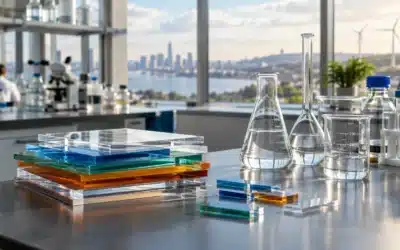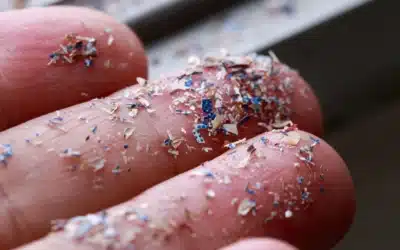
ETH Zurich chemists have patented a one-step process that uses light to graft new polymer chains on to used bags and bottles, producing an adhesive for metal, glass and wood.
Chemists at ETH Zurich have developed a process that upgrades polyethylene and polypropylene into a high-performance glue. The team made its first plastic waste adhesive from standard bags and bottles. Because the method grafts new polymer chains on to the old plastic, it avoids breaking the material down first.
The university says the adhesive’s strength with metal, glass and wood meets requirements for industrial adhesives. Those products hold load-bearing, high-stress joints in vehicle and equipment manufacturing. However, ETH hasn’t published strength figures in its account of the work, and it doesn’t compare the glue directly with commercial products.
Why polyolefins are hard to recycle
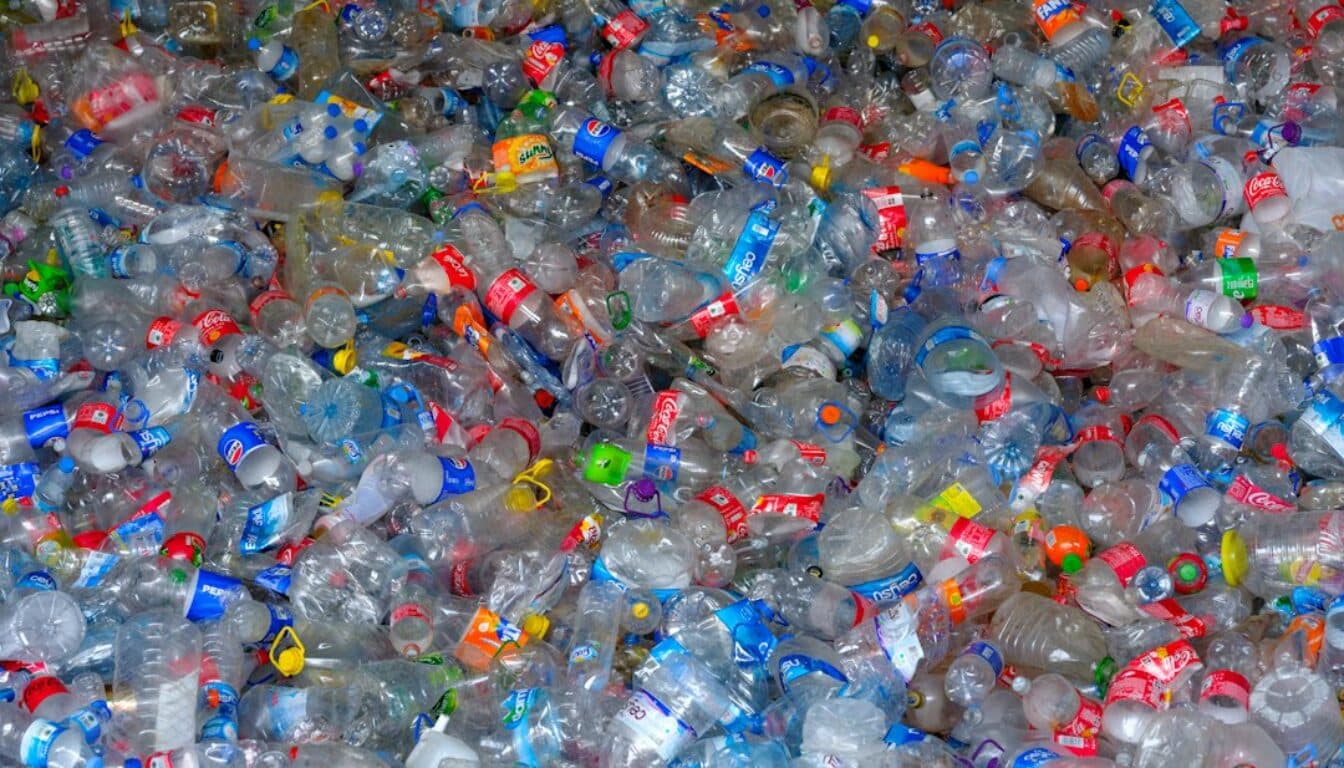
The world produces about 450 million tonnes of plastic a year, and most of it is used once before going to incineration or landfill. Polyolefins, the family that includes polyethylene and polypropylene, make up roughly half of plastic consumption. They mostly end up as packaging and films.
Melt recycling these plastics costs quality. Dyes darken the output and heat degrades it, so the recycled material suits low-grade uses such as plant pots or paving slabs. The only current route back to monomers is pyrolysis, which is energy-intensive and gives a petroleum-based feedstock that manufacturers must rebuild into monomers.
How the grafting works
Tae-Lim Choi, a polymer chemist and ETH professor, leads the team, while senior scientist Hongsik Kim developed the method and made the plastic waste adhesive. They first dissolve the plastic in a chlorinated solvent. They then irradiate the solution with short-wavelength light, which generates highly reactive chlorine radicals.
Those radicals pass their reactivity to carbon atoms along the polyolefin chains. After that, the chemists add monomers for the polymer they want, and new chains grow from the activated sites. The whole sequence takes a single step, with no expensive special reagents or catalysts and no high process temperatures.
Kim said: “We are able to control how many radicals are generated.” The team does that by changing the solvent’s degree of chlorination and the wavelength of the light. That in turn sets the number of grafting sites.
The idea for the chlorinated solvent came from a collaboration with Athina Anastasaki, professor of sustainable polymers at ETH Zurich. Her group used the same principle for acrylic glass recycling. The new work appears in the Journal of the American Chemical Society, with Anastasaki among the authors.
From glue to packaging
The researchers treat the glue as an opening product. Choi said: “The adhesive is a first-generation product. In the future, plastics with entirely new properties will be possible.” Grafting can add polar groups, acids, bases and groups that react in specific ways, so chemists could tune the plastic for different jobs.
Food packaging is one planned use. An industry collaboration is exploring waterproof packaging that blocks oxygen. That would reduce food oxidation in the freezer compared with current polyethylene and polypropylene packs.
In addition, Kim said such materials “could, among other things, bond low-grade recycled plastic”. That could turn poor recyclate into a more durable material, which would give melt recycling a better outlet than plant pots and paving slabs.
The route to industry
ETH Zurich has patented the process, and the patent published about six months ago. The researchers have also made numerous contacts with industry, although the university names no partner companies. The process is also nominated for the Spark Award, which ETH presents on 26 November. Judges assess entries on originality, patentability and market potential.
Several questions remain before a plastic waste adhesive reaches a factory. ETH’s account doesn’t discuss scale-up or the environmental impact of the chlorinated solvents, and both will shape any industrial case. Likewise, the university gives no cost estimate, so it isn’t yet possible to compare the plastic waste adhesive with commercial glues on price.