Researchers at RMIT University have developed a reusable magnetic material that removes more than 95 per cent of microplastics and nanoplastics from wastewater in approximately one hour. The material also captures a range of other contaminants, including per- and polyfluoroalkyl substances, heavy metals, and pharmaceuticals. Published in the Chemical Engineering Journal, the research extends work the team first reported in 2022.
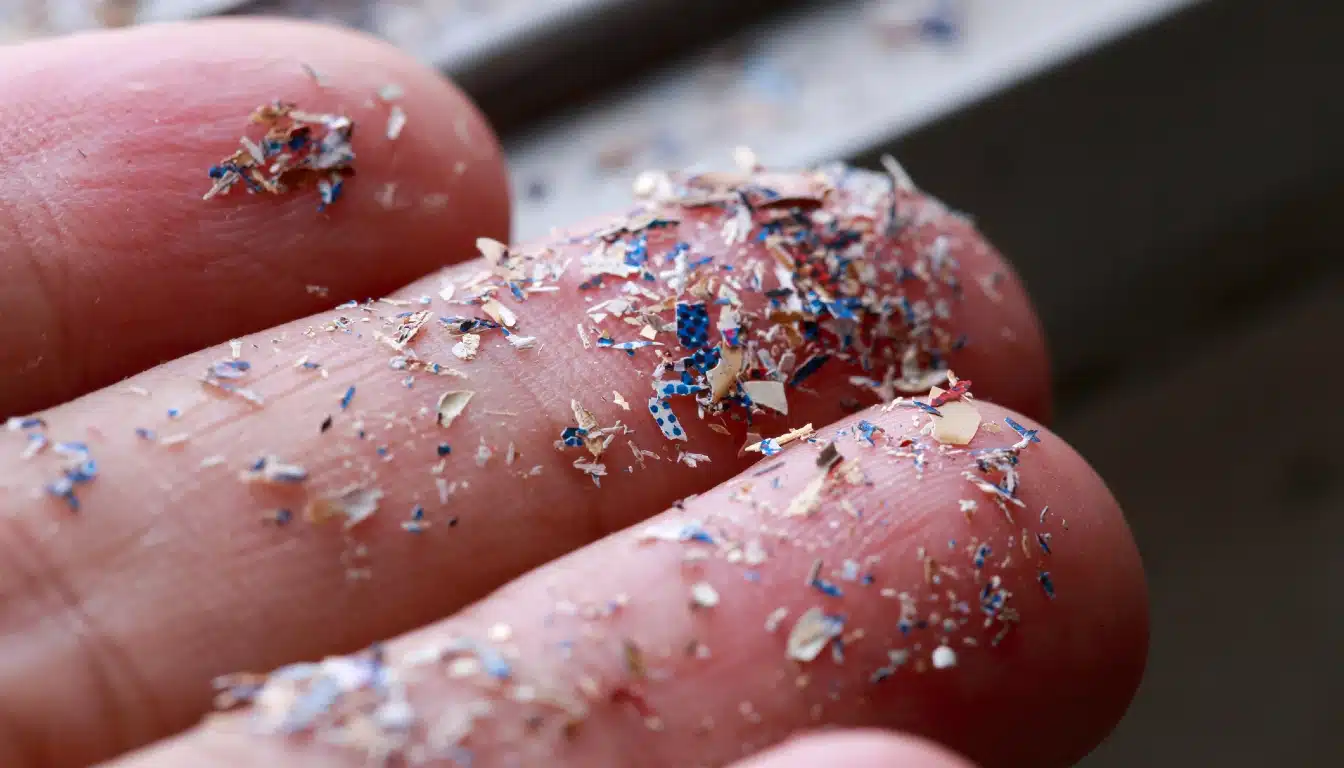
The scale of the microplastics problem is well-documented. Plastic particles now appear in drinking water, food chains, and human bloodstreams globally. Nanoplastics, which measure below one micrometre, have proved particularly difficult to address at scale. No established large-scale removal method currently exists for particles in that size range.
What the Material Does
The adsorbent removed particles as small as 30 nanometres in laboratory testing. That is a size range that conventional filtration systems largely cannot address. Around 80 per cent of contaminants cleared within the first 15 minutes of treatment. That speed matters because most municipal treatment plants operate on tight time cycles.
The material performed across several common plastic types, including polyethylene, polypropylene, and polyester. It remained effective in both fresh and saline water. Beyond plastics, the researchers recorded strong removal rates for mercury, chromium, copper, synthetic dyes, and ibuprofen.
Professor Nicky Eshtiaghi of RMIT described capturing nanoplastics as a critical step forward. “There is still no established large-scale solution for removing them,” she said. First author Dr Muhammad Haris said the material was designed specifically to remove micro- and nanoplastics quickly.
Industrial Testing and Magnetic Recovery
The team tested the technology in industrial laundry wastewater, a significant source of synthetic fibre pollution. The material removed more than 88 per cent of polyester microfibres and dyes, despite the presence of surfactants and organic matter in the water. That is a meaningful result. Laundry effluent is chemically complex, and many treatment approaches degrade in performance under those conditions.
A prototype system, developed with One Eye Industries in Canada, demonstrated that the adsorbent could be magnetically separated from water and recovered rapidly after each use. Magnetic recovery addresses a central barrier to commercial deployment. If a material cannot be efficiently retrieved and reused, operational costs become prohibitive at scale.
The production process has also improved materially. The team now produces the material at room temperature using fewer costly inputs. The researchers say production costs are approximately 75 per cent lower than earlier versions. The material can be reused multiple times.
Commercial Pathways and Regulatory Context
RMIT has entered into early commercial discussions with Fire and Test Australasia, an Indigenous-owned company based in Geelong, Victoria. The partnership targets stormwater and wastewater treatment, including community-scale applications. The researchers are also working with Star Water Group, whose clients include operators in the United States market.
That US focus carries specific logic. American regulators have tightened standards on both microplastics and PFAS in recent years. Demand for advanced treatment options is rising among municipal and industrial operators under pressure to comply with new limits. The combination of high capture performance and low-cost magnetic recovery gives this approach a plausible commercial case in that environment.
The technology also has potential in decentralised systems. Many regions lack access to large-scale treatment infrastructure. A material that works quickly, recovers cleanly, and can be produced at lower cost could serve smaller communities and remote settings where conventional plants are impractical.
Where This Stands
The results published so far come from laboratory and prototype testing. The transition from laboratory performance to full-scale municipal or industrial deployment involves a different set of engineering and regulatory challenges. The researchers have acknowledged that commercial partners are assessing those questions now.
Plastic pollution and persistent chemical contamination increasingly overlap as regulatory and investor concerns. Utilities, textile manufacturers, and industrial water users face mounting pressure to demonstrate credible treatment strategies. A material that addresses microplastics, nanoplastics, heavy metals, and PFAS simultaneously, and does so within treatment timescales that operators can actually use, would have broad applicability across sectors if field-scale performance matches the laboratory data.