Cambridge start-up Neela Biotech has raised £2.1m to turn food, farm and forestry waste into the raw material for jet fuel. It plans to fit its microbes into biogas plants that already exist.
Neela Biotech, a Cambridge start-up working on jet fuel from waste, has raised £2.1m in pre-seed funding. Climate investor Elbow Beach led the round with £1.5m. Ascension, Cambridge Enterprise, Ventures Together and several strategic angel investors also took part.
The money will take the company’s process from the lab to a pilot-scale trial at a biogas plant. Neela expects that stage to take about two years. A successful trial would give it the data it needs to raise a larger round and approach plant operators.
Microbes in a familiar process
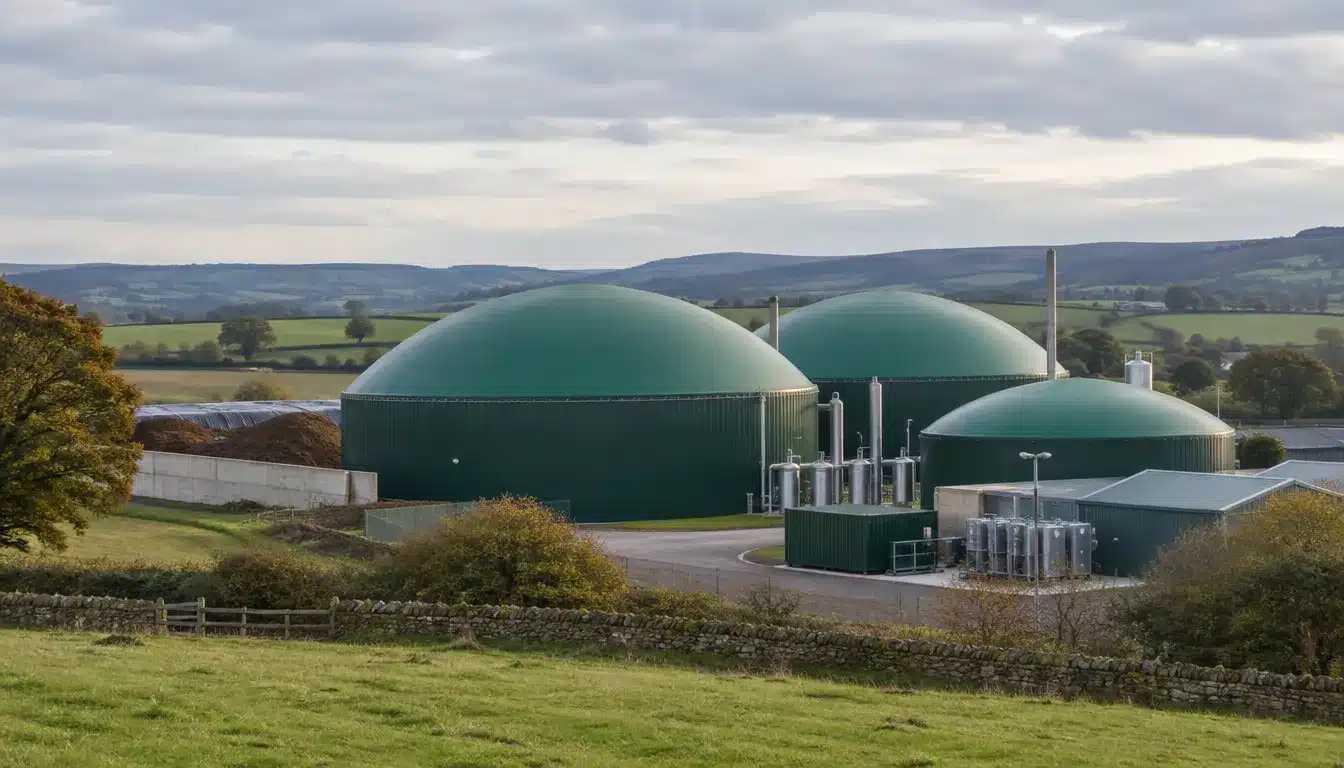
Neela pairs microbes guided by artificial intelligence with anaerobic digestion. That is the process biogas plants already use to break down organic waste. Normally, digesters turn that waste into methane, which plants then burn for heat and power.
Neela wants to steer the process towards fatty acids instead. These can then serve as a feedstock for jet fuel. HEFA itself stands for hydroprocessed esters and fatty acids, so refiners already know how to handle such molecules. Neela plans to test food, farm and forestry waste as inputs.
The start-up plans to install its system at existing biogas sites, which keeps building costs down. It also says its process uses less energy than the thermochemical routes common in sustainable aviation fuel production.
A shortage of waste oils
Most sustainable aviation fuel today comes from waste oils and fats, through a route known as HEFA. However, the world has only so much used cooking oil and animal fat, while airlines burn vast amounts of fuel.
Deepanshu Singh, chief executive and co-founder of Neela Biotech, said global demand for jet fuel far outstrips the supply of these oils. In his words, “there is simply nowhere near enough waste oil and fat to meet this demand”.
That gap has pushed investors towards other feedstocks. For instance, the Oxford spin-out OXCCU has raised money to scale sustainable jet fuel made from carbon dioxide and hydrogen. Neela, by contrast, is betting on organic waste that already flows into digesters.
Building on existing plants
Jonathan Pollock, chief executive of Elbow Beach, said the approach “builds on infrastructure that already exists across Europe”. He added that Elbow Beach chose to lead the round with a plan to back the company “from pre-seed through to pilot”.
Biogas plants are already common on farms and at waste sites. They can turn farm waste into fuel and support local energy supply. If Neela can add jet fuel feedstock to their output, it would give operators a new product to sell.
Singh and co-founder Friederike Nintzel set up the company in April 2025. Cambridge Enterprise, one of the investors, is the commercialisation arm of the University of Cambridge. Its backing links the start-up to the city’s wider research base.
Early days for the technology
Neela has not yet run a pilot. It has also not published a cost per tonne for the fatty acids its process would make. As a result, its economics remain unproven.
Still, the policy backdrop gives the company a clear market. The UK requires sustainable aviation fuel to make up 2 per cent of jet fuel in 2025. That share rises to 10 per cent in 2030 and 22 per cent in 2040. Airlines will need far more supply to meet those targets.
A two-year pilot is a long road for a pre-seed company. Many biofuel start-ups have struggled to move from lab results to steady output. Reusing existing digesters is partly an answer to that risk, since it avoids the cost of a new refinery for making jet fuel from waste.
The pilot will show whether jet fuel from waste can work at a useful scale. If it does, Neela could turn ordinary biogas plants into a new source of aviation fuel feedstock.