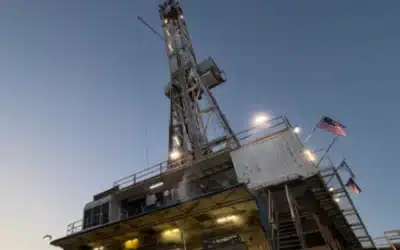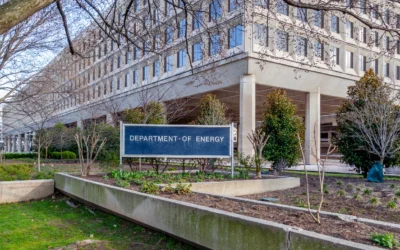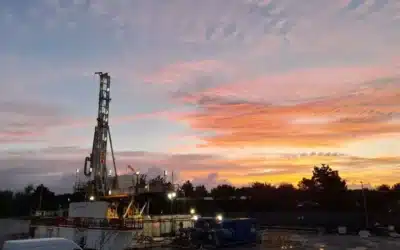
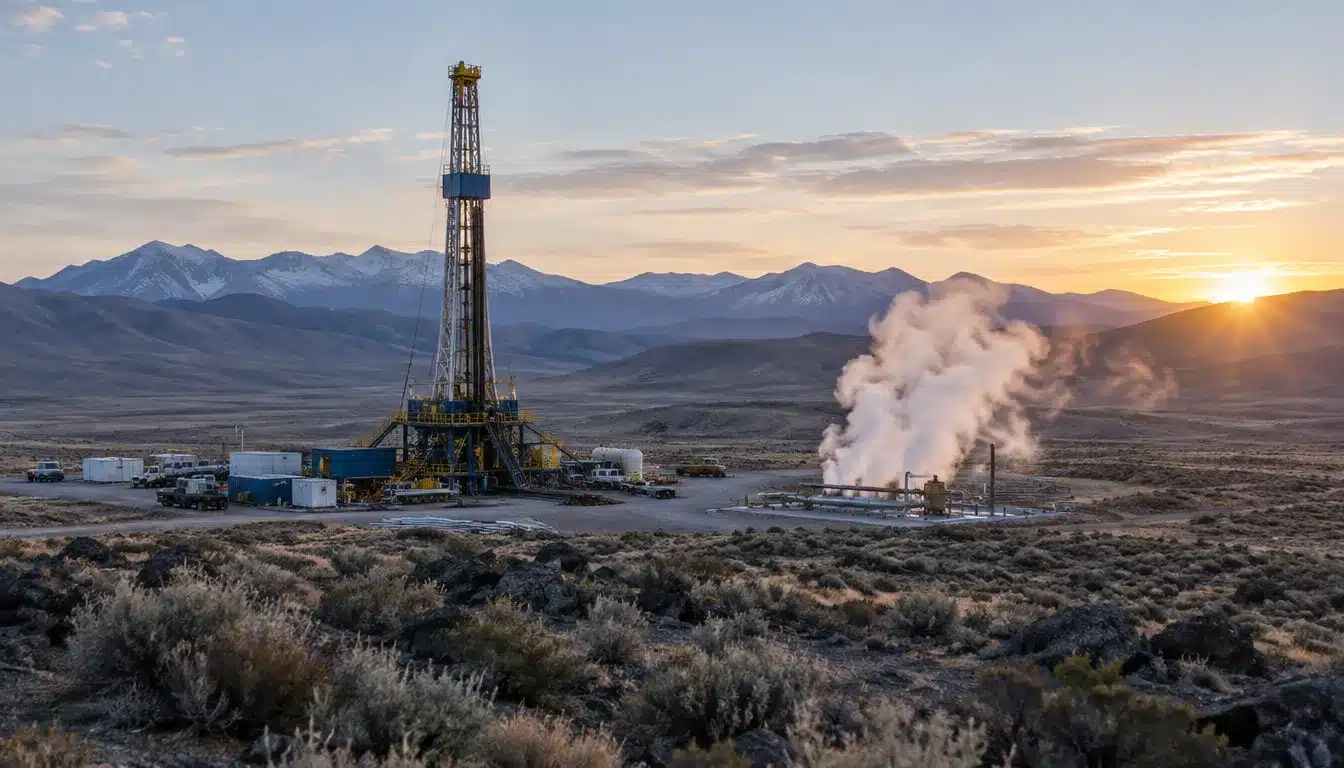
The US Department of Energy has selected 21 geothermal projects for more than $99m, backing five enhanced geothermal field tests and 16 exploration wells to find new resources.
The US Department of Energy (DOE) announced on 21 September that it will put more than $99m into 21 geothermal projects. The money will pay for field-scale tests of next-generation technology and for exploration drilling. Together, the geothermal projects are meant to confirm promising underground heat resources across the country.
Five of the projects will run field-scale tests of enhanced geothermal systems (EGS). The other 16 will drill exploration wells to find and define new resources. By sharing the risk of early work, DOE hopes to cut technical and development uncertainty for later commercial projects.
Fervo among the winners
Fervo Energy won two of the awards, including an EGS demonstration in Idaho and exploration drilling in Nevada. Quaise Energy, Zanskar Geothermal, XGS Energy and Invenergy were also among those selected. The mix spans venture-backed start-ups and one of the largest private US power developers.
The names reflect how far next-generation geothermal has moved into the commercial mainstream. Fervo is building large projects in Utah and has signed power deals with tech companies. Quaise is developing drilling methods to reach much hotter rock at greater depths.
How enhanced geothermal works
Conventional geothermal plants need hot rock, natural fractures and underground water in the same place. That combination is rare, so the technology has largely been confined to a few regions. EGS widens the map.
Developers drill into hot, dry rock and pump in fluid to open or create fractures. Water then circulates through the rock, heats up and returns to the surface to drive turbines. Much of the technique borrows from oil and gas drilling, which has cut costs and sped up wells. Horizontal drilling and fibre-optic monitoring, both common in shale fields, are now standard tools for EGS developers.
Because it runs around the clock, geothermal power can balance wind and solar. Plants also take up little land for the energy they produce. That has made it attractive to data centre developers and utilities facing fast demand growth.
Data for the whole industry
DOE will publish data from the funded work through its Geothermal Data Repository. Companies, researchers and others will be able to use results from both the field tests and the exploration wells. As a result, the benefit should reach beyond the individual sites.
Exploration is one of the costliest and riskiest parts of geothermal development. A dry or disappointing well can sink a project before it reaches financing. Banks rarely lend until developers have proved the resource, so early wells usually rely on expensive equity. So public money at this stage can have an outsized effect on how many projects go ahead.
Kyle Haustveit, DOE’s Under Secretary of Energy, framed the awards as part of the administration’s energy agenda. “These projects will empower American innovators to unlock the tremendous geothermal resources beneath our feet,” he said.
Bipartisan appeal
Geothermal has kept support under the Trump administration while other clean power sources have lost federal backing. The department presents it as reliable domestic power that strengthens US energy independence. Even so, geothermal still supplies well under 1% of US electricity.
DOE’s Enhanced Geothermal Shot, launched in 2022, set a goal of cutting EGS costs by 90% by 2035. Awards like these are one of the main levers for reaching it. Meanwhile, the industry has attracted strong private investment this year, including Mazama Energy’s $135m raise for super-hot-rock drilling.
The new awards will mainly test whether EGS can repeat its early results in new types of geology and new states. Several companies are already running their own trials, such as a long-duration test in Utah. If the DOE-backed geothermal projects deliver, they could widen the areas where developers and lenders are willing to drill.