The Oregon developer has closed a $135m Series B led by Centaurus Capital and Doerr Capital, with ConocoPhillips and Shell Ventures joining a race to drill hotter and deeper.
Mazama Energy has raised $135m in its Series B round. The geothermal developer announced the round on 17 September, saying it was oversubscribed. So the money will fund flat-lying wells in super-hot-rock geothermal, each built to make 15MW.
Centaurus Capital and Doerr Capital led the round. ConocoPhillips and Shell Ventures took part, so two oil majors now sit on the register. Khosla Ventures and Gates Frontier came back as existing backers.
New names also joined the round. They include SiteGround Capital, H. Barton Asset Management and the Jeffrey and Marieke Rothschild Foundation. Mazama was incubated at Khosla Ventures, which has backed it from the start.
A sharp upgrade for the Oregon site
Mazama now expects its first site in Oregon to support 10GW of power. That is double the 5GW figure Vinod Khosla gave for the site last year. The firm plans to start making power next year. By 2030 it expects the first phase to reach 200MW.
Work in Oregon is still early. Even so, Mazama has already secured land for a second site. A revised estimate on that scale will draw scrutiny, and the drilling data behind it has not been published.
Deeper wells, hotter rock
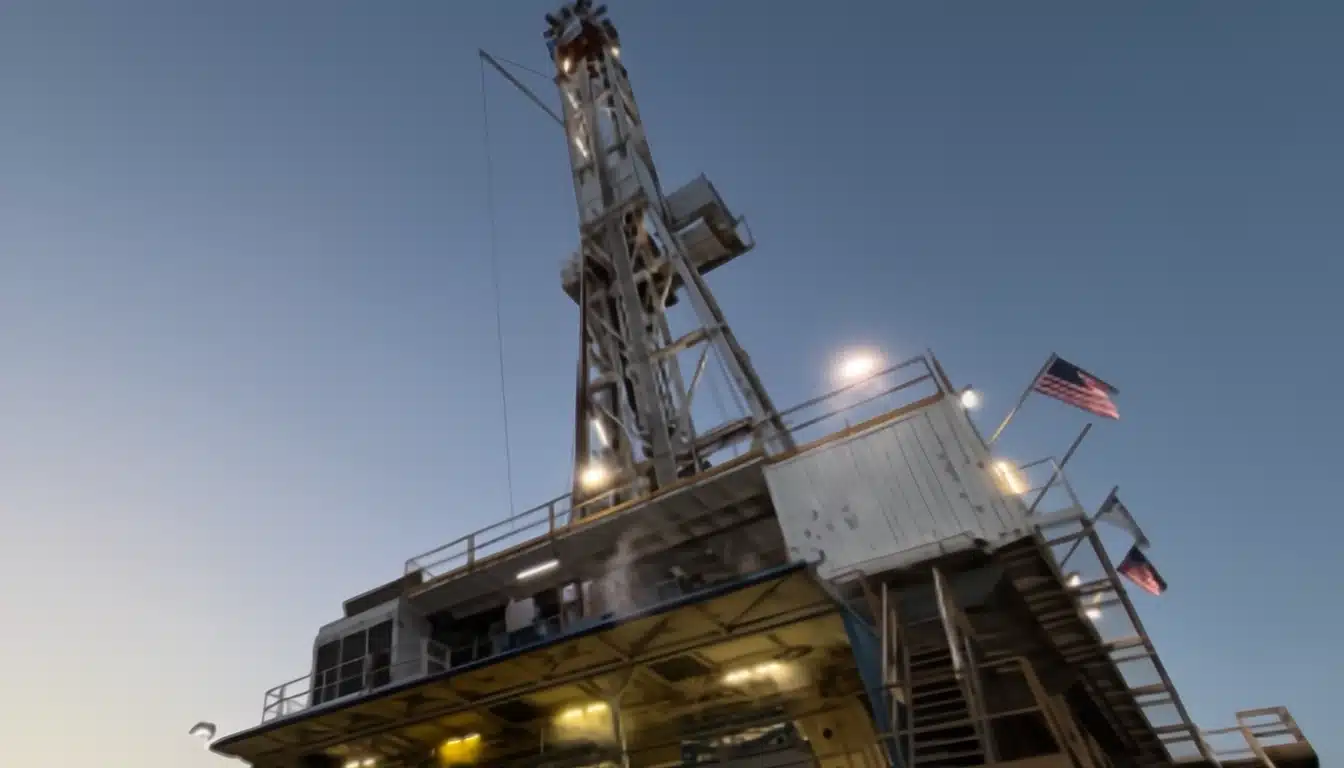
Older geothermal plants tap shallow heat in a few volcanic regions. Super-hot-rock geothermal goes deeper and hotter, which opens far more of the map. Mazama drilled past 10,000 feet in 15 days on its way to roughly 15,000 feet.
Once past that depth, the rock reaches 750F, or 400C. Water held at high pressure turns supercritical there, so it acts as neither a full liquid nor a full gas. In that state it soaks up far more energy than steam. Mazama says each well can therefore make up to ten times the power of an older design.
Why investors are circling
The prize, meanwhile, is large. Tapping 1 per cent of the world’s super-hot rock could yield more than 63TW of power. That figure comes from the University of Twente and the Clean Air Task Force.
Geothermal has one advantage over wind and solar. It runs around the clock without storage, which suits buyers who need firm supply. Grid planners call that a capacity resource. For an operator signing a twenty-year contract, the difference is worth paying for.
Data centres drive much of the interest. Tech firms have leaned on gas turbines while they wait for firm clean power. Meanwhile drillers have moved fast on technique borrowed from shale. So super-hot-rock geothermal has become a late entrant in the race to serve AI loads.
Oil money moves in
The presence of ConocoPhillips and Shell Ventures is the detail worth watching. Deep drilling is a skill the oil industry already has, and this sector needs it. Neither firm is buying a stake in a power plant here. Both are buying a look at a drilling business.
Yet that logic cuts the other way too. Deep geothermal has struggled to raise the capital a first commercial plant needs. Balance sheets of this size change what banks will fund.
From one well to a fleet
Delivery is therefore the test now. Mazama has to move from a test well to a working plant, then repeat it many times over. Drilling costs fall with repetition, which is how shale became cheap. Geothermal needs the same curve.
Rivals face the same step, and several are further along. Fervo, for one, has signed a 400MW supply deal with Google in Utah. So money is no longer the binding constraint on this sector. Execution is.
The next eighteen months should settle the argument. Mazama has said it will make power in 2027, which is a date rivals can measure it against. A working well in Oregon would be worth more than any forecast.