The Mexican cleantech company cooks wet food and garden waste in water at 200°C instead of drying it first, and it now plans a plant ten times the size of its pilot.
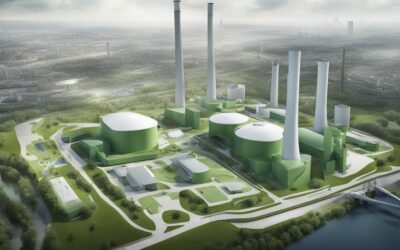
G2E, a Mexican cleantech company, turns wet organic waste from cities into hydrochar fertiliser without drying it first. It showed the process in the Mexican Pavilion at COP31, where hydrochar was still new to many carbon removal experts. Next, it wants to build a plant that would take 800 tonnes of organic waste a day.
Cooking waste in water
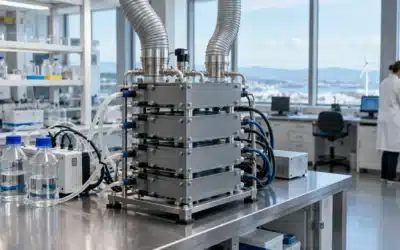
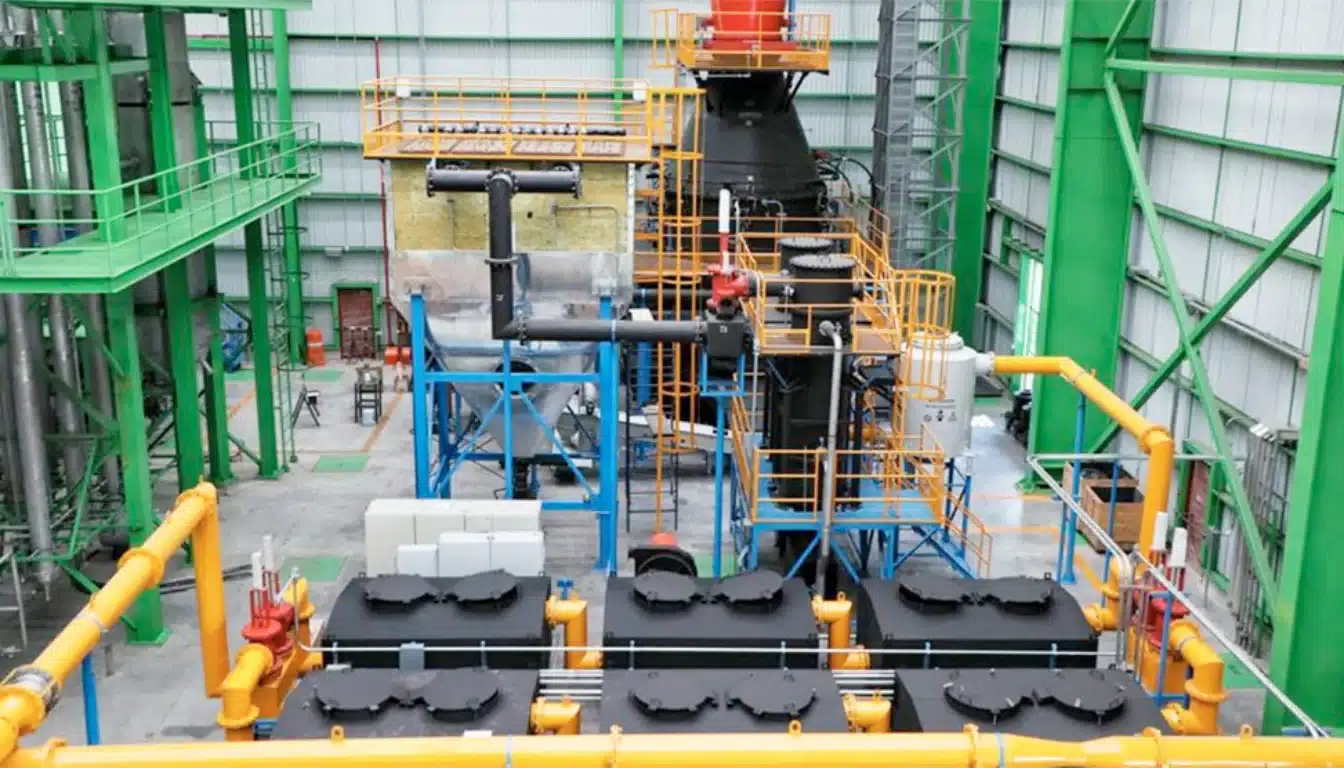
The process is called hydrothermal carbonisation. G2E puts wet biomass in water and heats it to 200°C. In about six to eight hours, the waste becomes a solid hydrochar fertiliser rich in nutrients.
Hydrothermal carbonisation isn’t new as chemistry. Researchers have studied it for decades as a way to treat wet feedstocks such as sewage sludge, manure and food waste. Because water boils at 100°C at normal pressure, the reaction runs in a sealed, pressurised vessel that keeps the water liquid. That heat and pressure break the biomass down into a solid char and a nutrient-rich liquid.
Daniel Camarena Elizondo is the company’s founder and director general. “So we receive the waste from the city, and 8 hours later it’s already fertilizer,” he said.
By contrast, biochar takes more energy to make. Producers must dry the biomass and then heat it to about 600°C. Biochar is the basis of a growing number of carbon removal ventures, but food and garden waste is costly to dry. So skipping that step is the main gain G2E claims for its method.
From pilot to a larger plant
Mexico City alone produces about 12,000 tonnes of organic waste a day. In landfill, that waste rots and gives off methane, a potent greenhouse gas. Turning it into fertiliser keeps it out of landfill and puts its nutrients back to use. Even G2E’s planned plant would handle only about one-fifteenth of the city’s daily total.
G2E has finished a pilot plant, paid for with Mexican government finance and support from banking partners. The second phase is a plant ten times larger that would take 800 tonnes of organic waste a day. However, the company hasn’t given a site or a completion date.
کاربن کریڈٹس
Today, G2E earns credits for avoided emissions, because its process keeps methane-producing waste out of landfill. It also wants to earn permanent carbon removal credits from the carbon locked in its hydrochar fertiliser. That needs a certification method, which is still in development.
To build one, G2E is working with universities and research institutes on the science and on ways to certify the results. So far, it hasn’t named a registry. Camarena Elizondo said the company plans to share what it learns. “If we really want to make an impact, we cannot hold the technology for ourselves,” he said.
Teaching through virtual reality
G2E is also using film to explain its work. It teamed up with Carlos D. García, founder of the studio Lummoar, on a virtual reality film. The film tells a story through the plant and the waste chain, using Apple’s spatial video format and surround sound.
High-end headsets cost about $5,000, so the team also built a cheaper version. A phone app works with $2 cardboard visors. Schools and universities in Mexico use it to turn waste sorting into a game for pupils and students.
اسکیلنگ
G2E is about seven years old. Its case rests on two claims: the process saves energy by skipping drying, and it keeps food waste out of landfill. In addition, the output becomes fertiliser.
Two steps will show how far the idea can go. The first is getting the 800-tonne plant built. The second is a carbon removal method that buyers and registries accept, because that would give the company a second kind of credit to sell. Until then, its carbon income comes from avoidance credits alone.