
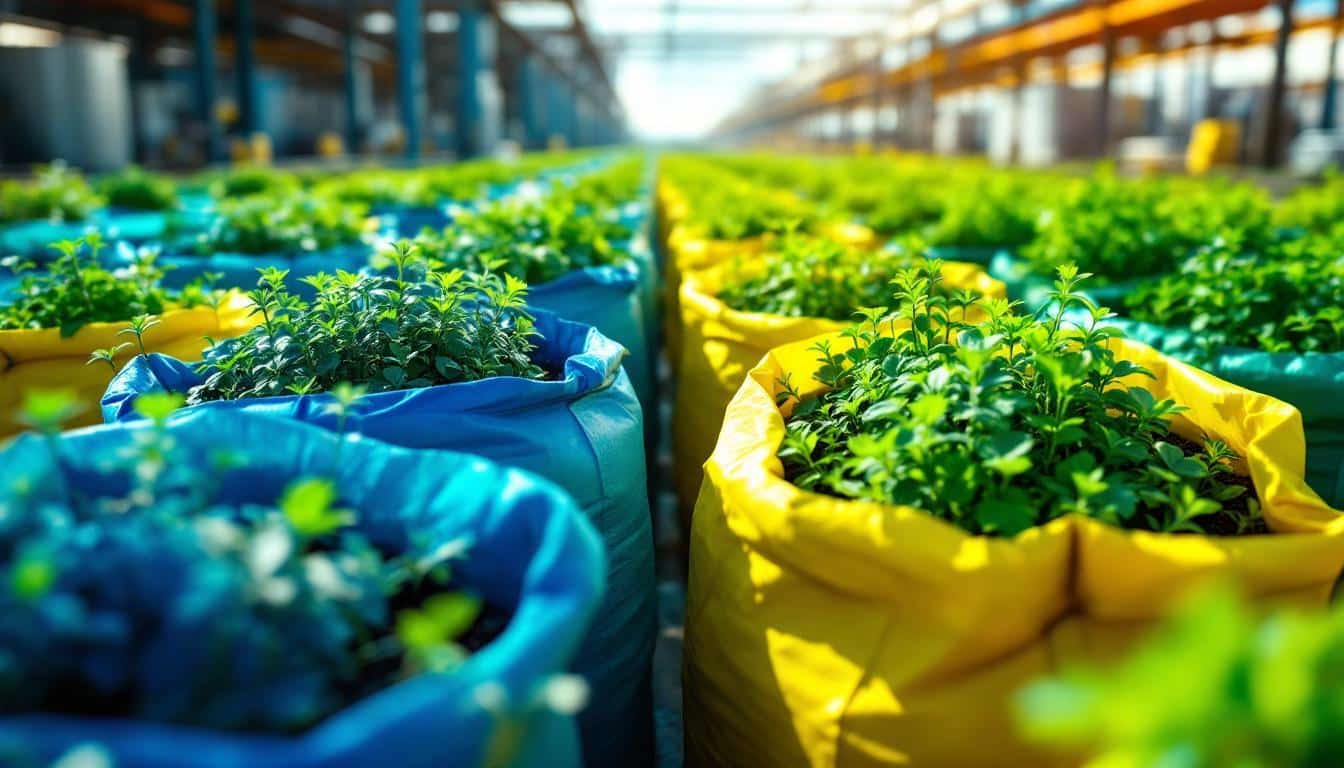
Japanese drinks group Suntory has unveiled a horticultural growing medium made from its own manufacturing residues, positioning the product as a lower-impact substitute for peat moss. The material, branded Teamoss, is produced by Suntory Holdings and Suntory Flowers using by-products from beverage and food production, with spent green tea leaves as the primary ingredient and wood chips among the supplementary materials.
Peat moss has long been valued in horticulture for its capacity to retain water and nutrients. Its extraction, however, draws increasing concern. Peatlands store vast quantities of carbon accumulated over millennia, and disturbing them releases that carbon back into the atmosphere while degrading the wetland ecosystems that support biodiversity. Regulatory pressure, particularly in Europe, has intensified in response. The UK, for instance, has been moving toward restrictions on peat use in amateur horticulture, with a broader phase-out under discussion.
Against that backdrop, the commercial logic for alternatives is strengthening. Suntory says its process is patented and produces a medium with performance close to conventional peat-based products. The company conducted pilot trials with flower and vegetable seedlings and found that plants grown in Teamoss performed as well as, and in some cases better than, those raised in peat moss. Those claims have not been independently verified, and the trials appear to have been conducted by the company itself rather than through a peer-reviewed process.
Daigo Suginobu, president of Suntory Flowers, said the company would continue developing new technologies to help address environmental problems and support sustainability. The company frames Teamoss as part of a broader commitment to circular economy principles. Suntory says it already recycles all of its manufacturing residues into secondary uses including animal feed and fertiliser, and sees Teamoss as an extension of that existing approach rather than a departure from it.
The circular economy angle matters here. Rather than sourcing raw materials from ecologically sensitive sites, Suntory is drawing on waste streams already embedded in its supply chain. The company argues this could also generate cost advantages through domestic sourcing within Japan, reducing dependence on imported peat and the supply chain volatility that comes with it. That argument will carry particular weight in markets where peat imports face growing logistical and regulatory friction.
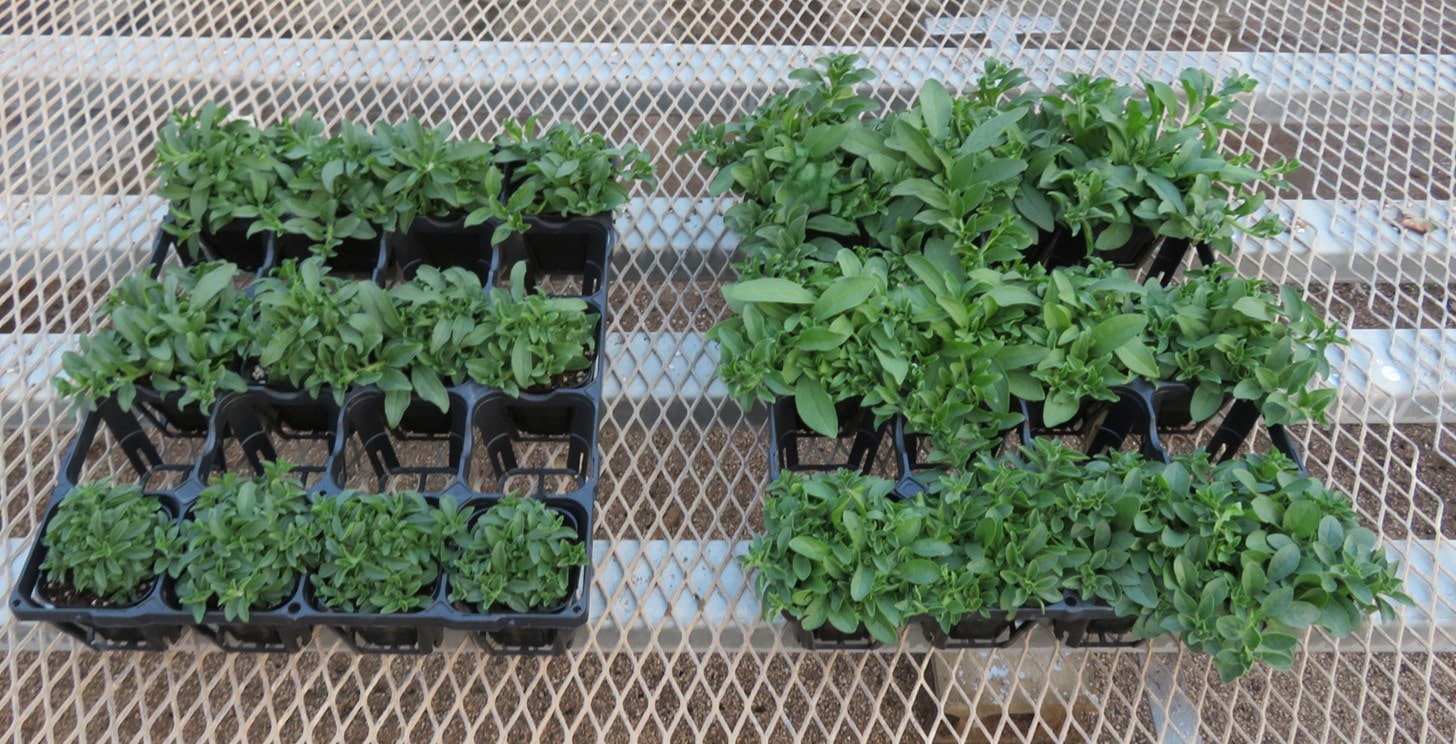
Surfinia seedlings grown with conventional peat moss on the left and Surfinia seedlings grown with Teamoss on the right.
Commercial production in Japan is planned for 2027. Suntory Flowers intends to scale up manufacturing and broaden cultivation trials in the period leading up to that date. The company is also examining whether residues from other parts of its operations could be incorporated into future iterations of the material. It has indicated it is considering potential overseas expansion, including into European markets, if demand develops sufficiently.
Europe represents a meaningful strategic opportunity. Several countries have already tightened restrictions on peat extraction, and the horticulture sector faces genuine pressure to identify scalable alternatives. Materials derived from food and beverage waste streams, if they can match peat’s functional properties at competitive cost, could find receptive buyers among commercial growers seeking to manage both their environmental footprint and their regulatory exposure.
There are, however, genuine questions about scalability. Teamoss currently relies on green tea residues and wood chips generated within Suntory’s own operations. Whether the supply of those materials could grow sufficiently to serve a broader market, beyond what Suntory’s manufacturing base produces, remains unclear from the company’s current disclosures. Any overseas production would presumably require either exporting the raw materials or identifying equivalent local waste streams.
The broader context is one of growing commercial activity around peat alternatives. Coir, derived from coconut husks, has established a significant presence, and various composted materials are in use across commercial horticulture. Teamoss enters a competitive space, though the use of food and beverage processing residues as a primary feedstock represents a distinct approach.
Suntory has not yet published detailed technical specifications or independent trial data. The 2027 commercialisation target gives the company time to build that evidence base. For investors and buyers in the horticulture sector, the material is worth monitoring, though substantive evaluation will depend on data that has yet to be made publicly available.