The Chinese maker says its new cell will run for 20,000 cycles and its 4MWh system for 30 years, and that both can be built on the lithium-ion lines it already runs.
Hithium has launched two sodium-ion products. The N785Ah cell targets 20,000 cycles and durations of two to eight hours. Its companion system, the N4.0MWh, is built around that cell and carries a claimed 30-year life.
Cycle life is the number that changes the argument here. Early sodium cells traded energy density for cost and safety. A 20,000-cycle sodium-ion cell instead competes on throughput over decades, which is what grid buyers actually pay for.
Built on existing lithium lines
The cell fits Hithium’s existing 1,000Ah lithium-ion lines. That is important for speed. New chemistries usually wait years for their own plants, so reusing tooling shortens the path to volume.
Sodium also sits outside the lithium supply chain. The raw materials are common and spread widely, so price spikes in lithium do not follow through. For a utility buyer, that is a hedge as much as a technology choice.
Hithium’s 1,000Ah lithium line is the strategic asset here. A rival starting from scratch needs a new factory and a new qualification cycle. Reusing a line compresses both, although it also limits how far the cell design can stray from lithium formats.
The chemistry behind the claim
Hithium built a sodium iron phosphate pyrophosphate cathode with 97 per cent phase purity and better conductivity. On the anode side, engineers made hard carbon that moves sodium quickly and stores plenty of it. The electrolyte uses thin, low-viscosity solvents to help ions travel.
A dense layer then forms on the anode surface. That film holds back breakdown and gas, which is how the cell is meant to survive 20,000 cycles. Structural parts had to tolerate swelling across the same span, so Hithium used thick electrode coatings and large-format stacking.
System design
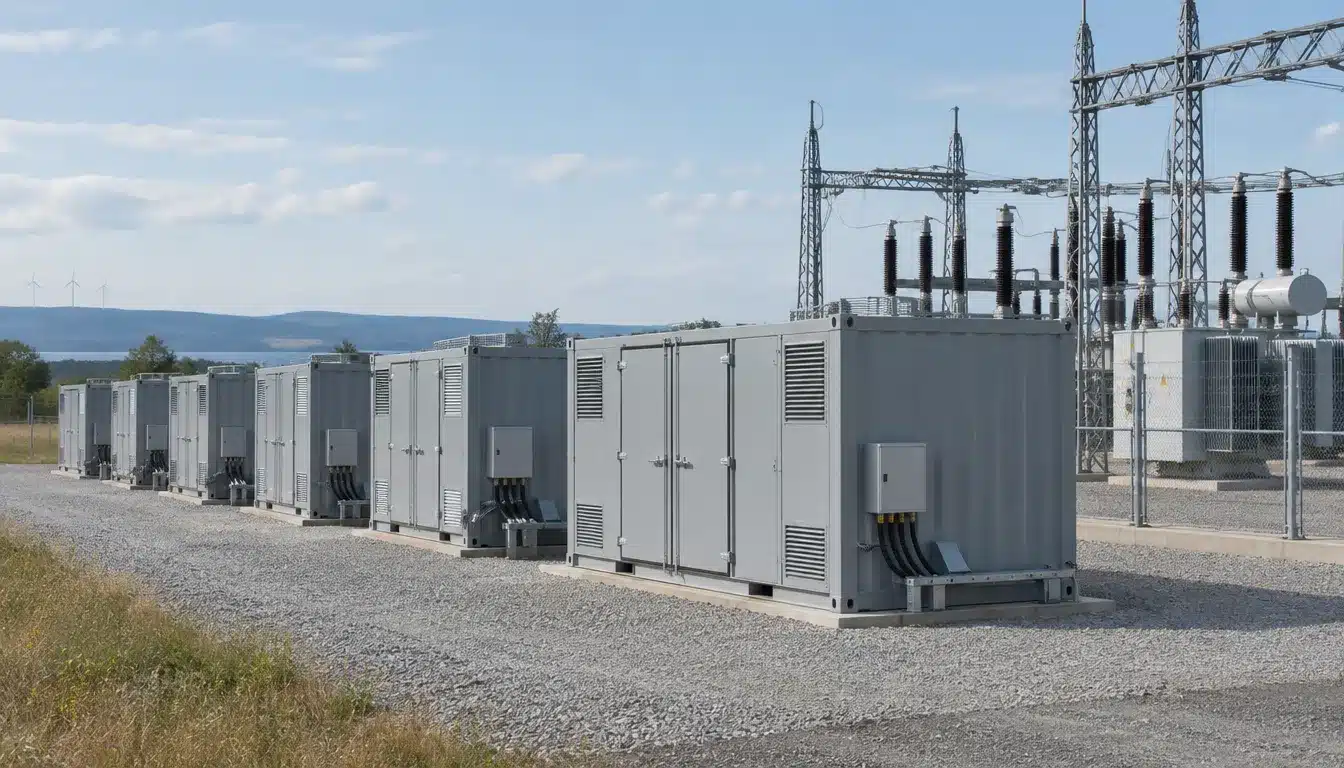
The N4.0MWh uses a sodium-specific design with its own battery management system. Hithium says that system reads state of charge to within 2.5 per cent. The unit works with power conversion gear from 800V to 1500V.
Eight-hour duration is the other number worth noting. Most grid batteries sold today run for two to four hours. A cell rated to eight hours points at daily shifting, which is a different market with different buyers.
State of charge is harder to read in sodium cells than in lithium iron phosphate ones. The voltage curve is flatter, so small errors compound. A 2.5 per cent figure, if it holds in the field, removes one of the practical objections buyers have raised.
The field is filling up
Hithium claims it was first to sell utility-scale sodium-ion cells, with the N162Ah launched in December 2024. Since then CATL, BYD, HiNa and Envision have all announced sodium-ion products. So a niche has become a crowded segment in under two years.
Competition on that scale usually drags prices down quickly. Sodium cells still cost more per kilowatt-hour than lithium iron phosphate in most tenders. Volume is what closes that gap, and volume is exactly what shared lithium lines are meant to deliver.
Claims that need proving
Cycle-life numbers are easy to make and slow to disprove. Twenty thousand cycles at one cycle a day is more than fifty years of use. No field data runs anywhere near that long, so the figure rests on lab ageing and modelling.
Buyers will want warranty terms and third-party testing before they commit. Storage investment is running at record levels, so the incentive to make a bold claim stick is large. The useful test will come from the first operators to publish real degradation curves. Those will take several years to arrive, and utilities will buy long before they land.