OPINION: by Alexandra Coleman, Azraq, and Jaap Bastiaansen, Nexus Climate
Across the globe, data centers have transitioned from niche infrastructure to strategic pillars of the digital economy. Fueled by cloud computing, streaming media, connected services, and the explosive growth of AI workloads, demand for compute capacity is surging — and nowhere is this acceleration more visible than in the Middle East.
Countries like the United Arab Emirates and Saudi Arabia are investing heavily in digital infrastructure, positioning themselves as major hubs for data center capacity. Sovereign digital agendas, cloud adoption, and regional tech growth are driving an unprecedented wave of investment and construction. But this digital gold rush comes with a new set of complexities — not just technical ones, but environmental, financial, and strategic challenges that the industry, regulators, and society are still coming to grips with.
Energy and Infrastructure: The Hidden Bottleneck
At the heart of the data center challenge is energy — both its scale and its supply dynamics. Data centers already consume a significant share of electricity in major markets, and forecasts suggest demand will continue to rise sharply. This places pressure on local power grids, thermal infrastructure, and utility planning.
In many regions, grid upgrades and transmission expansion cannot keep pace with the speed of data center deployment. Some operators are finding that connecting to power networks — and securing long-term capacity — takes longer than building the facility itself. This creates uncertainty for anyone financing or planning these projects, and it raises the stakes on how energy strategy is woven into decision-making.
From an investor and operator perspective, this has profound implications:
- Project delivery timelines become unpredictable when grid access is delayed.
- Cost structures change as developers must hedge against energy price volatility or invest in alternative power solutions.
- Climate and sustainability commitments become harder to meet if energy must default to fossil-based sources during peak periods.
Beyond Energy: Water, Land, and Environmental Footprint
Energy consumption is only one part of the story. Data centers also place pressure on other critical environmental resources:
- Water use for cooling systems — especially in high-temperature climates — can compound stress on local supplies.
- Land impacts arise from large campuses or distributed edge facilities, leading to questions about land use planning and habitat disruption.
- Hardware lifecycles create material and e-waste challenges when infrastructure is upgraded frequently to support new generations of equipment.
These environmental dimensions are increasingly becoming material considerations for developers, investors, and policymakers alike. Projects that fail to anticipate water constraints or community concerns can face permitting delays, higher mitigation costs, or reputational setbacks.
Market Dynamics: Competition, Regulation, and Risk
The data center sector may be booming, but its growth is not without friction. Several market dynamics are reshaping how the industry operates:
Grid Saturation and Demand Forecasting
As utilities grapple with balancing capacity and speculative project pipelines, they’re pushing back against forecasts built on anticipated demand that lacks binding contracts. This has resulted in more rigorous scrutiny of proposed sites and pushback on speculative expansion plans.
Cooling and Thermal Pressures
With AI and high-density computing becoming mainstream, traditional air-based cooling systems are often insufficient. Operators are exploring advanced cooling technologies, but these systems come with their own environmental and cost trade-offs.
Resource Competition
Electricity, water, and land are all subject to increasing competition from electrification of transportation, industrial demand, and public needs. Data centers must be planned with an eye toward broader resource priorities rather than in isolation.
Capital Intensity and Complexity
Building modern data centers is costly – often requiring hundreds of millions in capital. Financing structures are becoming more complex, blending debt, equity, and strategic partnerships that must navigate changing risk profiles and regulatory expectations.
The Buy-Side Perspective: Resilience, Returns, Responsibility
For institutional investors, infrastructure funds, and sovereign investment vehicles viewing data centers as core assets, the landscape presents a delicate balancing act:
- Stable revenue vs. climate risk: Long-term leases can offer predictable returns, but climate-related infrastructure constraints introduce new uncertainty.
- Growth vs. sustainability: Many investors now operate under ESG mandates that require explicit alignment with climate goals.
- Concentration risk: As demand clusters around specific technologies and geographies (e.g., AI hubs), diversification becomes more complex.
Making sense of these trade-offs requires multi-dimensional insight – not only into financial returns but also into how environmental, regulatory, and infrastructure constraints affect risk over time.
The Sell-Side Perspective: Delivery, Compliance, Differentiation
Developers, lenders, and technical service providers confront a different set of strategic pressures:
- Ensuring bankable projects: Lenders and equity partners look for credible risk assessments that go beyond demand curves to include resilience under stress.
- Regulatory complexity: Developers must navigate environmental disclosure rules, water and energy permits, and evolving local planning requirements.
- Market differentiation: As players proliferate, those who can articulate strong sustainability credentials and transparent risk profiles gain competitive advantage.
In this setting, the ability to present a project that convincingly blends environmental accountability with financial viability is no longer optional — it’s central to securing funding and community support.
Towards a Better Decision Framework
The data center boom shows no signs of slowing, yet the economic and climate stakes have never been higher. The industry has entered a phase where simple supply growth must give way to informed, resilient, and sustainable expansion.
This is a moment for the sector to adopt richer decision frameworks — ones that integrate climate impact, infrastructure constraints, financial risk, and regulatory foresight into the earliest stages of planning and investment.
Platforms that provide multidimensional risk analysis help fill a critical gap between engineering blueprints and financial models. They allow stakeholders on both the buy-side and sell-side to see beyond immediate demand drivers and understand the broader context of risk and sustainability.
Building for the Future, Not Just Today
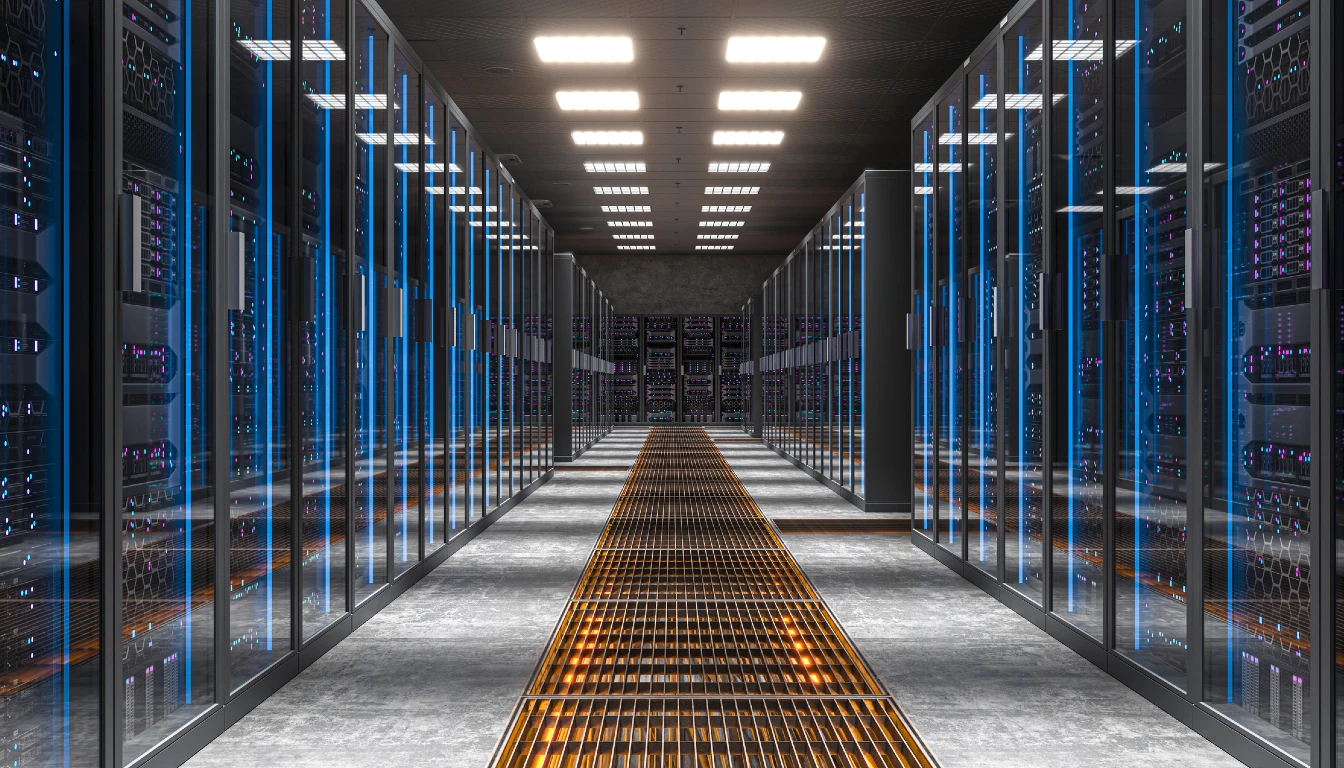
Data centers are more than buildings full of servers — they are strategic infrastructure shaping the digital economy. Their growth influences energy systems, climate outcomes, capital flows, and local communities.
Successfully navigating this era of expansion requires a shift in mindset. Buyers must evaluate not just demand and revenue, but long-term resilience and sustainability. Sellers must design and finance projects that can withstand regulatory, environmental, and operational pressures.
The industry is at a crossroads: the choices made today — about where, how, and under what assumptions data centers are built — will reverberate through climate goals, investment portfolios, and public trust for decades. It’s not enough to keep pace with demand. The next generation of data center development must be thoughtful, measured, and informed by a comprehensive understanding of risk and impact.