
Climate policy this week pulled in two directions. Regulators in the US and Europe moved to loosen disclosure and competitiveness rules, while new analysis exposed the physical and financial bottlenecks slowing the energy transition on the ground.
EU Carbon Reform Meets Eastern Industrial Resistance
Six European Union governments have challenged Commission plans to reduce free carbon permits for industry. A document seen by Reuters shows that Bulgaria, the Czech Republic, Greece, Poland, Romania and Slovakia want allocations frozen at last year’s levels.
The governments argue that higher energy costs threaten competitiveness. They link the demand to the energy price impact of the Iran war. The Commission’s proposal would still cut industry’s carbon costs, lowering them by €4 billion by the end of the decade through a slower wind-down of free allowances.
The timing matters. Industry ministers were due to discuss the paper this week, with a final version of the rules expected by the end of June. A longer-term revision of the emissions trading system follows in mid-July, aligning it with the bloc’s 2040 climate target.
Washington Retreats From Mandatory Corporate Climate Reporting
The US Securities and Exchange Commission has formally proposed rescinding its corporate climate disclosure rules in full. The proposal, issued on 29 May, would remove in their entirety the rules adopted in March 2024.
Those rules established the first US requirements for public companies to disclose climate risks, mitigation plans, the financial impact of severe weather, and in some cases greenhouse gas emissions. Chairman Paul Atkins said disclosure obligations should be guided by materiality and imposed only when benefits justify the costs.
The agency argues the 2024 rules exceeded its statutory authority. The proposal also solicits comment on alternatives short of full rescission, and runs for 60 days after publication in the Federal Register. The retreat leaves European and ISSB standards as the main drivers of comparable climate data for investors.
Brazil Softens Listed-Company Climate Disclosure To Voluntary
Brazil has rolled back a planned mandatory sustainability reporting regime for listed companies. The securities regulator reversed a 2026 requirement, replacing it with a voluntary framework for disclosures based on International Sustainability Standards Board standards.
The move echoes the US and EU shift towards lighter-touch reporting. It comes despite Brazil’s role hosting COP30 in Belém last November and its diplomatic push on carbon market integration.
Investors face a widening patchwork. As statutory mandates soften across major economies, comparable climate data increasingly depends on voluntary uptake and market pressure rather than law.
Grid Bottleneck Traps Europe’s Clean Energy Pipeline
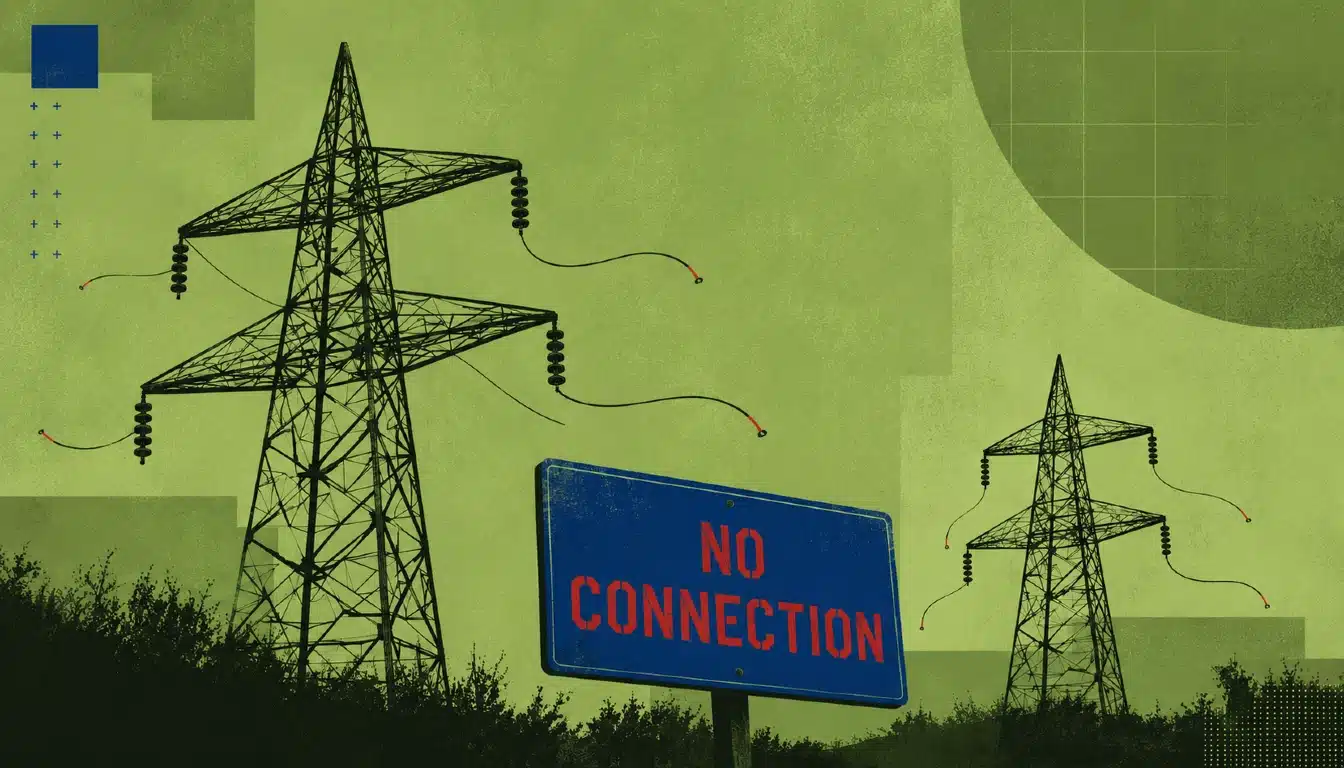
More than €100 billion of clean energy projects are waiting for grid connections across eight European countries. A report by consulting firm AFRY for the campaign group Beyond Fossil Fuels, published on 2 June, found 375 GW of renewable projects and 455 GW of storage stuck in distribution queues.
The eight markets analysed were Bulgaria, Czechia, Germany, Greece, Italy, Poland, Spain and the United Kingdom. The Euronews coverage notes the backlog equals roughly 98 per cent of Europe’s existing coal and gas power fleet. The bottleneck sits with distribution operators rather than headline policy.
Beyond Fossil Fuels campaigner Duygu Kutluay said the bottlenecks are slowing the clean energy shift, raising consumer costs and undermining Europe’s energy security.