An Oakland Institute report finds that clean energy takes only about a fifth of critical mineral output, with defence, aerospace, AI data centres and construction absorbing the rest.
The report, titled RUSH: Global Scramble for Minerals Wages War on People and Planet, challenges the argument that mining must expand to deliver the energy transition. Solar, wind, battery storage and renewables-related power networks together account for around a fifth of demand for critical minerals. Defence and aerospace, conventional transport, AI data centres and construction take the remainder.
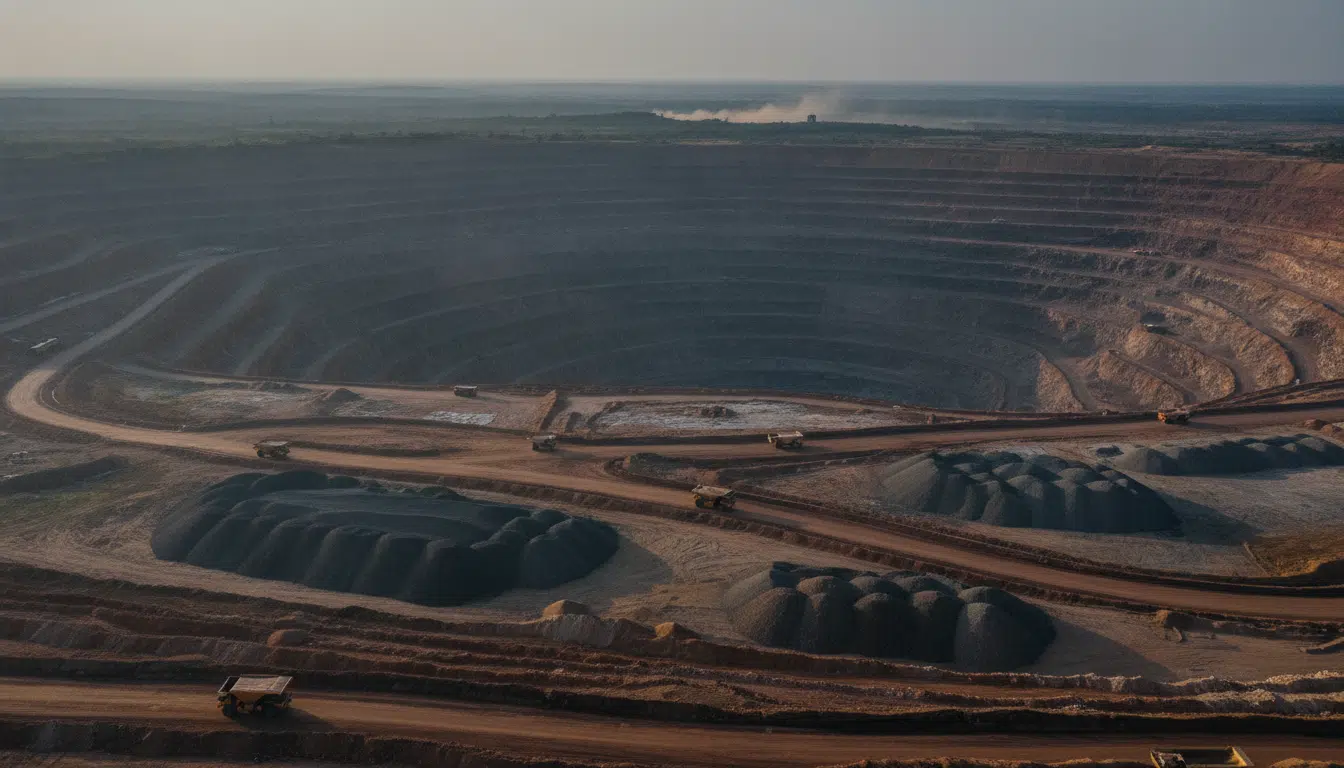
Extraction has already climbed steeply. Between 2000 and 2024, nickel production rose by 187 per cent, rare earth extraction by 329 per cent and lithium production by 1,602 per cent. The International Energy Agency expects demand from clean energy technologies alone to at least double by 2040.
The African stakes
Africa holds 30 per cent of known global mineral reserves. Its mineral-producing countries process less than 15 per cent of their output domestically, so most of the value is added elsewhere. Several governments are pushing for more local processing, though the report questions whether tighter control over mining will translate into jobs and income for communities near the mines.
Frederic Mousseau, policy director at the Oakland Institute, put the point sharply. “Where will equity be if extraction takes place against the will of the people living on the land that is destroyed, drinking water that is contaminated, and breathing toxic air,” he asked.
Power for mines, not for households
Zambia and the Democratic Republic of Congo illustrate the tension. Copper mines in Zambia consume more than half the country’s electricity, while only 43 per cent of households have a grid connection. In the DRC, mining takes more than 60 per cent of generated power, and fewer than one in five people have electricity at all.
Mousseau said the intensification of mineral extraction has already had “devastating consequences around the world, destroying land, livelihoods, and waters”. The plan, he added, is to expand copper and cobalt mining in countries where decades of extraction have brought land grabbing and polluted waterways.
The finding matters for permitting. Producer governments have used the energy transition to justify fast-tracking approvals, and the report removes some of the ground beneath that argument.