Helsinki start-up Ambio has raised €5.1m to grow a service that buys vetted recycled plastic and supplies it to manufacturers, tackling the quality worries that hold back demand.
Finnish start-up Ambio has raised a €5.1m seed round to expand its recycled plastics procurement service. b2venture led the round. Montis also took part, along with existing investor Lifeline Ventures.
Ambio will use the money to expand into more countries and to handle more types of polymer. It already serves customers in the Nordic countries and Germany, and it began work in France this autumn.
A buyer that stands in the middle
Ambio calls itself an AI-native procurement service for recycled plastics. It covers the whole process, from finding a source to arranging long-term delivery. For buyers, it’s important that Ambio trades as a principal, so it buys the material and then sells it on.
A customer tells Ambio the polymer type, its specification, the quantity and the delivery date it needs. Ambio then matches that order with vetted suppliers and handles the shipping. The buyer deals with one firm and gets one contract.
Vetting is the core of the model. Ambio inspects each recycler’s process, either in person or online. It also compares technical data sheets with certificates of analysis from past batches. Sometimes it sends samples to an outside lab as well.
That vetting is how its recycled plastics procurement model builds trust. Before they commit, buyers can order test samples. These range from a few hundred grams up to 25kg. That lets a plant try the plastic on its own lines first.
Why the market needs a fix
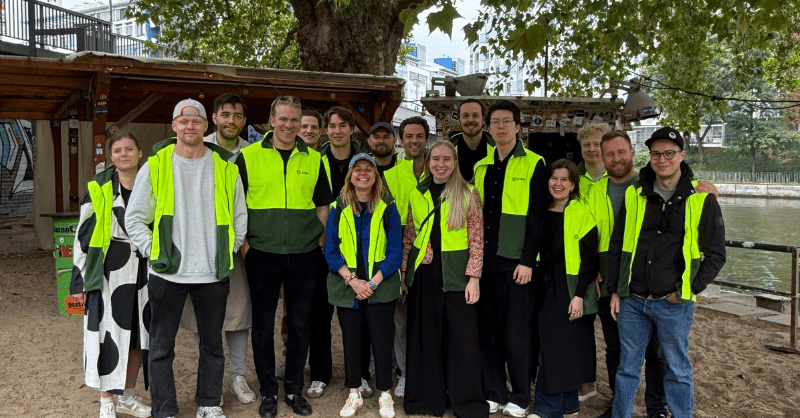
Tommi Bergström co-founded Ambio with Elmo Pakkanen in February 2023. Bergström, the chief executive, had worked at Boston Consulting Group in Helsinki on materials, process industries and climate. Pakkanen is now chief operating officer.
The pair saw the problem early. “As early as 2023 we recognised that the recycled plastics market was flawed,” Bergström said. In particular, he pointed to a supply side split across many sellers.
Europe’s recycling sector is under strain, and that makes supply harder to find. S&P Global expected nearly one million tonnes of European recycling capacity to close between 2023 and the end of 2025. That was out of 13.2 million tonnes across about 850 plants. Cheap imports, rules that get in the way and a wider price gap with new plastic all played a part.
Competing with virgin plastic
For Ambio, the main rival is habit. Many manufacturers simply keep buying oil-based virgin plastic. “Our greatest competition is the status quo,” Bergström said. Existing traders and distributors also compete for the same orders.
The model has risks. Cirplus, a rival online marketplace for recycled plastic, entered liquidation in March. By contrast, Ambio focuses on the buyer side of the market, while most venture capital has gone to the supply side.
Bergström also argues that more recycled plastic use could cut the EU’s reliance on imported fossil feedstock. In his view, new rules will create demand for steady, known quality. Yet he says the industry still suffers from a lack of trust, so Ambio must show that direct sales work.
Construction and packaging lead demand
Ambio has worked with customers for about three and a half years, mainly in construction and packaging. Those buyers need steady quality from batch to batch, which is what the vetting process sets out to deliver.
Sorting and processing are improving elsewhere in the chain. In the US, AMP recently secured $70m to fund AI waste sorting in Virginia. Better recycled plastics procurement deals with the next step, getting that material to the factories that need it.
So Ambio’s test is whether vetting and a principal role can win buyers’ trust at scale. Its next goal is to enter more European markets.