The retailer has made a strategic investment of undisclosed size in the Texas start-up and will sell its batteries through Walmart and Sam’s Club, starting in Base Power’s largest market.
Walmart has made a strategic investment in Base Power. It will also bring the start-up’s service to Walmart and Sam’s Club stores. Neither company has disclosed the size of the stake. Customers who enrol in an eligible Base Power home battery plan in store will get 20 per cent off the upfront installation fee.
The offer starts this month in Texas, Base Power’s largest market. The companies plan to add locations and markets over time. They haven’t given a timeline for that expansion. Walmart announced the deal on 2 November.
A retail route for distributed storage
Customers will be able to meet Base representatives in participating stores, learn about the service and sign up there. That gives the company a physical sales channel at a very large retailer. It also makes Walmart both a shareholder in the business and a seller of its service. Both companies point to grid reliability as a benefit.
Shayne Wahlmeier is senior vice president of Walmart Energy. He said the company “gives them a practical way to help lower energy costs”, referring to customers. His comments also pointed to backup power and a more reliable grid. Walmart also wants to make these systems easier to buy through its stores.
Availability, savings, installation requirements and pricing all vary by location and utility service area. So the discount won’t translate into a single national price for the Base Power home battery.
How the service works
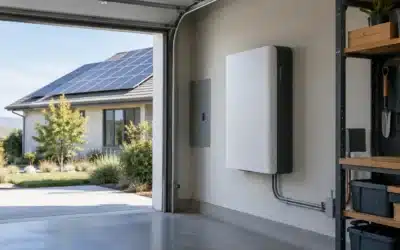
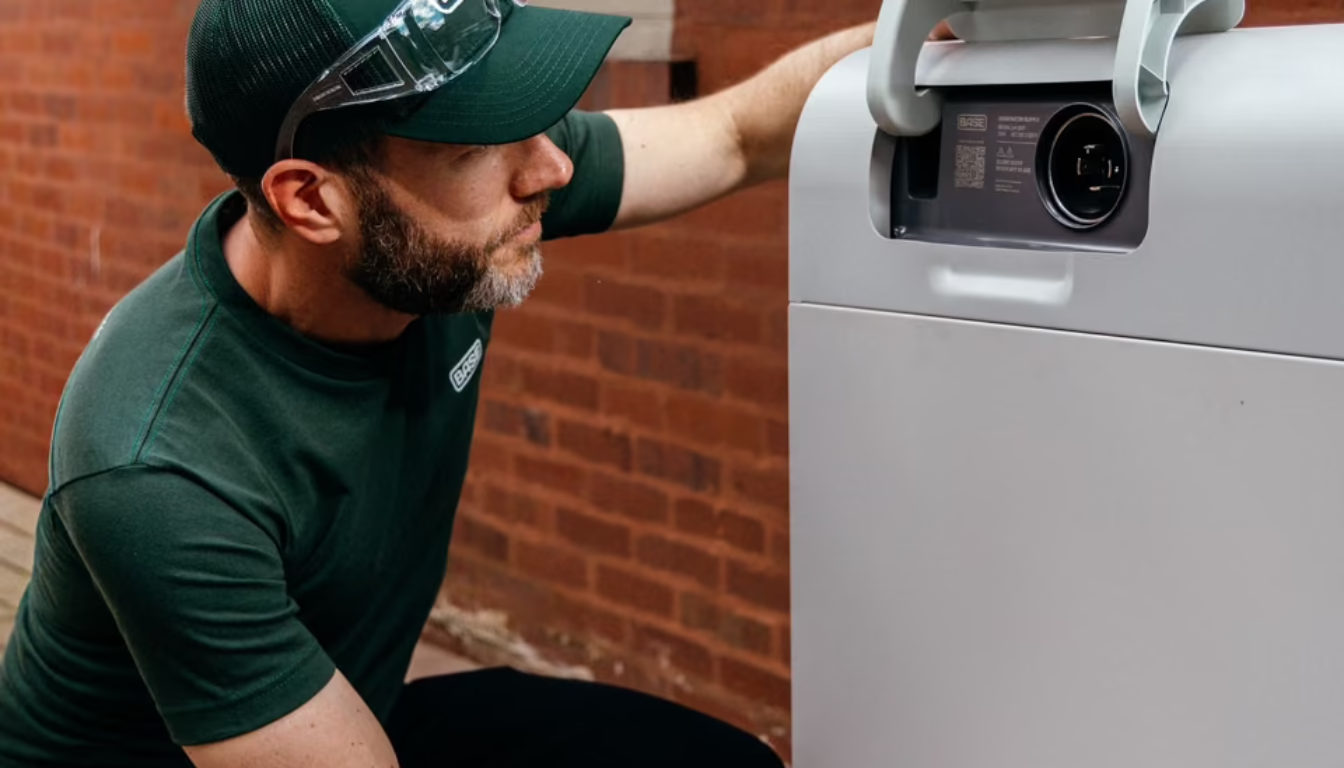
Base Power started in 2023 and is based in Texas. It installs, owns and maintains the battery systems, while the customer pays an upfront fee. So customers pay for installation and don’t buy the battery itself. In eligible areas of Texas, the company also sells electricity plans to go with them.
Homeowners can draw on the batteries during outages, and the systems support the grid when demand peaks. The batteries are also meant to cut energy costs when the grid is running normally. Zach Dell is chief executive of Base Power. He said “families deserve electricity that’s affordable when the grid is working and dependable backup power when it isn’t”.
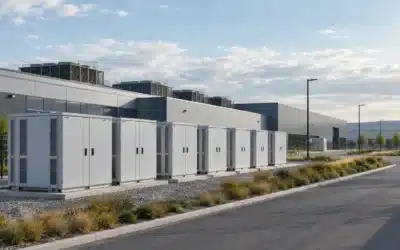
The company serves more than 35,000 members in Texas, and more than 20,000 of them have a home battery. That model depends on scale, because a distributed fleet is worth more to the grid as homes join it. Rival fleets are also growing, including 1KOMMA5°’s virtual power plant in Europe.
New capital after a large Series D
The investment follows Base Power’s $1bn Series D at a $13bn valuation. So Walmart’s contribution looks broader than cash, because the deal also brings customer reach through two store chains.
Texas is a natural starting point, as it’s the company’s largest market. Its outage history also adds to demand for backup power. However, expansion depends on how each state’s market rules treat distributed batteries.
The companies haven’t named the next states. Base Power’s home market therefore gives Walmart a test of demand before any wider roll-out. Neither company has given sales targets for the stores. Walmart also hasn’t said whether it plans further investment in the start-up.
The partnership also tests whether home batteries can sell like other big-ticket household goods. For now, the main incentive for a Base Power home battery in store is the 20 per cent discount. The announcement gives no dollar figure for the fee itself, so the saving isn’t clear. The companies also haven’t said how many stores will take part at launch.
Results from the Texas stores should show how far that route can go. If sign-ups rise, Walmart would have both an investment and a new line of service for its members. Meanwhile, each new household adds capacity that Base Power can call on when the grid is under strain.