
The Texas home battery company has raised a second $1bn round in ten months, tripling its valuation, as investors back distributed storage to meet surging American power demand.
Base Power has closed a $1bn Series D at a $13bn post-money valuation, ten months after raising the same amount at a $4bn valuation. The Austin company has now raised more than $2.5bn since it was founded in 2023.
Ribbit, Addition, Valor Equity Partners and JPMorganChase’s Strategic Investment Group led the round, the company said. Altimeter, D1 Capital Partners, Sands Capital, Coatue, Layer Global and Energy Impact Partners joined, while existing backers including Thrive Capital, Andreessen Horowitz, Lightspeed, Trust Ventures and CapitalG reinvested.
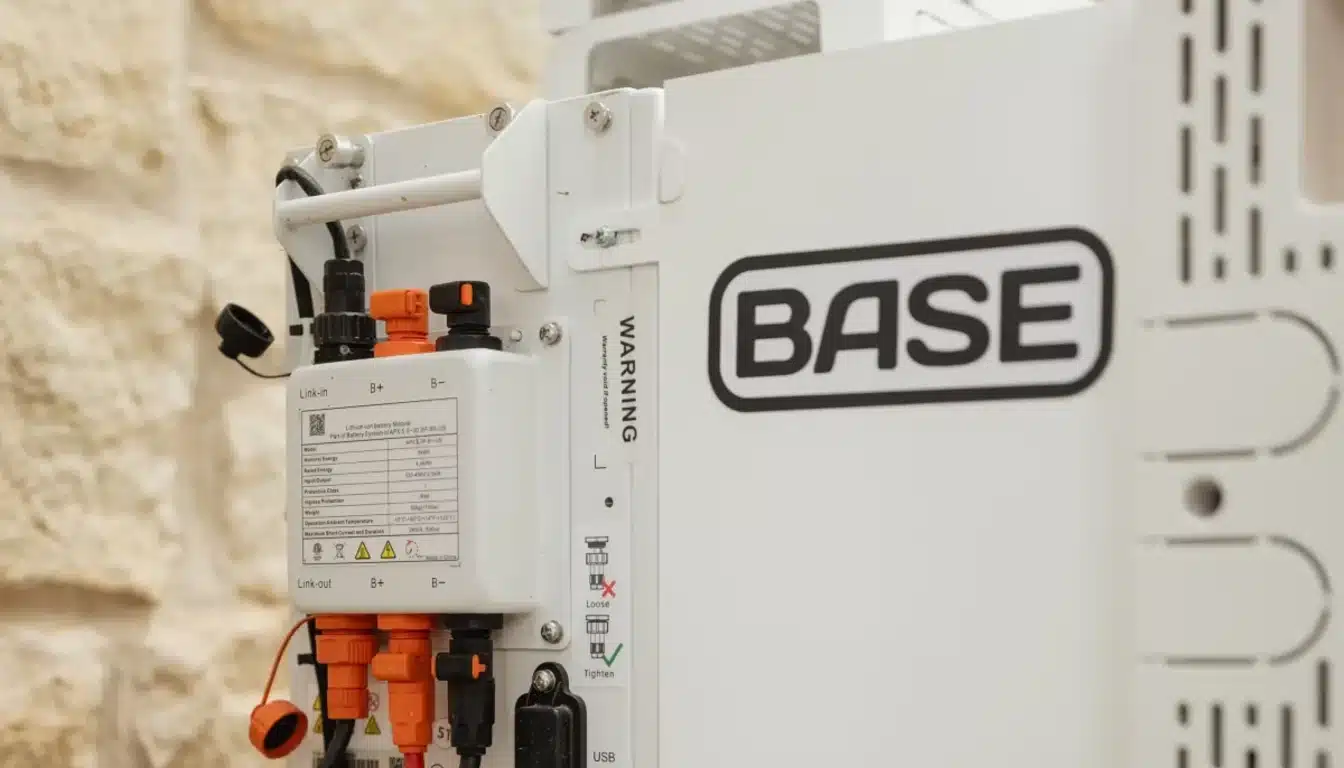
The new capital will fund national expansion, faster installations and further hiring. Alongside the round, the company launched Base Core, a home battery now in production at its own factory in Austin, Texas.
Batteries by subscription
Base Power installs large, high-output batteries at customers’ homes for an up-front fee of between $95 and $695, depending on location, plus an ongoing electricity supply subscription. Households get backup power during outages and cheaper electricity on normal days. In return, the company dispatches the batteries to supply the grid at moments of peak stress, and earns revenue for doing so.
The model has spread quickly. In under three years, Base Power has installed batteries at 17,000 homes, mostly in Texas and more recently in Illinois, Canary Media reported. Together the fleet can deliver more than 500 megawatt hours, on a par with a large utility-scale battery. Grid-scale projects, however, spend years in development and permitting, while Base Power’s installers can fit several systems in a day.
“There’s a real need on the grid for capacity in Illinois and Texas and frankly everywhere else in the U.S. now,” Justin Lopas, Base Power’s co-founder and chief operating officer, told Canary Media. “Distributed batteries are a way that we can add meaningful capacity to the grid.”
A bigger battery, built in Texas
Base Core comes in 39.2 kilowatt hour and 78.4 kilowatt hour versions and can push 20 kilowatts of instantaneous power. That is well beyond the format popularised by the Tesla Powerwall, which discharges 5 kilowatts and stores 14 kilowatt hours. Customers can stack more than one unit, and the batteries sit on the ground, which simplifies installation.
Production lines now run in the former Austin American-Statesman newspaper building. Until now the company bought batteries built to its specification by an overseas supplier outside China. Domestic production means units can come off the line and go straight onto delivery trucks. In addition, the company has a contract to start sourcing US-made battery cells by the end of the year, and already buys the batteries’ data-processing components domestically on cybersecurity grounds.
“We brought together the best hardware and software engineers in the world to build Core – a battery designed to protect American homes while supporting the grid,” said Zach Dell, Base Power’s chief executive and co-founder. “It installs in under an hour, switches over seamlessly, is built to handle extreme weather, and delivers extended outage protection at a price Americans can afford.”
Why investors are paying up
American power demand is climbing sharply, and AI data centres are paying top dollar for capacity wherever they can find it. The round is one of the largest bets yet that small-scale devices in homes can supply part of that demand.
Base Power already works with utilities including El Paso Electric, Austin Energy and CoServ, with agreements covering more than 200 megawatts of capacity. Several states are also designing mechanisms to nudge AI hyperscalers to pay for distributed energy. Those policies remain in their infancy, though the company sees room to grow under current market rules in Texas and Illinois, and its utility partnerships offer a route into states without competitive power markets.