The UN-backed fund approved nearly $2bn for 21 projects at a single board meeting, its largest ever, after balance sheet changes roughly quadrupled the money it can commit.
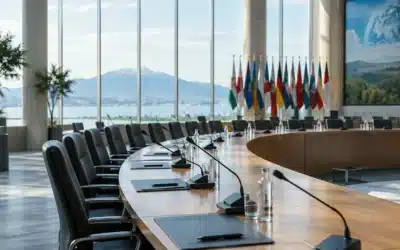
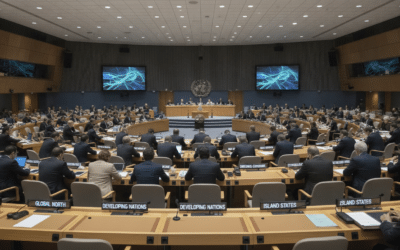
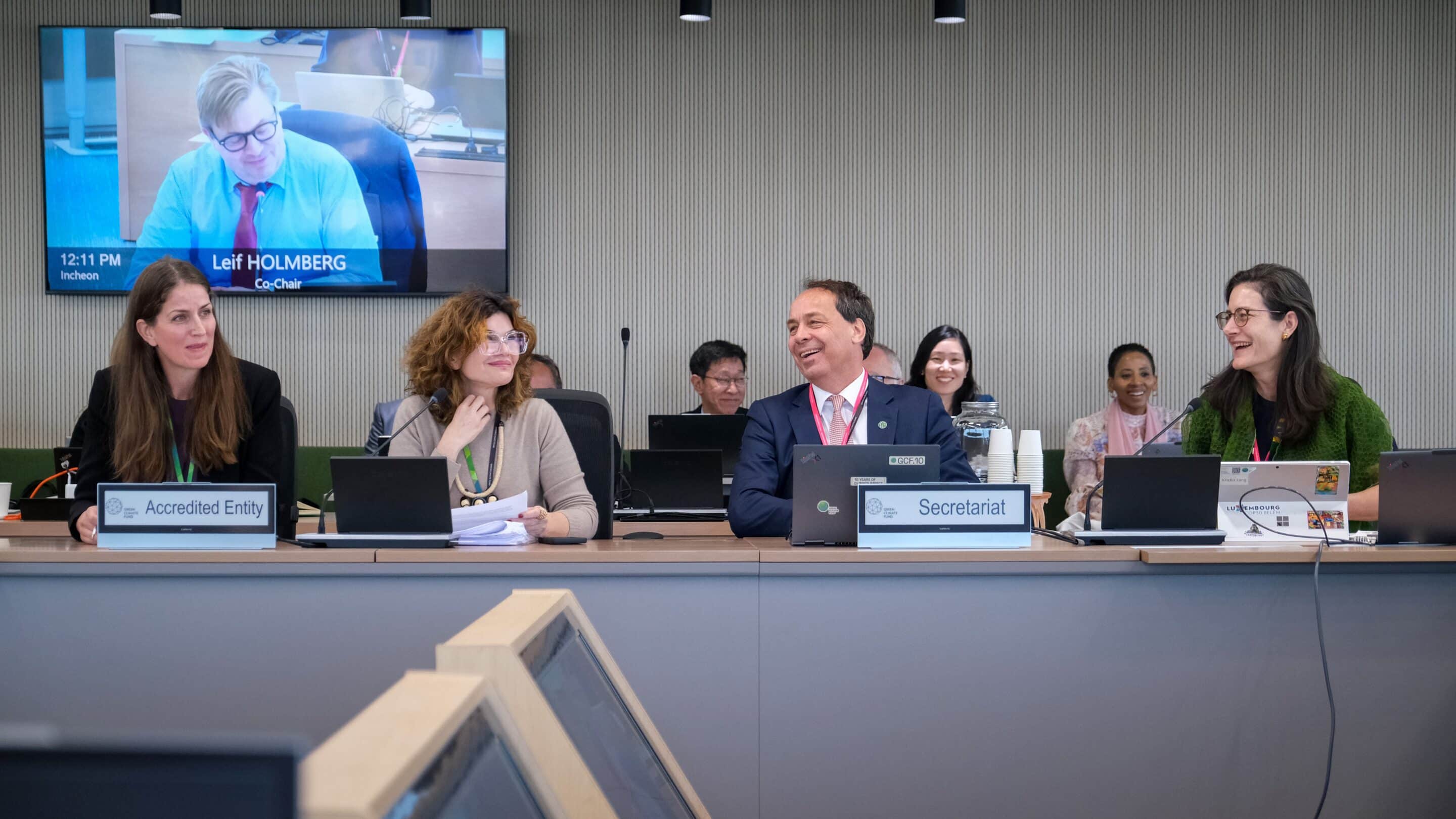
The Green Climate Fund has approved $1.97bn for 21 projects, the most it has ever approved at one board meeting. That takes its approvals for 2026 to $3.3bn, a new annual record. Its board met at the fund’s headquarters in Songdo, South Korea, from 26 to 29 October.
Those decisions lift the portfolio to 379 projects and programmes with $22.3bn in fund money, or $87.3bn including co-financing. The money reaches 44 developing countries across Africa, Asia Pacific, Eastern Europe, Central Asia, the Middle East and Latin America.
Balance sheet changes behind the record
The Green Climate Fund credits part of this year’s total to a decision taken at its previous meeting in July. There, the board changed how the fund manages its balance sheet and cut the capital it holds in reserve. That freed about $4bn for investment.
As a result, money available for new projects over the next two years rises to about $5.65bn, from $1.37bn before. So the fund has roughly quadrupled its capacity. In turn, the board’s next task is the replenishment of the third programming cycle, known as GCF-3. It approved an updated contributions policy for that round, along with its first policy on contributions from other sources.
Leif Holmberg of Sweden co-chairs the board. He said “the Board has laid a strong foundation for the replenishment of GCF’s third programming cycle”. The fund remains small against the wider flow of global climate finance, which the UN recently put at $1.9tn a year.
Industrial and sovereign facilities in Africa
The new approvals cover both large finance vehicles and local adaptation work. They include the Southern African Industrial Decarbonization Facility with the Development Bank of Southern Africa.
The Africa Sovereign Climate Facility will run with Africa Finance Corporation. The Asian Development Bank will run a regional climate action programme. Meanwhile, the European Bank for Reconstruction and Development gets second-tranche money for its Green Cities Facility.
Other projects are much more local. They cover coral reefs in Fiji, water resilience in Bogotá, cities in Bhutan and early warning systems in Yemen. The fund also approved results-based payments for Mexico and two investment vehicles in Brazil. However, the announcement doesn’t give amounts for individual projects.
Several countries are getting their first single-country projects from the fund. Seyni Nafo of Mali is the other co-chair. He said: “We are also bringing GCF finance to first single-country projects in Algeria, Cameroon, Moldova and Yemen.”
More money through local institutions
National and regional bodies will manage about a third of the money. Nafo said “34 per cent of the finance approved at this Board” will flow through these direct access bodies. Those are local institutions that deal with the fund directly, with no multilateral bank in between.
The board also accredited 16 new entities, nine of them direct access bodies. They include InfraCredit in Nigeria and the Ghana Infrastructure Investment Fund. The Maldives Finance and Leasing Company becomes the first national body of its kind in the Maldives. Thirteen went through a revised accreditation framework, with an average review time of four months against a nine-month standard.
A second term for Duarte
The board also reappointed Mafalda Duarte as executive director for a second four-year term. She joined in 2023 after leading the Climate Investment Funds. The board cited her work on reforms at the Green Climate Fund.
Duarte called the unanimous decision “an unequivocal vote of confidence in our reform agenda”. She added that the fund has “implemented deep reforms which have already started to demonstrate significant impact”. Her list included faster accreditation and project checks, as well as better balance sheet management.
The record year now puts more pressure on delivery, because approval is only the first stage of spending. Holmberg and Nafo have also completed two years as co-chairs. Meanwhile, the fund will take its case into the GCF-3 replenishment, when donors decide how much to add.