The US company will build its first large European plant in the same town as a Volkswagen battery cell factory, as an unnamed new investor takes its Series D round past $665m.
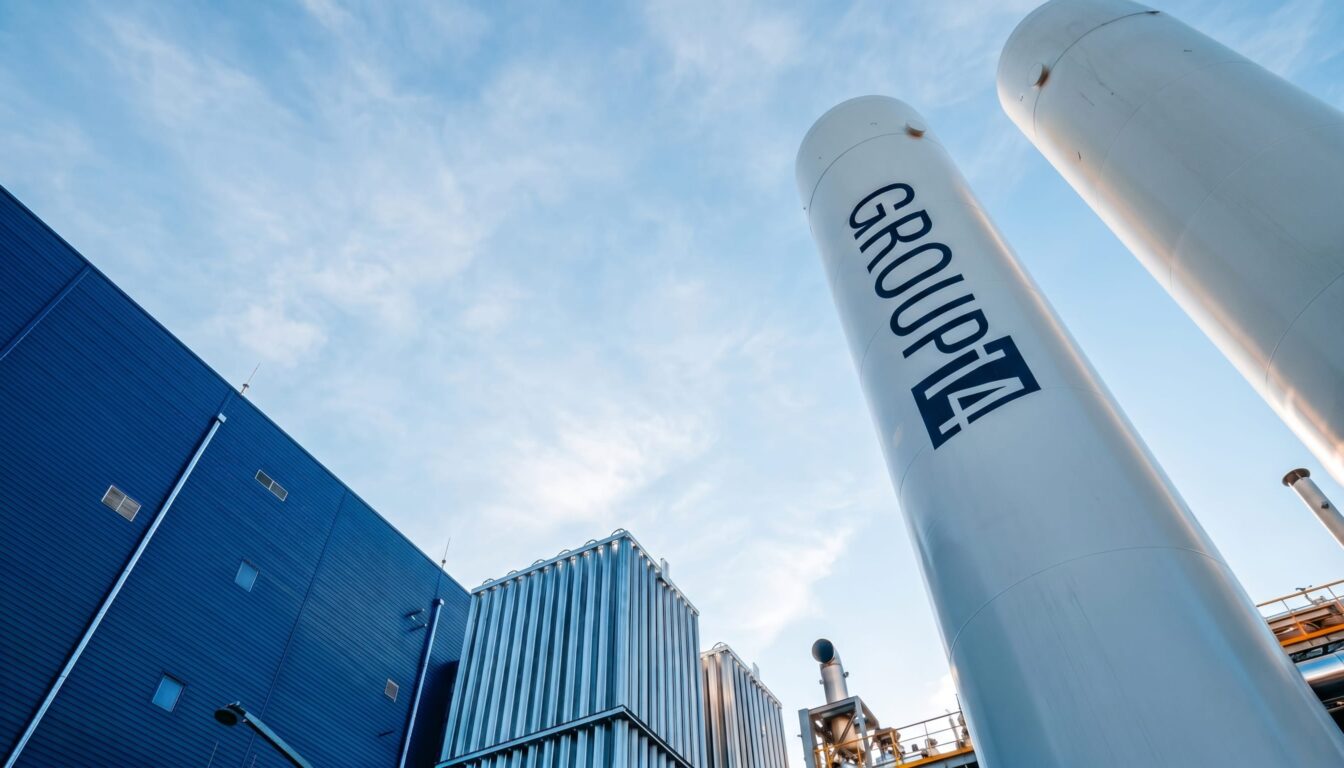
Group14 Technologies has closed a €150m Series D equity extension to fund a 10GWh plant for silicon battery materials in Sagunto, Spain. The site will be its first large-scale manufacturing base in Europe. The money, worth about $169m, comes from a new investor that the company hasn’t named. As a result, the Series D round now exceeds $665m.
The Washington-based company makes SCC55, a silicon-carbon material designed to replace graphite in lithium-ion battery anodes. Group14 says it gives batteries higher energy density and faster charging. So far, the material has reached smartphones, drones, hypercars and electric aircraft.
Group14 has delivered it to more than 150 customers and holds over 200 patents. It also says its customers account for over 95 per cent of global lithium-ion battery production, although it gives no breakdown.
Why Group14 chose Sagunto
Rick Luebbe, chief executive and co-founder of Group14, says the choice comes down to distance from battery makers. “To truly transform the energy economy, battery material producers must be located where the batteries are made,” he said. He added that the Spanish site reflects a plan of “staying nimble, building near key customer hubs”.
Spain is Europe’s second-largest car manufacturing country, according to the announcement. In addition, PowerCo, the Volkswagen subsidiary, is building a cell factory in Sagunto. Porsche, another Volkswagen group company, has backed Group14 since 2022. Even so, the announcement names no customer for the new plant, and Group14 hasn’t confirmed any link with PowerCo.
Group14 also gave no dates for construction or first production at the site, which it calls BAM-4. Nor did it give a jobs figure. So the funding is the firm part of the news, and the build timetable is still to come.
Capacity across three countries
Spain becomes the third country to host production of Group14’s silicon battery materials. Its first site is a commercial pilot plant in Woodinville, Washington, which has run since 2021. A 10GWh module in Sangju, South Korea, is operating and scaling up.
Meanwhile, two modules at Moses Lake, Washington, should add 20GWh, with production due in the first half of 2027. Sagunto then takes near-term capacity to 40GWh. Over the next decade, the company wants to reach hundreds of gigawatt-hours for buyers in cars, data centres, phones and other electronics, aerospace and defence.
“The launch of BAM-4 gives us the springboard to accelerate our European footprint,” Luebbe said. Those figures describe planned capacity, however, and output at any new site will depend on demand from cell makers.
A difficult European market for cell makers
Group14 has already lost European partners. Porsche said it would shut its Cellforce battery subsidiary in 2026, and Cellforce had planned to use Group14 material. CustomCells also became insolvent, months after signing a supply deal with Group14 in 2024.
Group14 still has other links in Europe. In 2023, it bought the German company Schmid Silicon, which runs a monosilane gas plant at Schwarze Pumpe. That gas is an important feedstock for its silicon technology.
In 2025, BASF paired one of its binders with SCC55. That year V4Smart, the Porsche battery unit once known as Varta, also planned to use the material in a new cell.
Silicon anode makers scale up
Other silicon anode firms are also raising money for factories. Sila, a US rival, has won a $1.4bn Pentagon loan commitment for its battery plants. By contrast, Group14’s latest money points its next site towards European car supply chains.
Luebbe also talks of “maintaining secure, localized supply chains”, so he is betting that buyers of silicon battery materials want a nearby source. The test for Sagunto is whether European cell makers sign up to buy its output. They will first want to see a build date for the plant, and that hasn’t come yet.