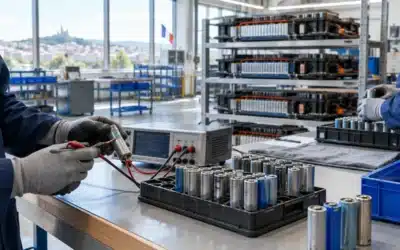
Singapore’s NEU Battery Materials has closed an oversubscribed $7.6m round to scale up an electrochemical process that recovers battery-grade lithium from old and scrap lithium iron phosphate cells.
NEU Battery Materials has raised an oversubscribed $7.6m to scale its LFP battery recycling technology. Shift4Good and SGInnovate co-led the round. Lotus Singapore Group and M7 Holdings joined as new investors, while existing backer Paragon Ventures I also took part.
The round follows the start-up of NEU’s new factory in Singapore. That plant can process 1,300 tonnes of material a year, and it marks the company’s move from lab work to industrial output.
What the money will fund
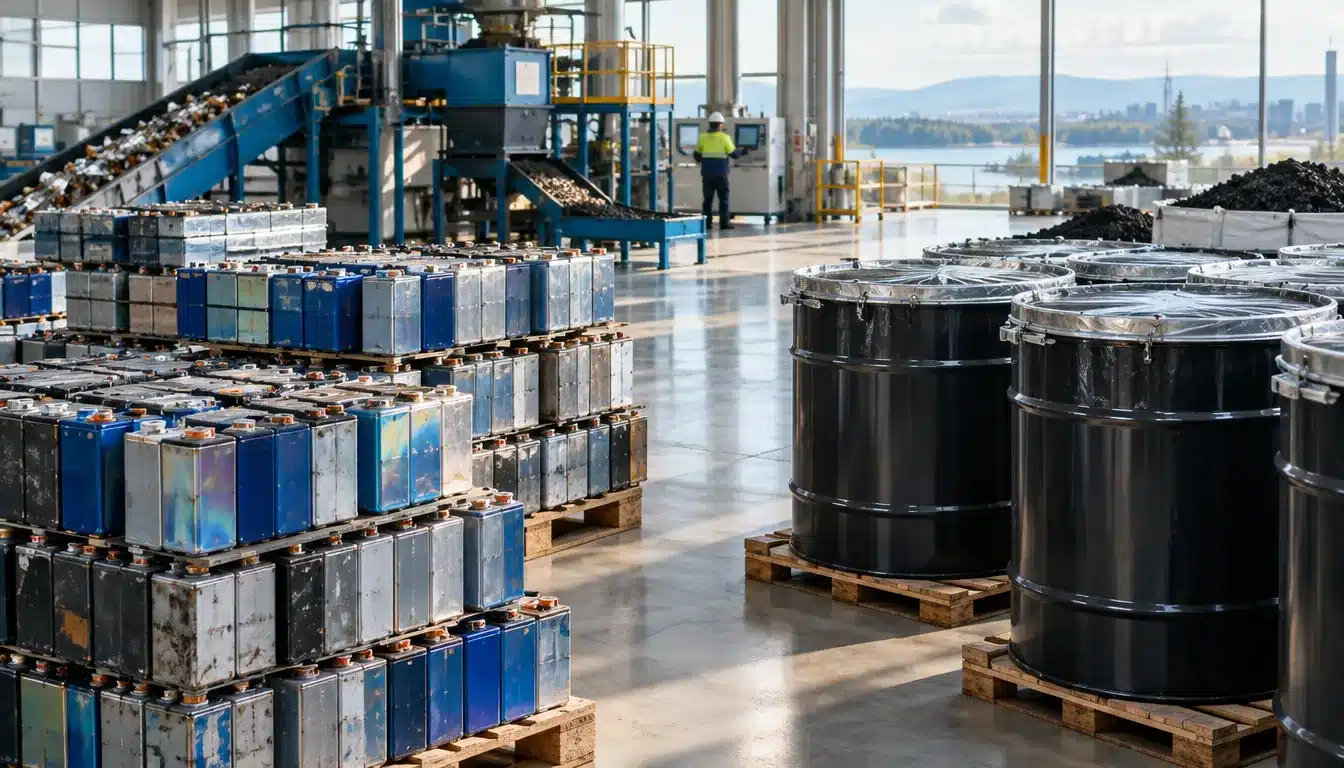
NEU will use the capital to ramp up output of battery-grade lithium. Its feedstock comes from lithium iron phosphate, or LFP, batteries. That includes scrap from cathode production and black mass from batteries at the end of their life.
The funds will also support expansion abroad. The company has said it plans to take the business into Europe and the US. In Singapore, meanwhile, it plans to raise output, cut costs and widen its network of partners.
Why LFP is the target
NEU works only on LFP batteries. These cells are now common in electric cars and in grid storage. Citing International Energy Agency data, the company says LFP makes up more than 90 per cent of battery energy storage systems worldwide. It also accounts for more than 55 per cent of EV batteries.
So as those fleets age, the volume of spent LFP cells will grow. For a recycler focused on this chemistry, lithium is the main metal to recover. LFP battery recycling at scale could therefore add a local source of supply.
How the process works
NEU uses a patented electrochemical method it calls redox targeting. The process runs mainly on electricity and water, along with chemicals that it can regenerate and reuse.
According to the company, this creates less waste than the two common routes, hydrometallurgy and pyrometallurgy. The first uses acids to dissolve metals, while the second uses high heat to smelt them.
NEU also claims its process can cut emissions by up to 83 per cent compared with conventional recycling. That figure comes from the company, and no independent party has verified it.
Inside the Tuas plant
The factory sits in Tuas, in the west of Singapore, and covers 12,000 square feet. NEU is starting it up step by step. So far, it has secured 40 to 50 tonnes of material, which is enough for about six months at the first pace of work.
Most of that feed is factory scrap, which makes up about 85 per cent of current supply. Later, the mix should shift as more LFP batteries reach the end of their lives.
Investors point to supply security
Investors framed the deal around both emissions and control of supply. “LFP battery recycling is both a decarbonisation and an industrial sovereignty imperative,” said Sebastien Guillaud, co-founder and managing partner at Shift4Good.
Bryan Oh, co-founder and chief executive of NEU, made a similar case. “Our vision is to build cleaner and more resilient lithium supply chains for the ongoing energy transition,” he said.
SGInnovate also led NEU’s earlier seed round. That 2023 round raised $3.7m.
A crowded field of battery start-ups
NEU joins a growing group of firms that want to keep battery materials in use for longer. Each takes a different part of the job. In France, for example, VoltR recently raised €22m for battery remanufacturing.
For now, NEU’s next task is to prove the Singapore plant can run at full scale before it builds abroad. It expects to begin that move overseas in 2027. The company hasn’t disclosed a valuation or named the stage of this round. It does say its research roadmap has already hit several technical milestones ahead of schedule.