Swiss climate tech company Cotierra has raised $3m to turn its decentralised biochar reactors and software into a product for coffee, cocoa, cotton and citrus supply chains.
Zurich-based Cotierra has raised $3m to take its decentralised biochar technology from field deployments to repeatable commercial scale. PINC, the venture arm of food and drink group Paulig, co-led the round with Carbon Removal Partners. The company has now raised about $4.75m since it was founded.
Zürcher Kantonalbank, Carbon Drawdown Initiative, better ventures, GOTA Ventures, Hungry4Impact and Triple Impact Ventures also joined. Several impact-focused angel investors took part too.
The new money builds on a $1m pre-seed round in 2024. Partners in Clime, Carbon Removal Partners and Carbon Drawdown Initiative backed that earlier raise. PINC’s role is notable because Paulig is a major coffee roaster, with a direct stake in the supply chains Cotierra works in.
Turning crop waste into soil carbon
Cotierra targets a problem common across tropical farming. Large volumes of crop residues go unused, while soil damage and harsher weather erode farm yields. At the same time, food and drink companies face pressure to cut emissions in their supply chains.
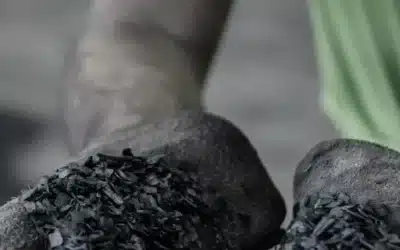
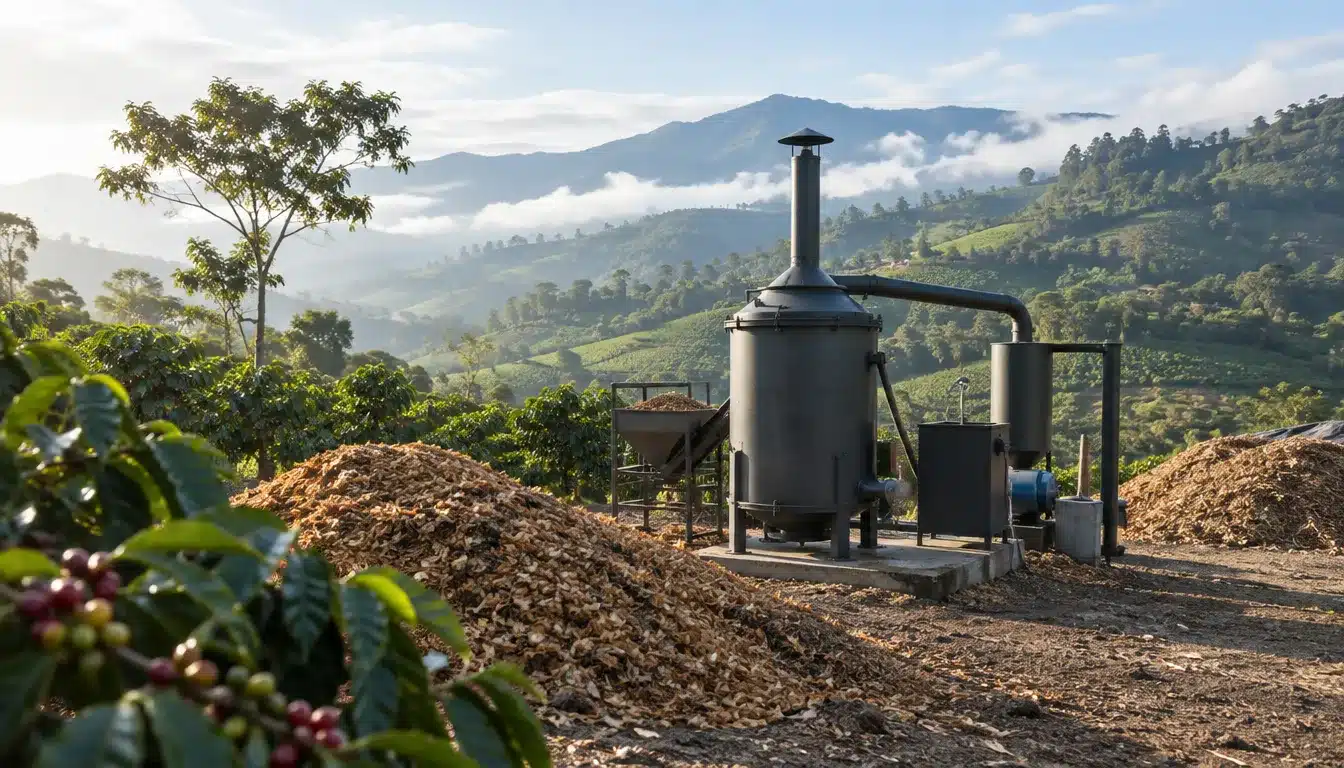
Biochar is a stable, carbon-rich material made by heating plant waste with little oxygen. When farmers add it to soil, it can lock carbon away and improve soil health. Cotierra’s reactors let agricultural businesses make it close to where the biomass is grown. Because the reactors sit on or near farms, the waste doesn’t need to travel far.
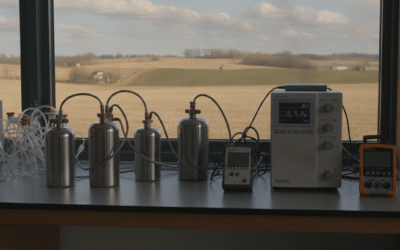
The company pairs those reactors with a digital platform. The software runs, monitors and verifies production, and it tracks where the carbon ends up. As a result, clients can report the results with less manual work.
From coffee to cocoa, cotton and citrus
Cotierra built its model in coffee supply chains, where it says the approach has already worked in the field. The company has offices in Zurich and Bogotá, and it began with pilots in Colombia. One early project involved ASMUER, a women’s coffee cooperative in Huila.
Coffee farms produce large amounts of pulp and husks, which Cotierra’s reactors turn into biochar. Now the company is developing a fully integrated hardware and software product. It also plans to expand into cocoa, cotton and citrus.
Thomas Käslin co-founded the company with Lorenz Buser and leads it as chief executive. He said Cotierra has shown that decentralised biochar can decarbonise and strengthen tropical value chains “where biomass is widely dispersed”.
Back in 2024, Käslin said biochar could help farmers “increase their own profit margins by 30%”. He pointed to better yields and less need for synthetic fertiliser. The biochar also generates carbon removal credits for the voluntary carbon market.
He added: “We’ve proven our approach in the field. Now we’re turning that work into an integrated product our clients can deploy reliably across their operations.”
Investors back traction with traders
Karl Swensson, investment director at PINC, pointed to demand from the coffee trade. “What stood out to us about Cotierra is the strong traction the company has achieved with coffee traders,” he said.
Max Zeller, founder and partner at Carbon Removal Partners, took a wider view. His firm has backed Cotierra since the 2024 pre-seed round. “Cotierra has built the foundation to become a leading technology platform for more resilient and higher-yielding value chains across the tropics,” he said.
A growing market for biochar
Biochar deals keep getting bigger. Earlier this month, for instance, Exomad Green and Carbonfuture extended a biochar deal to over 1.1m tonnes.
Cotierra is betting that decentralised biochar can reach farms where crop waste is widely scattered. Its next test is whether the model holds up across several crops at once.
Verification sits at the centre of that pitch. Buyers of carbon removal credits want proof that biochar was made and applied as claimed. That’s why Cotierra built monitoring, traceability and reporting into its platform from the start.