Bolivian producer Exomad Green and Carbonfuture have expanded their partnership, putting more than 1.1 million tonnes of biochar carbon removal on offer to corporate buyers through 2035.
Exomad Green and Carbonfuture announced on 17 September that they have widened their supply partnership. The deal makes more than 1.1 million tonnes of biochar carbon removal available to corporate buyers through 2035. It includes an existing supply allocation for 2026.
The new volume sits on top of 1.2 million tonnes that the two companies say are already contracted under earlier multi-year agreements. Under the arrangement, Exomad Green’s production in Bolivia connects to Carbonfuture’s digital tracking system and its network of buyers.
A track record of deliveries
The two firms began working together in 2023. Since then, Exomad Green has delivered more than 400,000 tonnes of durable carbon removal. On market data from CDR.fyi to August 2026, that makes it the largest supplier by cumulative delivered volume.
Exomad Green runs biochar plants in Concepción and Riberalta. It is also developing a large project in Guarayos as it works towards one megatonne of annual removal capacity. Diego Justiniano, chief executive of Exomad Green, said the partnership pairs that industrial base with Carbonfuture’s MRV and buyer access. “Together, we are making proven, high-integrity supply available at the scale the market now requires,” he said.
Justiniano added that buyers now judge suppliers on delivery. “2026 is the year carbon removal is being judged on execution,” he said. “Buyers need more than ambitious capacity plans; they need confidence that tonnes can be produced, independently verified, issued and delivered on schedule.”
How the biochar is made
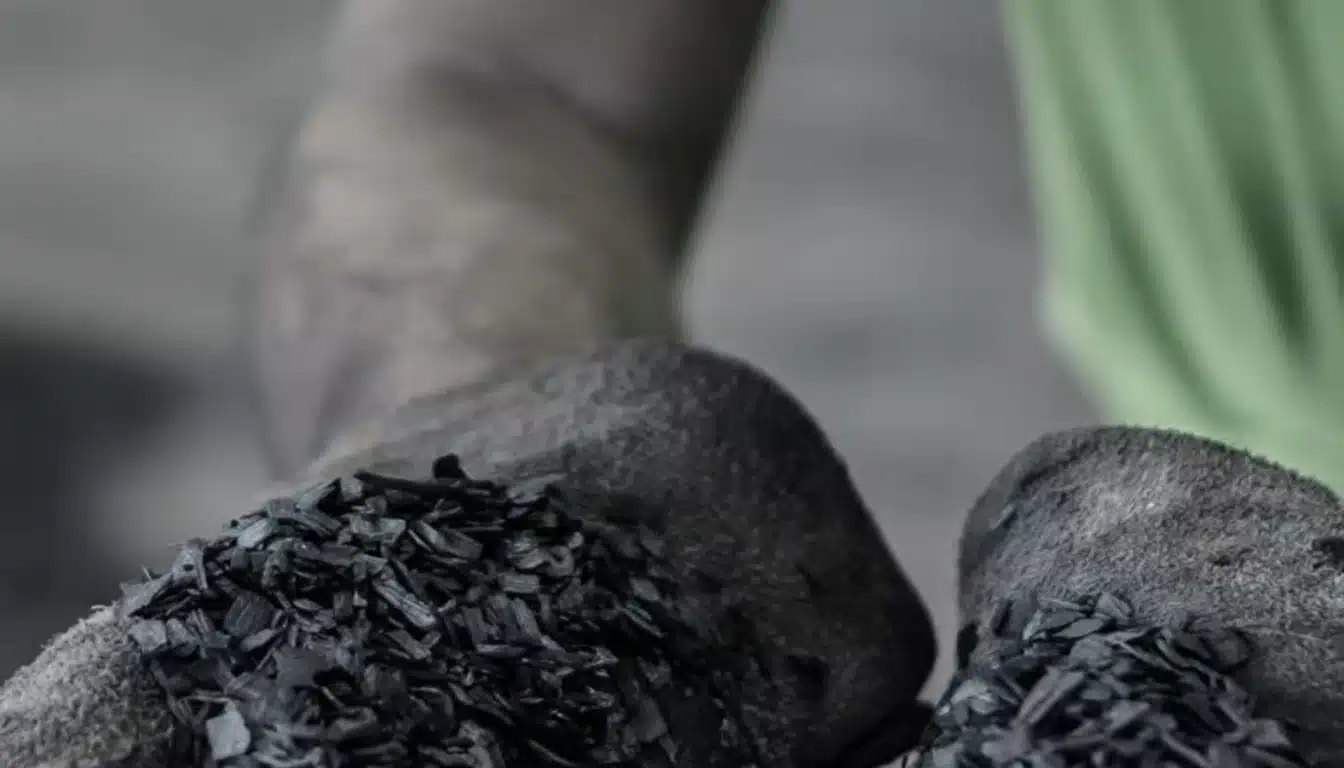
Biochar is a charcoal-like material made by heating biomass with little or no oxygen, a process called pyrolysis. The carbon in the biomass becomes stable and can stay locked away for centuries. That durability explains why biochar carbon removal accounts for most delivered removal credits to date. It also relies on well-understood kit, which keeps costs lower than many engineered methods.
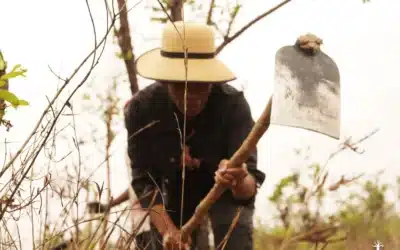
Exomad Green uses sawmill waste that would otherwise be burned or left to decay. It then gives the resulting biochar to local Bolivian farmers free of charge. Farmers use it as a soil treatment, which can improve yields and help soils hold water.
The company says the model also cuts wildfire risk and local air pollution, because less waste is burned in the open. So the same tonne of removal carries farming and health benefits as well.
Tracking every tonne
Carbonfuture’s role is to track and verify each tonne through measurement, reporting and verification (MRV) systems. Corporate buyers increasingly want that independent audit trail before they commit to long-term contracts.
Dr Hannes Junginger-Gestrich, chief executive and co-founder of Carbonfuture, praised the supplier’s operating record. “Exomad Green has consistently demonstrated that durable carbon removal can be executed at industrial scale,” he said.
He described Carbonfuture’s job as providing “trusted digital infrastructure and commercial pathways around a supplier that continues to execute”. In practice, that means buyers can follow a tonne from production to the field. “We are proud to deepen this partnership and bring more than 1.1 million additional tonnes of traceable, high-quality supply to the market,” he added.
Buyers want proof
The expansion reflects a wider shift in voluntary carbon markets. Corporate buyers are increasingly favouring suppliers with operating histories, traceable records and verified deliveries. Meanwhile, many newer removal methods are still at pilot scale. The 2035 horizon also lets buyers plan purchases against their own climate targets for the next decade and lock in volumes early.
Long-dated contracts such as this one also give producers the revenue certainty they need to finance new plants. That financing gap has held back much of the sector, as CSN’s look at carbon removal funding set out. For biochar carbon removal, the next test is whether projects like Guarayos can scale up while keeping verification tight.