A short Texas hop has given the US its first commercial flight on fuel made from waste carbon dioxide and renewable power. The technology works. Scaling it remains the difficulty.
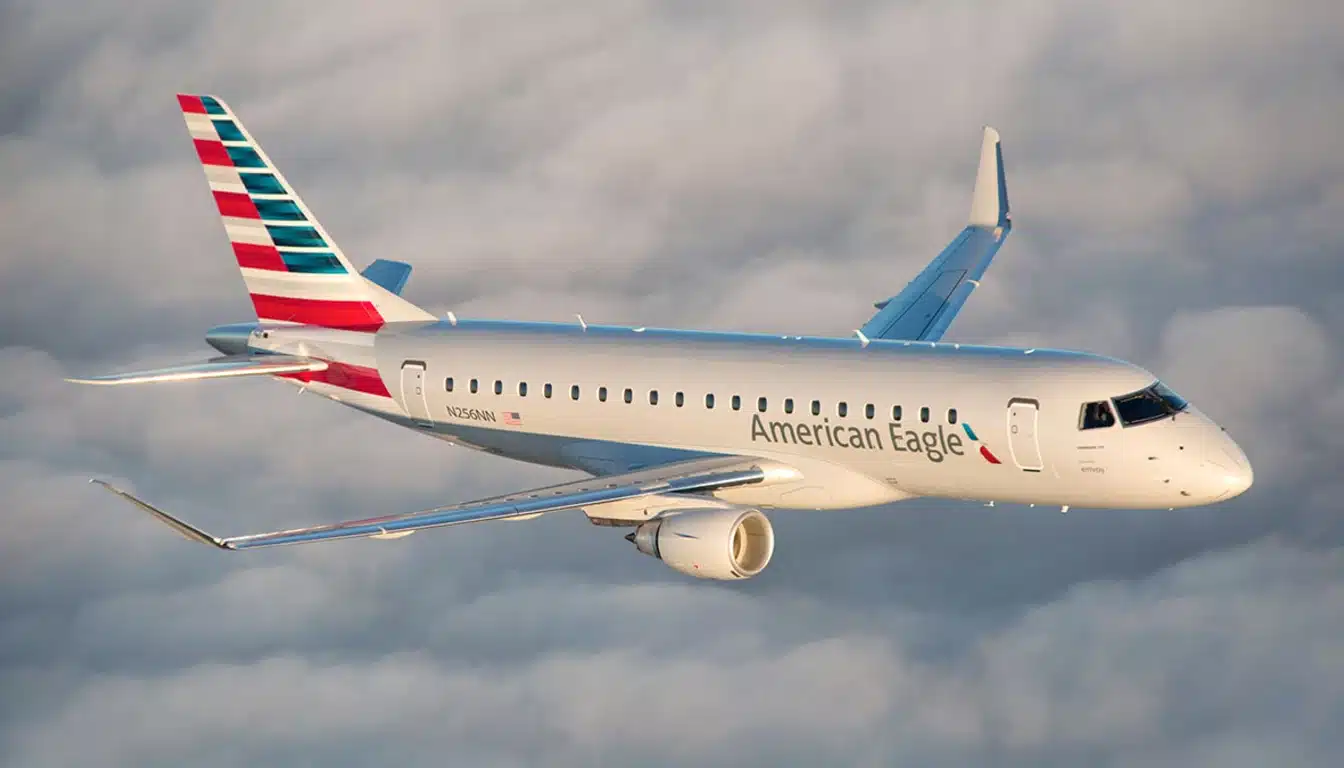
American Airlines has flown the first US commercial passenger service powered by electro-sustainable aviation fuel, or eSAF. The flight ran from Corpus Christi in Texas to Dallas Fort Worth. Its fuel partner was Infinium, a Californian firm founded in 2020 that makes synthetic fuel from waste carbon dioxide and renewable electricity.
No modification to the aircraft was needed, because eSAF is a drop-in fuel. It burns in existing engines, moves through existing pipelines and sits in existing tanks. That compatibility is why airlines watch the technology so closely.
How the fuel is made
Most sustainable aviation fuel starts as biological material, such as used cooking oil or crop residues. Infinium takes a different route. Its plants use a power-to-liquids process, combining waste carbon dioxide with renewable electricity to build a liquid hydrocarbon. Chemically, the result behaves like ordinary kerosene.
Because no crops are involved, the fuel avoids competing with land or food supply. Infinium says the finished product cuts lifecycle greenhouse gas emissions by more than 90% compared with petroleum jet fuel. Those savings depend on the electricity behind the process, so the power supply matters as much as the chemistry.
Getting the fuel into an airport
The eSAF came from a batch produced and blended at Infinium’s Pathfinder facility in Corpus Christi. Running since 2023, the site is the world’s first commercial-scale power-to-liquids eFuels plant. Until now its output has been eDiesel and eNaphtha, sold into commercial trucking and plastics processing.
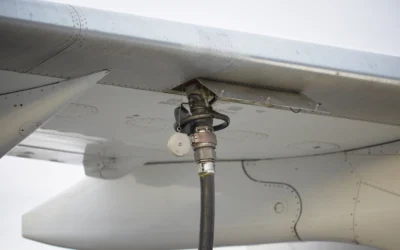
Infinium blended the eSAF with conventional jet fuel, then delivered it to the shared fuel tanks at Corpus Christi International Airport. American drew from those tanks for the Dallas flight. According to the two companies, no SAF made without biobased feedstocks had reached a US commercial airport before.
Robert Schuetzle, chief executive of Infinium, said adding eSAF to the company’s product range is “another meaningful step forward in bringing practical, low-carbon fuel solutions to industry”.
The supply gap behind the milestone
One flight, however, does not shift an industry. Fuel accounts for the vast majority of aviation emissions, while supply of alternatives stays thin. The International Air Transport Association found that SAF production nearly doubled in 2025. Even so, it covered just 0.6% of the fuel airlines burned.
Airlines have leaned on biofuels because they exist today. Refineries can process waste oils at reasonable cost, yet the volume of suitable waste is finite. Synthetic routes, by contrast, scale with electricity rather than agriculture.
High upfront costs and feedstock limits explain much of the gap. Synthetic fuel gets around the feedstock problem, although it needs cheap renewable power and captured carbon in large volumes instead. Cost, therefore, is the barrier rather than the chemistry.
What American has lined up next
American holds an offtake agreement for commercial volumes of eSAF from Infinium’s Project Roadrunner. A separate arrangement with Citi supports it, aimed at cutting Scope 3 emissions from employee business travel. In effect, a corporate flyer helps carry the cost of cleaner fuel.
Roadrunner is still under construction. Brookfield Asset Management and Breakthrough Energy Catalyst are financing it, with nonrecourse project debt from HSBC. Production and deliveries are expected to begin in 2027. Once fully operational, the plant should turn out more than 5 million gallons of eSAF a year.
Robert Isom, chief executive of American Airlines, said scaling SAF production at lower prices is “essential to reducing emissions, strengthening our long-term competitiveness, and continuing to deliver the connectivity and economic benefits that our customers rely on”.
Five million gallons is modest against an airline’s annual fuel bill. Still, the flight shows a full chain working end to end: a plant, a blend, an airport’s common tanks and a buyer under contract.