A new World Bank report says East Asia and the Pacific must invest more than 460 billion dollars in ships, ports and cleaner fuels by 2040 to keep maritime trade efficient, safe and on a lower-carbon course.
Shipping moves the goods that regional economies depend on, and in East Asia and the Pacific the scale is vast. A new World Bank report warns that the fleets and ports carrying that trade need heavy investment to stay efficient, safe and to cut their emissions. The report, Ports, Ships, and Fuels: Maritime Efficiency, Safety, and Sustainability in East Asia and the Pacific, was published on 27 July.
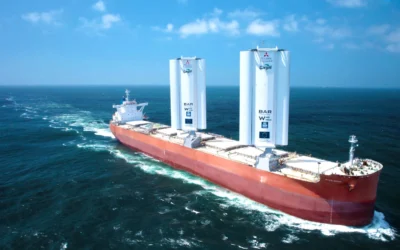
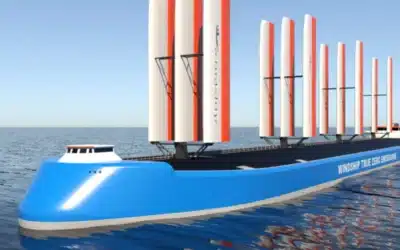
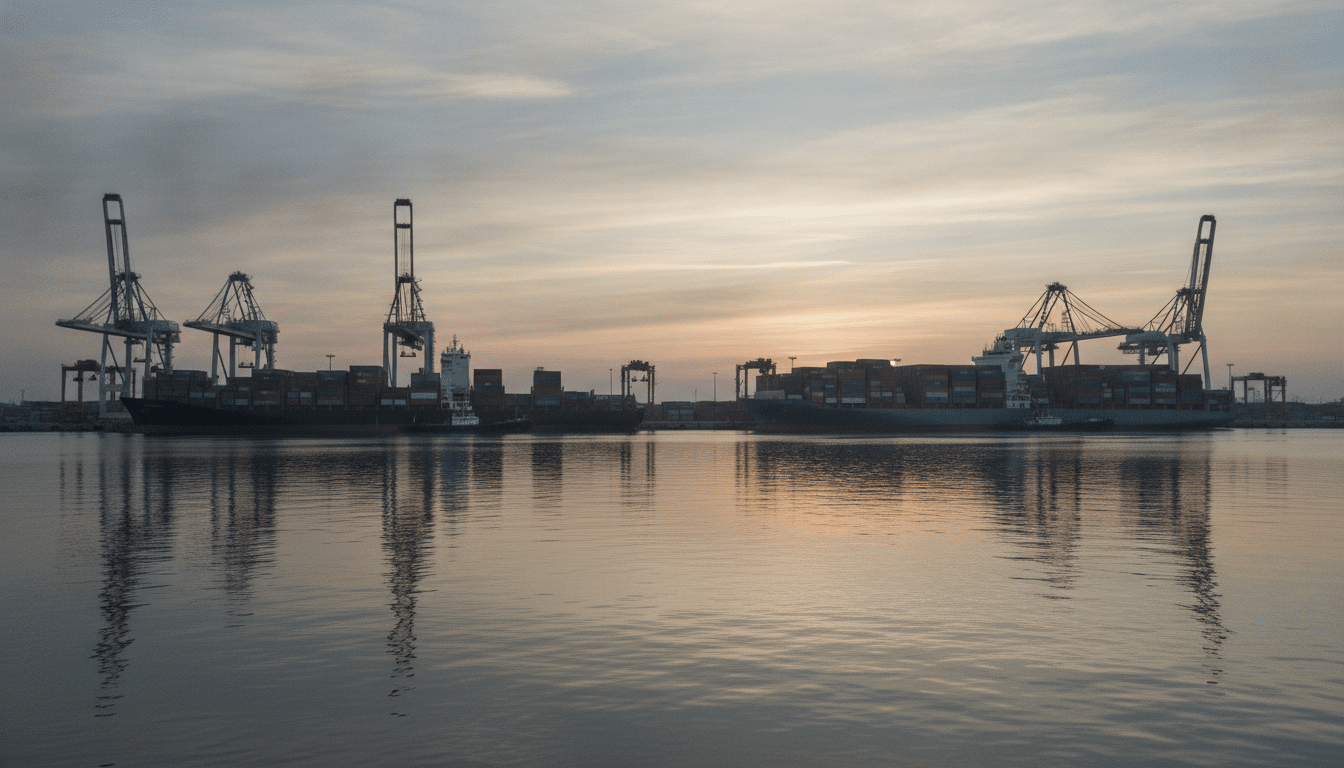
It estimates the region will need more than 460 billion dollars in maritime investment between 2025 and 2040. About 280 billion dollars of that would renew ageing shipping fleets, and around 180 billion dollars would expand and modernise ports. Mobilising money on that scale, the report says, will require coordinated public and private action backed by clear and predictable policy.
A sector that carries the regional economy
The report sets out how much rides on the sector. Maritime transport directly employs up to 9 million people in the region and supports as many as 18 million livelihoods. In 2025, seaborne trade across East Asia and the Pacific passed 6 billion tonnes, underpinning up to 3.7 trillion dollars of economic activity.
Every tonne of cargo that moves through the region’s ports generates about 155 dollars in direct economic output, the report finds. Once knock-on effects through manufacturing, trade and household income are counted, each tonne is worth between 310 and 620 dollars.
“Maritime supply chains are the circulatory system of regional economies,” said Carlos Felipe Jaramillo, World Bank Vice President for East Asia and Pacific. “When they function well, businesses become more competitive, markets become more accessible, and communities prosper. This report is a call to protect workers, strengthen maritime safety and seize the opportunities presented by a more efficient and sustainable maritime future.”
Efficiency, safety and cleaner fuels
The report treats ports, ships and fuels as a single connected system, and names three linked priorities: efficiency, safety and sustainability. Stronger efficiency and safety would improve reliability, lower costs and make regional supply chains more competitive. Progress on sustainability, it argues, will depend on investment in alternative fuels and the infrastructure to supply them.
Ageing fleets, port congestion and safety risks all feature as pressures the region can no longer defer. The shift to cleaner fuels adds another layer of cost, and the report frames these as decisions that will shape the sector through to 2050.
Investing in people
Money alone will not carry the transition. The report stresses that governments and industry must equip workers with the skills a changing sector demands, as automation, digitalisation and alternative fuels reshape work at sea and ashore. Making maritime careers safe and attractive, it argues, is central to keeping the talent the industry needs.
For a region that handles a large share of world trade, the message is that maritime decarbonisation and economic resilience are the same agenda. The investment gap is real, and the report offers governments a costed roadmap for closing it.