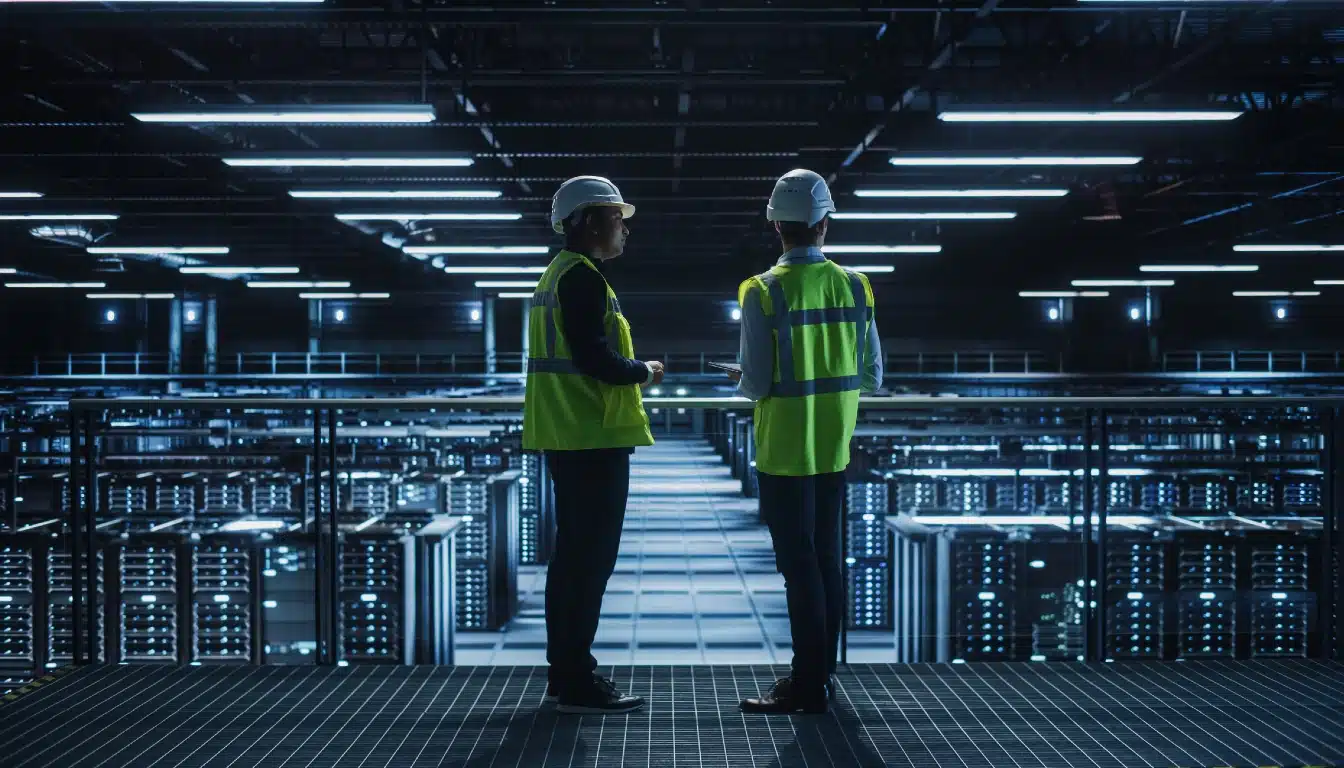
The artificial intelligence boom has made power the defining constraint of the digital economy. Data centres once drew between 5 kilowatts and 15 kilowatts per rack. AI facilities now demand megawatts at a time. Some projects require gigawatt-scale supply. The limiting factor has shifted from compute capacity to reliable electricity delivery.
That pressure is already reshaping major investment decisions. OpenAI has announced plans for a 3.2-gigawatt data centre near Savannah, Georgia. Power will arrive in phases between 2028 and 2032. That timetable reflects how long large projects wait for grid access. Industry reporting indicates average US grid interconnection delays of around five years. Some large facilities face waits of up to 12 years for transmission capacity.
Developers Turn Away from the Public Grid
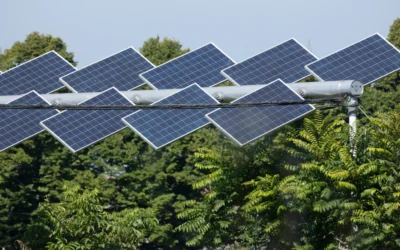
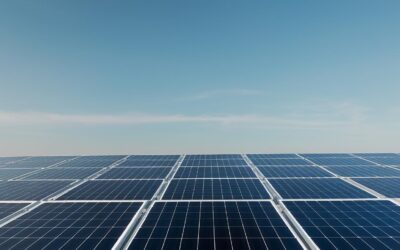
Those delays have driven a scramble for alternatives. Operators are pursuing on-site generation, battery storage, and private energy parks. These behind-the-meter arrangements reduce immediate dependence on the public grid. Independent power producers are building dedicated energy campuses that combine gas, solar, and large-scale storage. Delivery times on these projects are faster than conventional grid builds.
Schneider Electric has described the industry’s direction as a “grid to chip” model. The approach treats energy as a continuous system. It coordinates utility connection, local generation, rack-level distribution, and software control into one integrated process. That framing captures how far data centre planning has moved from traditional infrastructure development.
Construction methods are also changing. Prefabricated electrical modules, assembled in factories and installed on site, are gaining ground. Developers say this approach cuts build times and improves quality control. It also reduces risk during first-time energisation. Design work now proceeds well before the latest chips reach the market.
Inside the Facility, Engineering Demands Are Intensifying
Next-generation racks are heading beyond 200 kilowatts each. That creates severe heat and power-management problems. Operators are moving towards higher-voltage systems, including 800 volts DC inside the rack. Higher voltages reduce current, limit losses, and allow slimmer cabling. The physical footprint of power equipment is growing even as compute density increases.
Software has become as important as hardware in managing these systems. Schneider Electric reports that operators rely on digital twins to model entire electrical systems before construction begins. Energy management platforms then monitor multiple sources in real time once a site is live. AI tools predict failures, schedule maintenance, and improve performance. The company says these tools can cut outage risk sharply, reduce manual intervention, and extend equipment life. Those figures depend on site conditions and system design.
Grid Capacity and Geopolitical Tensions Shape the Race
Wider questions about existing grid capacity are also entering the debate. GridCARE, a software company, has claimed that advanced modelling could identify as much as 300 gigawatts of hidden transmission capacity across the US over the next three to five years. Those claims have yet to be independently verified. Utilities and regulators are searching for ways to speed up connections without waiting for large new build-outs.
A geopolitical dimension is also emerging. Bloomberg reporting cited by technology outlets states that China’s Z.ai has activated a one-gigawatt AI data centre built entirely on domestic chips. National compute strategies are now tied to energy security as well as semiconductor supply. In the United States, local opposition to data centre expansion is growing. Electricity bills, noise, pollution, and grid strain have become political flashpoints in regions with heavy AI investment.
Axios has reported rising electricity costs across PJM, the grid serving much of the US Mid-Atlantic and parts of the Midwest. AI-related demand is adding to concerns about rates and reliability. For developers, the economics of new projects depend as much on infrastructure politics as on technology choices.
Power as the Foundation of the AI Economy
The next generation of AI facilities will be built as integrated energy systems. Success depends on coordinating generation, storage, distribution, and software from the utility substation all the way to the processor. Power is the platform on which the AI economy will stand or stall.