Food production is central to the climate problem in a way that the energy transition alone cannot resolve. Global food systems account for roughly 34 per cent of all anthropogenic greenhouse gas emissions. The global population is expected to approach 10 billion by 2050. Meeting that demand on current agricultural models means converting vast areas of land that hold existing carbon stocks and biodiversity.
Plant-based proteins have partly addressed the livestock problem. Their cultivation still requires fertile land, water, and chemical inputs. The structural tension between feeding more people and protecting the natural systems that agriculture depends on has not been resolved.
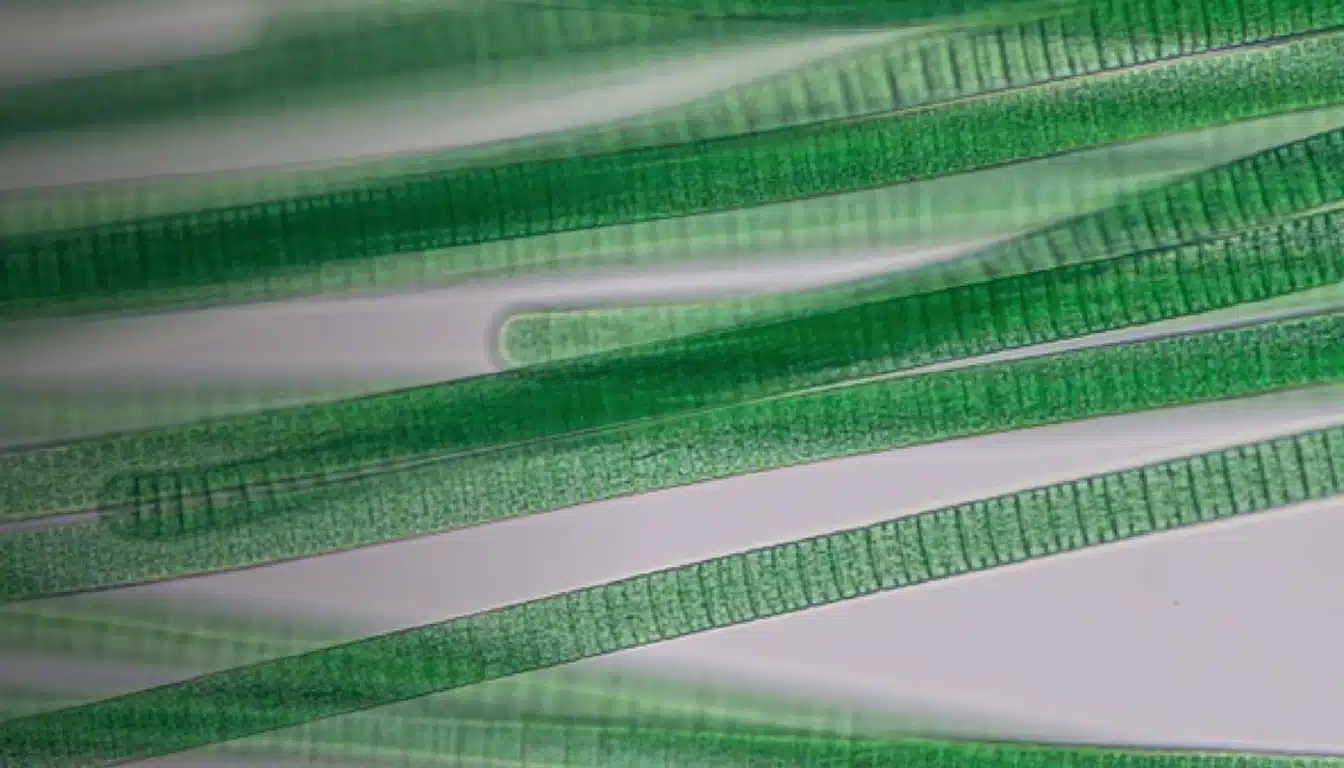
Arborea, a London-based climate technology startup, is building a production platform designed to address that tension at source. Its BioSolar Leaf system industrialises photosynthesis to cultivate microalgae on non-fertile land. Carbon dioxide and natural sunlight are the only feedstocks. The system sequesters carbon as a condition of production. As Dr Kaly Chatakondu, Arborea’s global commercial director, puts it: “Carbon dioxide, as opposed to being a problem, suddenly becomes your feedstock.”
How the system works
The BioSolar Leaf resembles a solar panel in physical form. Inside each module, a network of cultivation tubes carries water in which microalgae grow. The tubes function as an inverted lung, taking in CO₂ and releasing oxygen. “It breathes in carbon dioxide and breathes out oxygen inside breathing cultivation tubes,” Chatakondu told Climate Solutions News. “This is simply photosynthesis, a natural process that originated on Earth three billion years ago. But it’s photosynthesis on steroids, if you like. This is industrial photosynthesis.”
Traditional crops deliver one or two harvests annually. The BioSolar Leaf enables a daily harvest, running to 365 cycles per year. The CO₂ input requires no pressurisation. The process operates at concentrations below two per cent. It can draw on industrial flue gases, agricultural waste combustion, or ambient air. Water recirculates continuously in a closed loop, with no dependency on rainfall or soil.
Arborea uses patented gas-permeable membranes made from recycled plastic to enable CO₂ uptake at ambient concentrations. The closed, controlled environment eliminates the cross-contamination risks that have historically limited open-pond cultivation systems. “Two tonnes of carbon dioxide turns into one tonne of ingredients,” said Chatakondu. “You have literally every box ticked in terms of environmental footprint.”
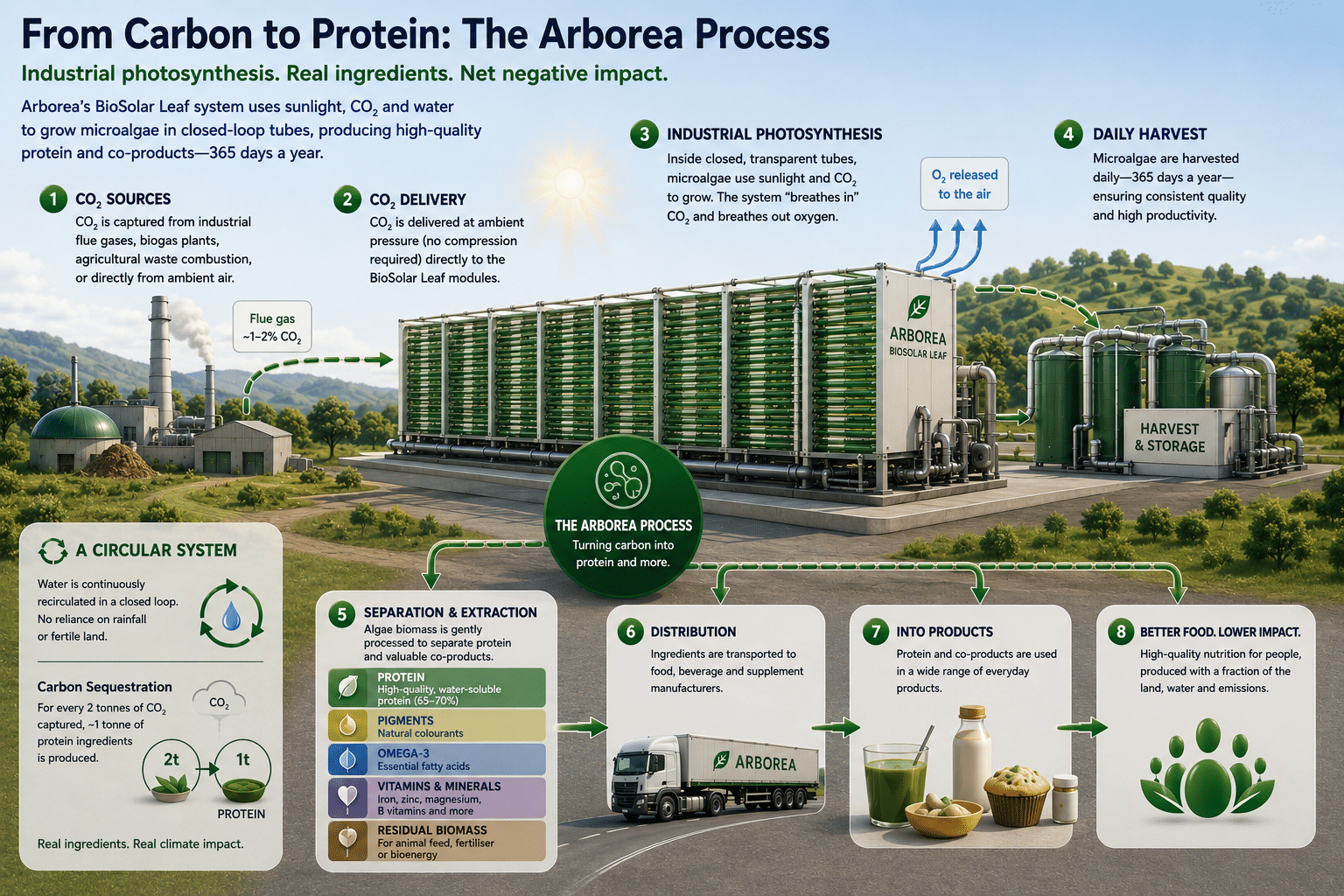
Respresentative illustration for explanatory purposes. Does not show actual machinery or equipment.
A versatile ingredient platform
Arborea’s commercial entry point is spirulina. It carries roughly 65 to 70 per cent protein by mass. Alongside that, it provides iron, zinc, magnesium, B vitamins and omega-3 fatty acids. It holds food-use approval across most jurisdictions, having entered common global usage ahead of novel food regulations. “As long as you use natural mild extraction methods, there are very few regulatory hurdles,” said Chatakondu. “Regulation is not a blocker, but it’s a slower downer.”
The protein extracted from Arborea’s spirulina is water-soluble, neutral in taste and pale in colour. It has foaming, gelling and emulsifying properties. It can substitute for conventional proteins in plant-based milks, bakery products and beverages without masking agents or major reformulation. Natural pigments, omega-3 fatty acids, and bioactive vitamins and minerals can all be co-extracted from the same biomass. “Literally, sometimes some processes struggle because you extract a tiny amount of product,” said Chatakondu. “Here, every part of the microalgae has value in different applications.”
Beyond spirulina, the platform is, in principle, substrate-agnostic. Over 30,000 photosynthetic microalgae species are known to science. “This process can literally make any photosynthetic microalgae,” said Chatakondu. “You may want one that’s rich in omega-3 fatty acids, one rich in other lipids for biofuels, one rich in certain ingredients for pharma applications. This is industrial photosynthesis. It really doesn’t care which microalgae you grow in these tubes.”
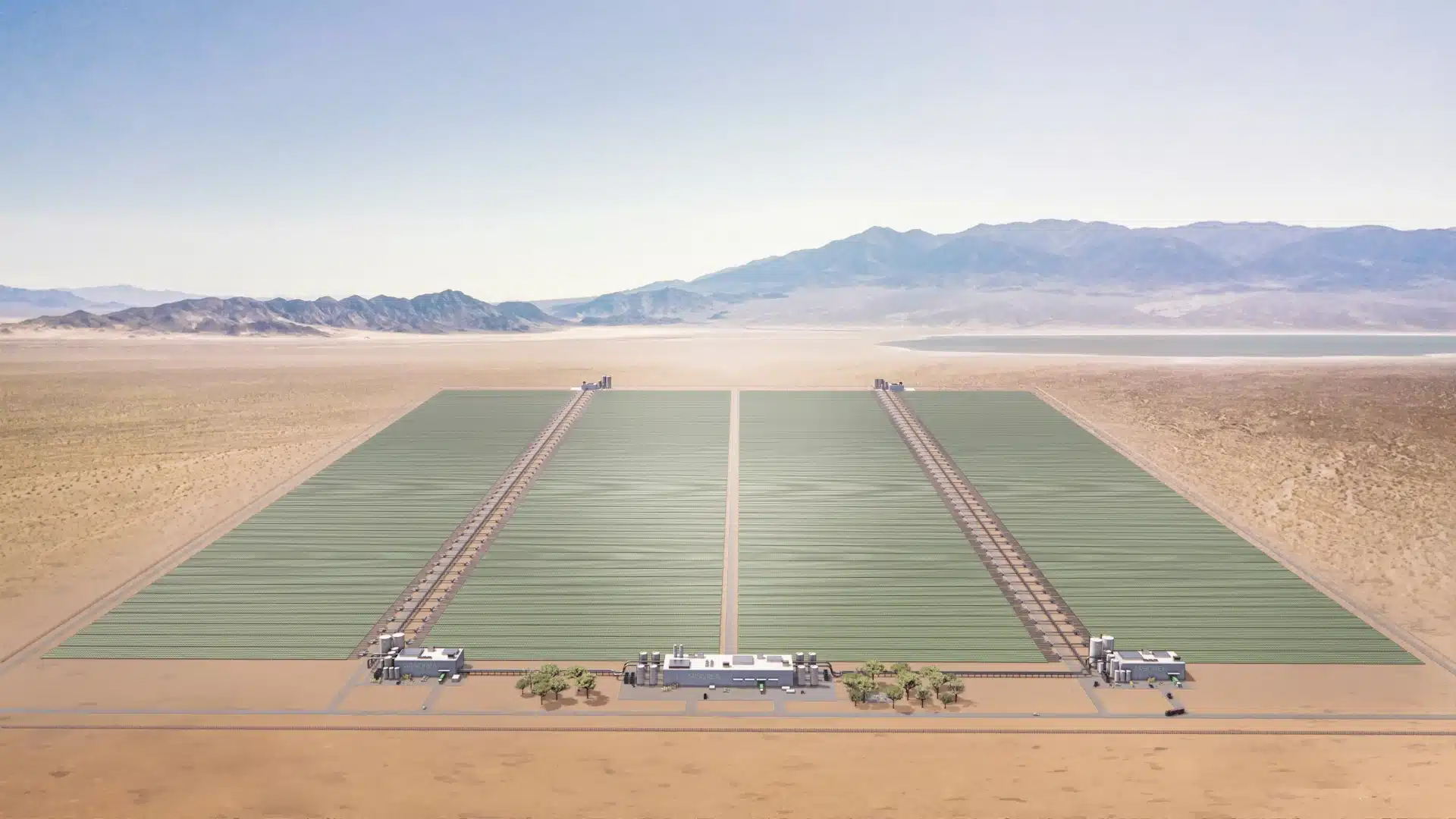
Impression of a full-scale Arborea facility in future.
Why previous microalgae ventures have struggled
The microalgae sector has generated substantial scientific interest over decades while producing few commercially scaled operations. Chatakondu addresses the track record directly. Raceway ponds risk contamination from organic toxins or heavy metals and produce inconsistent output. Conventional tubular photobioreactors can deliver quality but carry high capital costs and scale poorly. Fermentation processes typically demand pressurised gases and expensive infrastructure.
“Our process basically overcomes every one of those hurdles,” said Chatakondu. “It’s low capex, it’s eminently scalable, it’s completely controllable. You have no possibility of cross contamination and you have excellent both taste and nutritional control.”
Arborea puts the capital cost of its system at approximately one tenth of tubular photobioreactors. That arithmetic matters. It changes the risk profile for major food companies considering long-term supply arrangements with a producer of novel ingredients.
Commercial traction
Arborea has signed offtake agreements and paid joint development agreements with major food multinationals it has not publicly named. Collaborations span dairy, beverages, and pharmaceutical applications. One disclosed partnership is with AB InBev, the world’s largest brewer. The two companies are developing a BioSolar Leaf pilot in Mexico, focused on capturing CO₂ from the brewing process. The arrangement is a working illustration of the co-location model Arborea intends to replicate: CO₂ emitted as industrial waste diverted into food and ingredient production.
In December 2024, Arborea closed a €5 million funding round led by Indico Capital Partners, with Banco Português de Fomento participating. Total venture capital investment stands at approximately $9.5 million. Grants of a further $4.5 million sit alongside it, including European Innovation Council support. Stephan de Moraes, managing general partner at Indico Capital, said the BioSolar Leaf system produces “a higher quantity of protein compared to any other food production method, including agriculture and animal production.”
Chatakondu joined Arborea in early 2024 after more than three decades in senior food-industry roles. He holds a chemistry doctorate from the University of Oxford. The economic case, as much as the science, drew him in: “I was fascinated by the science, but equally compelling in the case of Arborea is the economic scalability. It was enough to make me take the plunge and leave the multinational world and join the startup world.”
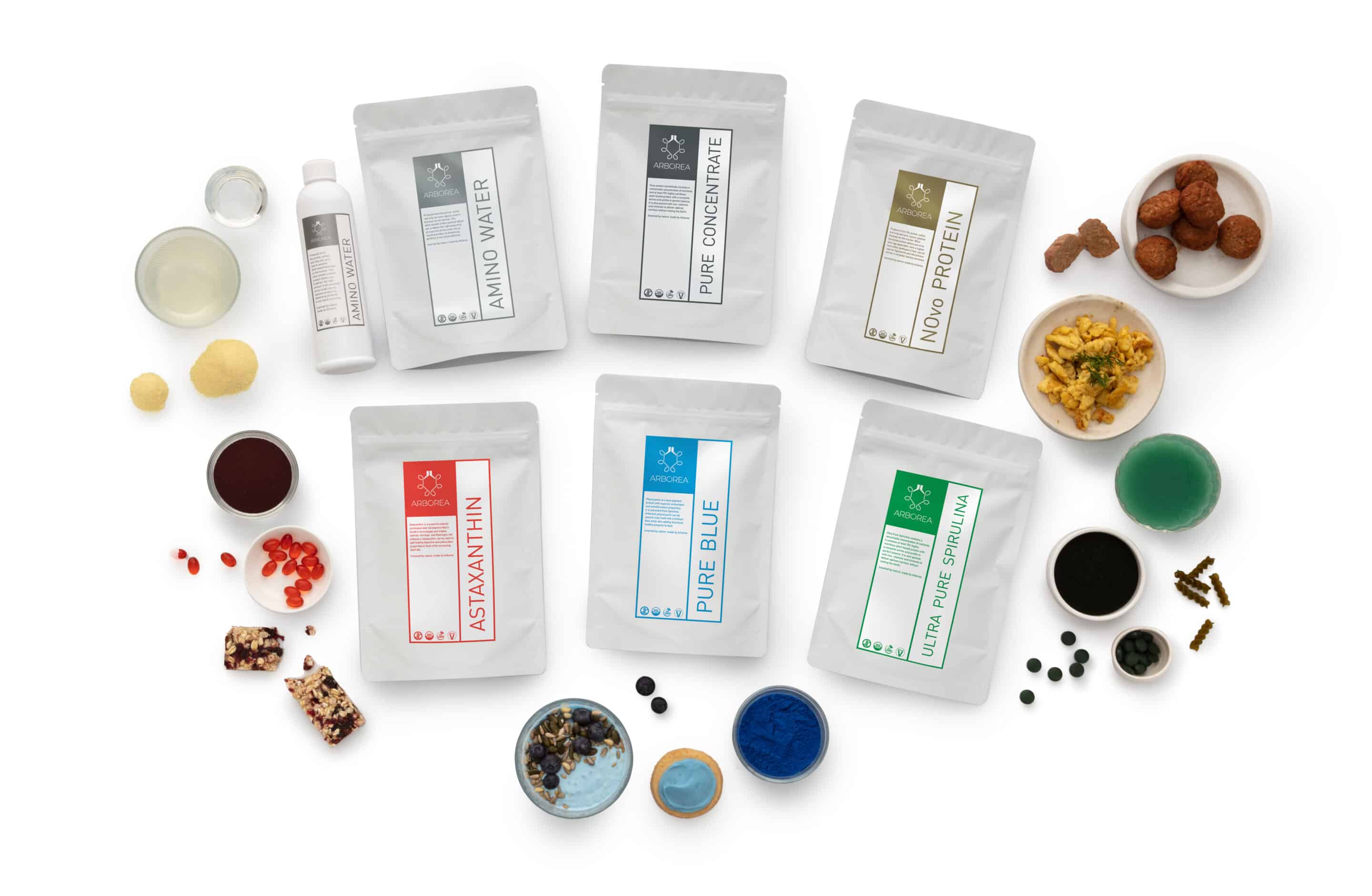
Some of Arborea’s products.
Scale-up and what comes next
Arborea’s pilot facility in Lisbon was designed as a one-to-one techno-economic model of a full commercial plant. Its first full-scale factory is being built in Portugal, on land within an olive plantation. The site is too degraded for the olives themselves to grow on; CO₂ will come from burning olive waste. The facility is expected to be operational in 2026 or 2027, producing several hundred tonnes of ingredients annually. Most capacity is already committed under offtake agreements.
Longer-term expansion will proceed via joint ventures and technology licensing. Arborea does not intend to build and own all future facilities. The regional drivers vary. In Asia and parts of the Middle East, the appeal is food security on land-constrained territories. In Europe, it is deforestation-free sourcing credentials. In North America, it centres on controlled production and contamination-free ingredients. “We want to prove to the world all the techno economics,” said Chatakondu. “They’re very, very attractive techno economics, but we want to prove that.”
Verification, scale and the Portugal test
Arborea describes its production process as carbon negative. The pilot data, Chatakondu says, supports that characterisation: two tonnes of CO₂ convert to one tonne of ingredients, water recirculates without replenishment, and no arable land is required. The claim has not yet been independently verified. The company says formal verification requires the commercial facility to be operational first.
The food industry’s search for protein that imposes no land toll, uses no fresh water, and sequesters the carbon it needs has been running for years without a clear answer. Arborea’s is the most credible attempt to supply one yet. The Portugal factory, and the independent verification that should follow it, will determine whether that assessment holds.
Lorem ipsum dolor sit amet, consectetur adipiscing elit, sed do eiusmod tempor incididunt ut labore et dolore magna aliqua. Ut enim ad minim veniam, quis nostrud exercitation ullamco laboris nisi ut aliquip ex ea commodo consequat. Duis aute irure dolor in reprehenderit in voluptate velit esse cillum dolore eu fugiat nulla pariatur. Excepteur sint occaecat cupidatat non proident, sunt in culpa qui officia deserunt mollit anim id est laborum.