Hitachi, Mitsui OSK Lines and Japan Airlines have signed a memorandum of understanding to run Japan’s first direct ocean capture pilot on Kume Island, Okinawa, with the captured CO2 in line for synthetic aviation fuel.
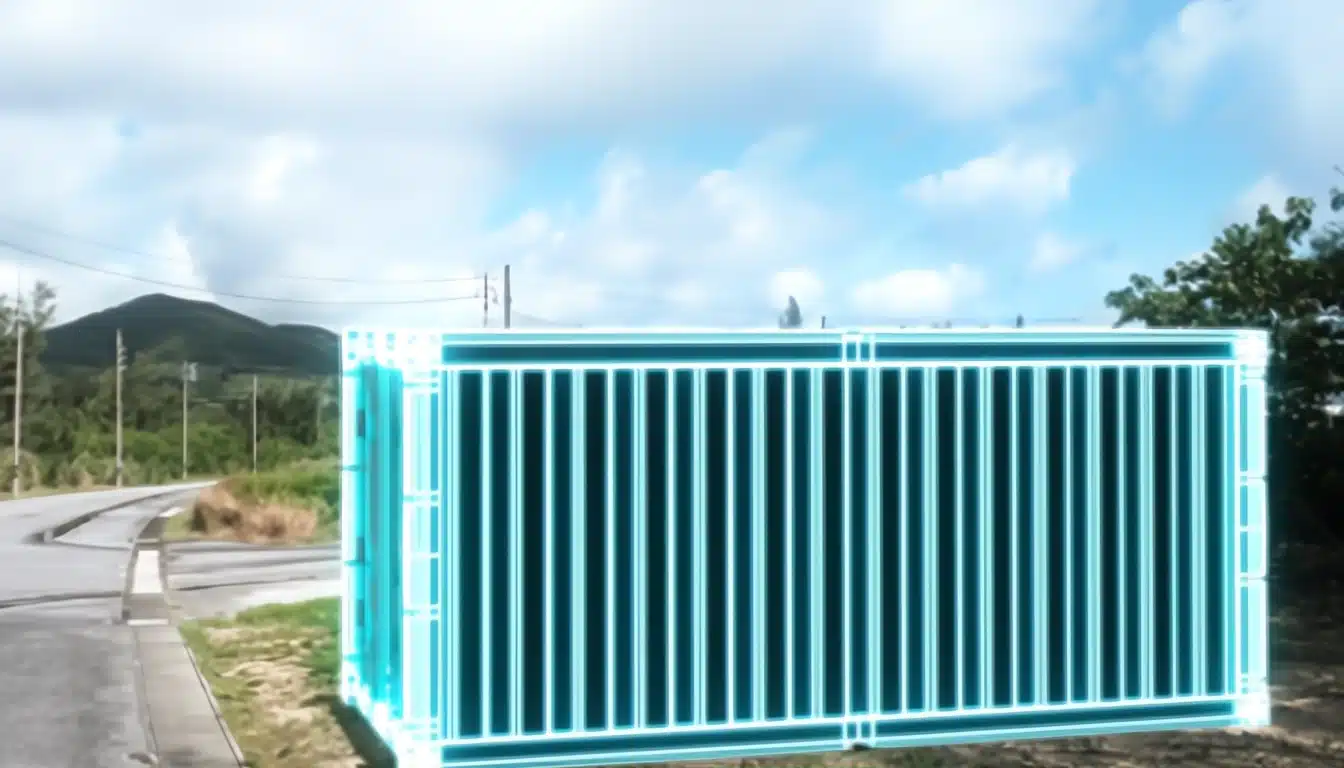
The three companies announced the agreement on 4 August. The pilot will use containerised equipment installed on land, drawing in seawater from around the island and separating out the CO2 dissolved in it. The partners want baseline data on operating challenges and environmental effects before any wider deployment along Japan’s coast.
Direct ocean capture removes carbon straight from seawater. The ocean sits in balance with the atmosphere, so taking CO2 out of the water prompts the sea to absorb more from the air. Because seawater holds roughly 100 to 150 times the CO2 concentration of the atmosphere, backers argue the method could capture carbon at lower cost and with less energy than air-based approaches.
Kume Island already hosts pilot projects suited to its location, including ocean thermal energy conversion, and has a concentration of marine research expertise. That made it the partners’ choice for the country’s first trial of the technology.
A route to commercialising Captura’s technology in Japan
All three companies have invested in Captura, the California-based direct ocean capture developer, through their investment subsidiaries and other channels. They have been exploring a domestic pilot together, and they position the Kume Island test as the first step towards deploying Captura’s technology commercially in Japan.
The logic is partly economic. Shipping and aviation are hard-to-abate sectors where electrification is difficult, so carbon removal is expected to carry part of the load. Building a domestic removal ecosystem would also curb the future cost of buying carbon credits from overseas.
What each partner brings
Hitachi will measure and record operating data and water quality, including dissolved inorganic carbon and pH, using analytical instruments from Hitachi High-Tech. By feeding that data back into plant operations, it wants to identify the operating conditions that give the best energy efficiency. It will also record the CO2 captured and the electricity consumed, groundwork for a measurement, reporting and verification platform that could support high-integrity carbon credits.
MOL will draw on its comprehensive partnership agreement with Kumejima Town to work with local stakeholders and prepare the pilot site. Japan Airlines, together with regional carriers Japan Transocean Air and Ryukyu Air Commuter, will lead promotion and awareness work, and will assess the technology as a future source of CO2 for its fuel supply.
From captured carbon to aviation fuel
The end goal is an island-based, self-sufficient carbon economy in which recovered CO2 becomes feedstock for synthetic fuels such as e-SAF, made by combining captured carbon with hydrogen produced from renewable power. The partners also plan environmental education and public engagement around the pilot, part of a wider effort to build what they call the blue economy from Japan’s ocean resources.