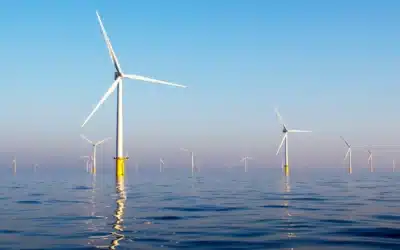
The IEA expects global electricity demand to grow 3.6 percent this year, and forecasts renewables overtaking coal as the world’s largest source of generation, a benchmark that investors and policymakers watch closely.
Global electricity use is climbing faster than last year, even as energy markets stay unsettled. The International Energy Agency published its Electricity Mid-Year Update on 23 July 2026. It forecasts demand growth of 3.6 percent in 2026 and 3.8 percent in 2027, up from 3 percent in 2025. Consumption reaches 30,700 terawatt-hours by 2027, against 28,600 in 2025.
The drivers are familiar. Industry, air conditioning, appliances, electric vehicles and data centres all pull more power onto the grid. Higher gas prices have tested many markets, yet underlying demand keeps rising.
Renewables pass coal
Renewables are on course to become the largest single source of electricity in 2026. They reached near parity with coal in 2025, and the agency now expects them to move ahead this year. Renewable generation should grow by more than 8 percent in 2026. Its share of global supply rises from 33 percent in 2025 to 37 percent by 2027.
Investors and policymakers treat the crossover as a marker of how fast the power transition is moving. It carries weight because coal held the top spot for decades.
Solar leads the expansion
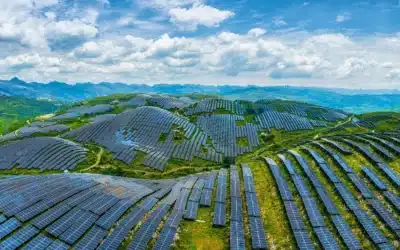
Solar continues to set the pace. The IEA forecasts solar PV output rising by around 600 terawatt-hours in 2026, matching the record added in 2025. That growth is enough for solar to overtake wind this year. Solar then becomes the second-largest renewable source of electricity after hydropower.
Similar expansion is expected in 2027. The pattern reflects steep cost falls and the speed at which new panels can be built and connected.
Uneven demand across regions
The largest economies show sharp rises in consumption. China’s demand growth accelerates to 5.5 percent in 2026, driven by manufacturing and electric vehicle charging. India rebounds to 7 percent after a weather-hit 2025. Growth in the United States and the European Union holds near 2 percent.
Some markets feel the strain differently. Higher fuel costs and supply disruptions weigh on price-sensitive LNG importers in Asia, including Pakistan and Bangladesh.
Gas shock reshapes prices
Disruptions to LNG flows through the Strait of Hormuz drove gas prices in Asia and Europe to their highest since the 2022-23 crisis. Extra supply, much of it from North America, eased some of the tightness. Even so, spot electricity prices in the European Union and Japan rose more than 30 percent year on year in the second quarter of 2026. US wholesale prices stayed broadly stable, while India’s rose by less than 10 percent.
The spikes prompted fuel switching from gas to coal in several Asian and European countries. That supported a small rise in power-sector emissions.
Emissions and flexibility
Carbon dioxide from electricity generation is forecast to rise by about 1 percent in 2026, then flatten in 2027. Growth in renewables and a strong increase in nuclear output together hold emissions in check.
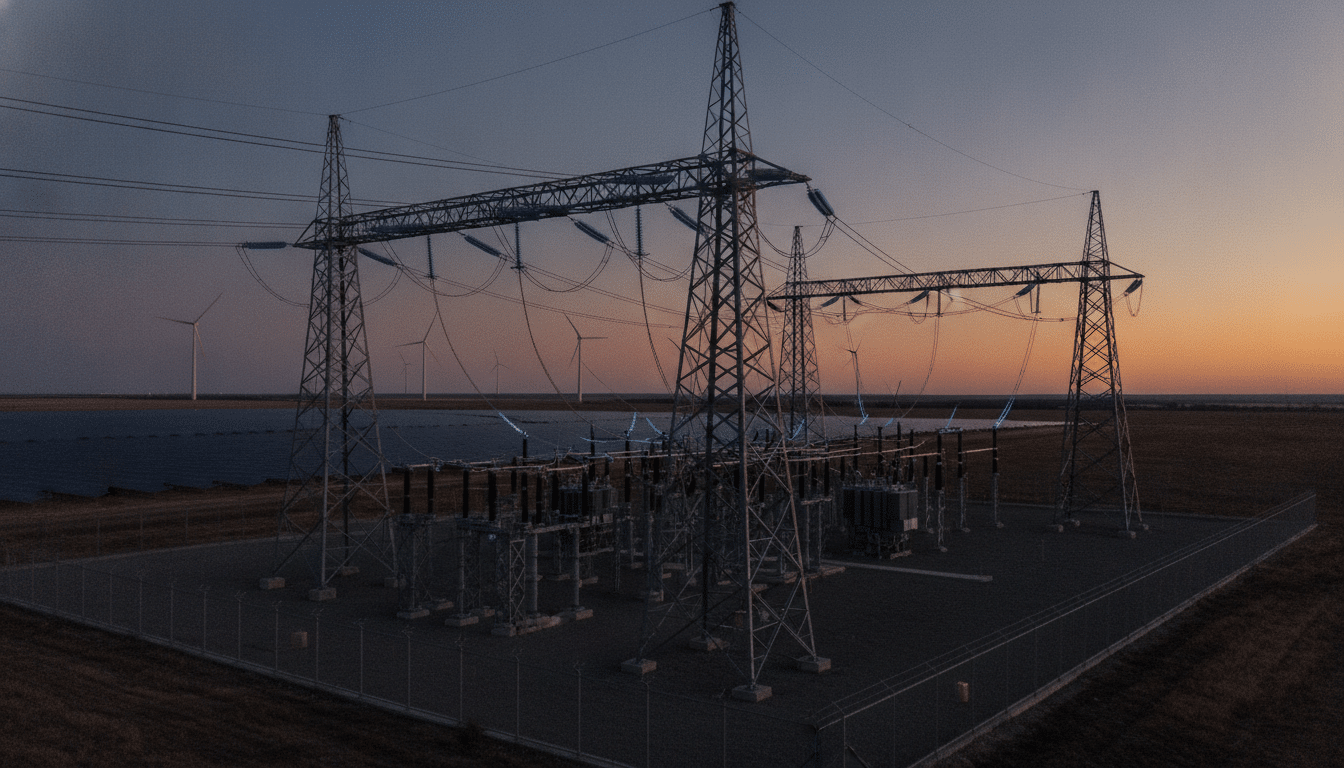
The report also flags weather risk. A stronger El Niño in 2026 could lift cooling demand while cutting hydropower and wind in some regions. As renewables expand, negative wholesale prices are becoming more common, a sign of limited flexibility. Battery storage and demand response grow more important as daily price swings widen.