Pacific meteorological ministers have committed to stronger national weather services and early warning systems, with El Niño now established and expected to peak around the turn of the year.
Ministers responsible for weather and climate services across the Pacific met in Nuku’alofa, Tonga, on 16 September. They agreed to strengthen early warning systems across the region. The Fourth Pacific Meteorological Ministers Meeting, known as PMMM-4, closed with the adoption of the Siu-í-Álaimoana-Ki-Likutapu Declaration. It sets out the ministers’ shared political commitment to stronger national meteorological and hydrological services.
The Government of Tonga hosted the meeting with the Secretariat of the Pacific Regional Environment Programme (SPREP) and the World Meteorological Organization (WMO). Its timing was pointed. Regional experts told ministers that El Niño is fully established and should peak between November 2026 and January 2027.
El Niño raises the stakes
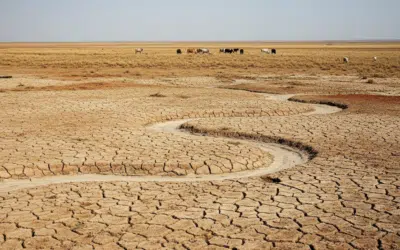
The experts also expect El Niño’s impacts to continue into 2027. For Pacific island states, that can mean drought in some places and heavier rain or stronger storms in others. So ministers discussed the need for continued preparedness and closer regional coordination.
Tonga’s Prime Minister, Lord Fatafehi Fakafanua, chaired the meeting. He framed the case for investment in economic terms. Weather and climate events cost the region “an average of half a billion dollars every year”, he said. He added that “every dollar invested in early warnings can return many times its value”.
He also pointed to Tonga’s own recent history. “The eruption of Hunga-Tonga Hunga-Ha’apai reminded the world that the hazards we face do not arrive one at a time,” he said. The January 2022 eruption triggered a tsunami and cut Tonga’s undersea internet cable, isolating the kingdom for weeks.
“Our region sits on the Ring of Fire and in the path of the cyclone belt,” Fakafanua added. He called on governments, development partners, regional bodies and the private sector to back stronger climate and meteorological services with investment.
A ten-year plan for regional services
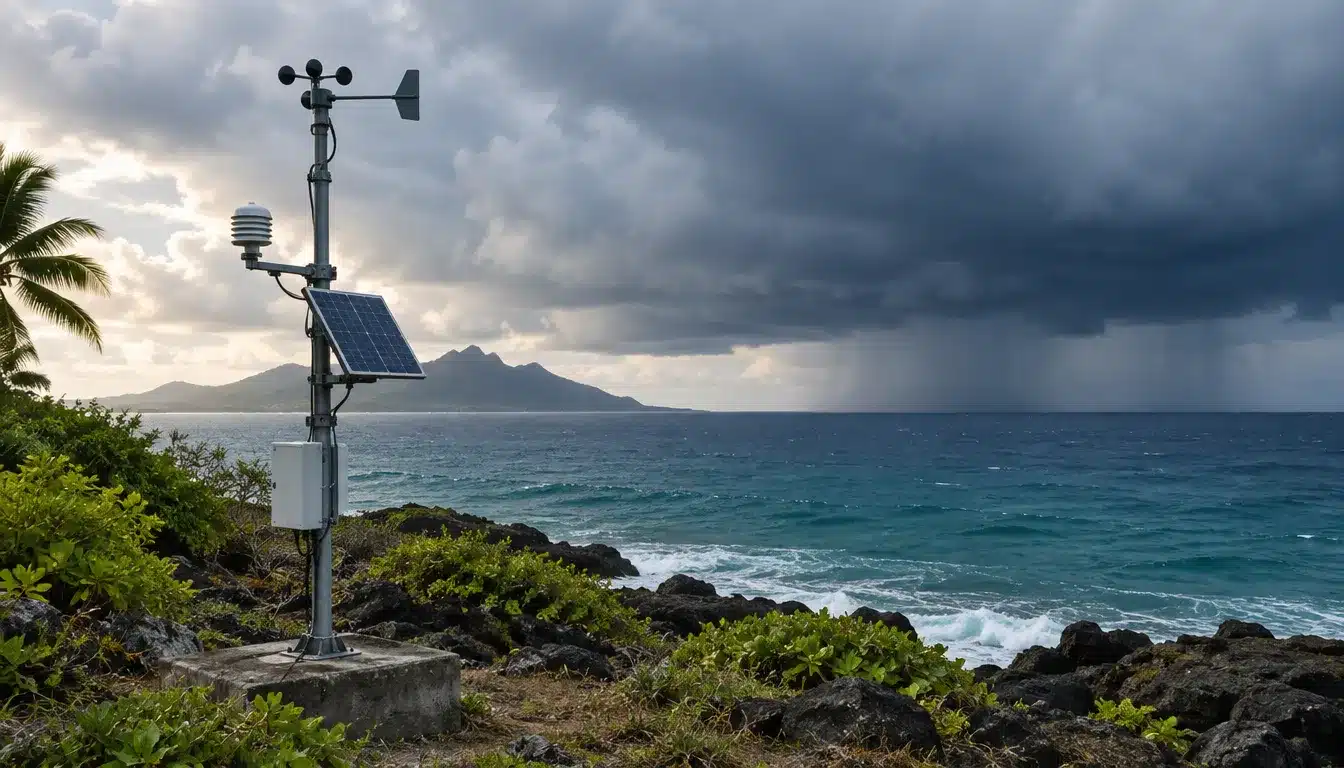
The ministerial meeting followed the Eighth Pacific Meteorological Council, which met in Nuku’alofa from 10 to 14 September. That council set out priorities for the next decade. They include stronger multi-hazard early warning systems and climate services. The council also wants better observations and data, and forecasts that reach communities and decision-makers.
Those priorities feed into a proposed Pacific Islands Meteorological Strategy for 2027 to 2036. The strategy gives the region a shared framework for weather, climate and water services. It is also meant to guide future investment and partnerships.
The plan rests on a simple logic. Strong national services underpin regional resilience, while cooperation lets small states share expertise, data and technology. Many Pacific meteorological offices are small, so pooled resources can go further.
Global backing for local warnings
WMO President Dr Abdulla Al Mandous called for Pacific leadership, regional ownership and international solidarity to turn the region’s ambitions into action. He urged countries to match their regional strategies with the WMO Strategic Plan for 2028 to 2031. That way, Pacific priorities should feed into global action.
He also highlighted the potential of artificial intelligence and other new technologies for forecasting. In addition, he stressed the need to widen early warning systems through the UN’s Early Warnings for All initiative. That UN programme wants every person on Earth covered by early warnings by the end of 2027. Small island states sit near the top of its priority list.
From declaration to funding
The declaration carries political weight. However, it doesn’t commit specific sums. The test now is whether donors and development banks follow the ministers’ lead with money for observation networks, staff and communication systems. Adaptation funding more broadly remains thin, as recent talks on drought finance दिखाया है।
For Pacific communities, the coming cyclone and dry seasons will be the real trial. With El Niño building, the value of early warning systems will show in how quickly warnings reach villages, farms and fishing fleets.