Climate-vulnerable countries will spend about 65% of their government revenue on debt this year, leaving little for adaptation, new ActionAid research covering 65 nations finds.
ActionAid published new research on 16 September showing that climate-vulnerable countries spend roughly 25 times more on debt repayments than on climate action. The charity examined 65 of the most exposed nations. Across that group, debt servicing is expected to absorb 65% of government revenue in 2026.
The report is the fourth in ActionAid’s annual How the Finance Flows series. It finds that 93.5% of the most climate-vulnerable countries are in debt distress or at risk of it. As a result, debt is squeezing budgets for adaptation, health and education just as climate impacts grow.
Teresa Anderson, global lead on climate justice for ActionAid International, said governments keep only a fraction of what they raise. “They are only getting to keep one third of the money that they are actually raising,” she said. She added that much of the debt was taken on “very unfair, illegitimate terms”.
Debt flows dwarf grant support
The report also compares debt flows with grant-based support. It finds that debt repayments from the Global South exceed the grant-based climate finance sent by wealthy nations by about 225 times. In other words, money leaving these countries far outweighs the money arriving to help them adapt.
Currency pressure makes the picture worse. Many of these governments borrow in dollars or other hard currencies, yet they collect taxes in their own. When a flood or drought hits, investors often pull money out and the local currency weakens.
Kevin Gallagher, director of the Boston University Global Development Policy Center, explained the knock-on effect. A weaker currency means governments must find “much more local currency to pay your debts”, he said. In turn, some countries lean harder on commodity exports, including fossil fuels, to earn foreign exchange.
Zambia shows the squeeze
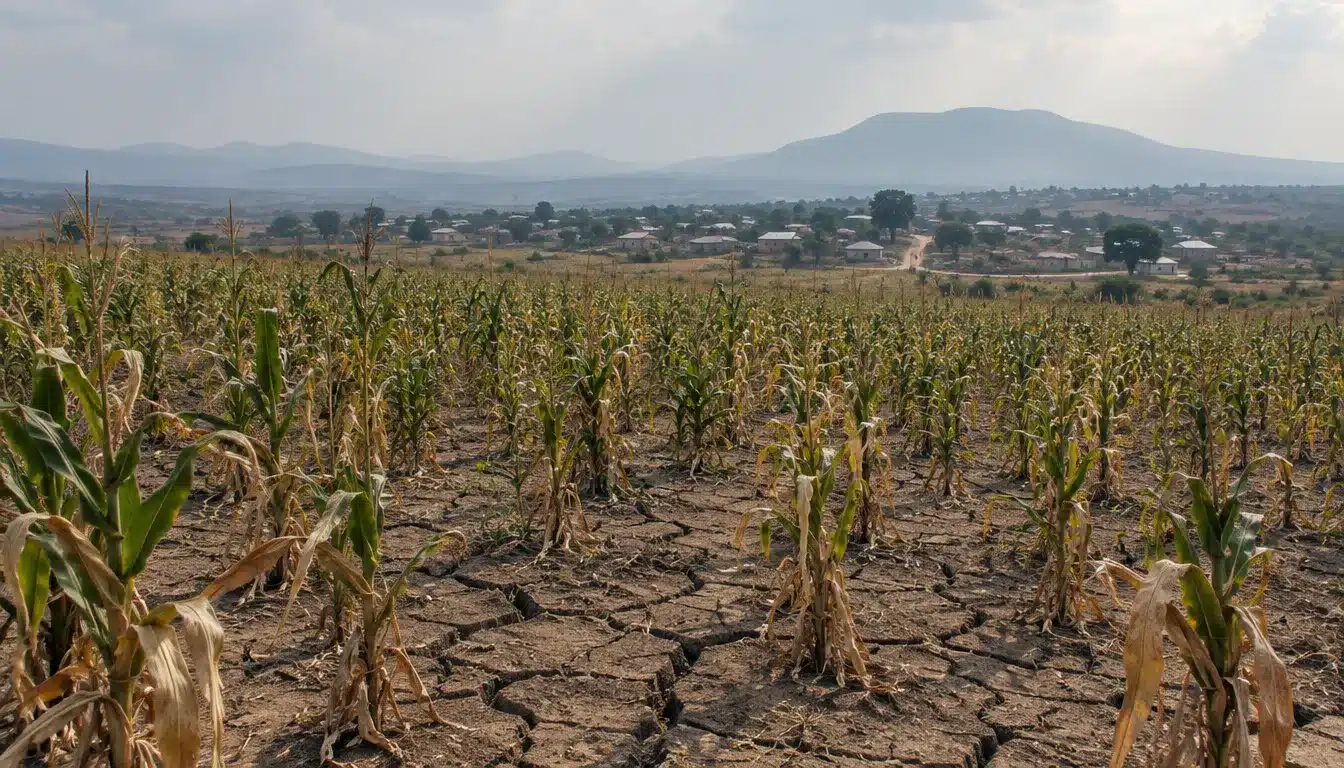
Zambia gives a stark example. The country suffered a severe El Niño drought in 2023 and 2024, which hit harvests and hydropower output. Even so, it is spending more than 60% of its government budget on debt repayment this year.
By contrast, just 0.32% of Zambia’s budget is set aside for climate resilience and adaptation. Michael Mwansa, ActionAid Zambia’s thematic lead on climate justice, said the drought pushed some families towards desperate measures. He pointed to a rise in child marriages as households sought resources to survive.
Mwansa argued that cancelling Zambia’s debt would free the government to respond to the climate crisis. It would also give it room to pay for other public services, he said.
A 10% ceiling on repayments
ActionAid’s central proposal is a cap. The report says no climate-vulnerable country should spend more than 10% of its national revenue on external debt repayments. Reaching that level would mean cancelling debts that can’t be repaid, or renegotiating terms to cut what is owed.
However, the route isn’t simple. Gallagher noted that most of these countries owe their debt to multilateral lenders such as the World Bank and the Asian Development Bank. He warned that cancelling it outright could damage those banks’ credit ratings and make future lending dearer.
Niranjali Amerasinghe, executive director of ActionAid USA, admitted that current political will is limited. Still, she said the goal was to let countries balance fair debt repayment with the spending they need.
Pressure builds before the autumn meetings
The findings arrive ahead of the IMF and World Bank annual meetings and COP31 later this year. Adaptation finance was already falling far short of need, as earlier analysis of the adaptation gap showed. Meanwhile, ActionAid argues that action on debt could be one of the most achievable climate measures available.
For creditors, the question is whether they treat debt and climate as one problem. For climate-vulnerable countries, the answer will shape how much they can spend protecting people from floods, droughts and heat.