Parallel Systems, founded by former SpaceX engineers, has raised $100m to build battery-electric rail cars that run without drivers. It wants to win short freight trips from diesel trucks.
US start-up Parallel Systems has raised $100m in a Series C round to scale up autonomous freight rail. AVP led the round. Hillspire, Agility Global, Cobalt Capital, Anthos Capital, Congruent Ventures, Riot Ventures and Collaborative Fund also took part.
The company will use the money to build more of its third-generation vehicle and to speed up its commercial launch. It has not yet carried a paying load. However, chief executive Matt Soule says that milestone is close.
A different kind of train
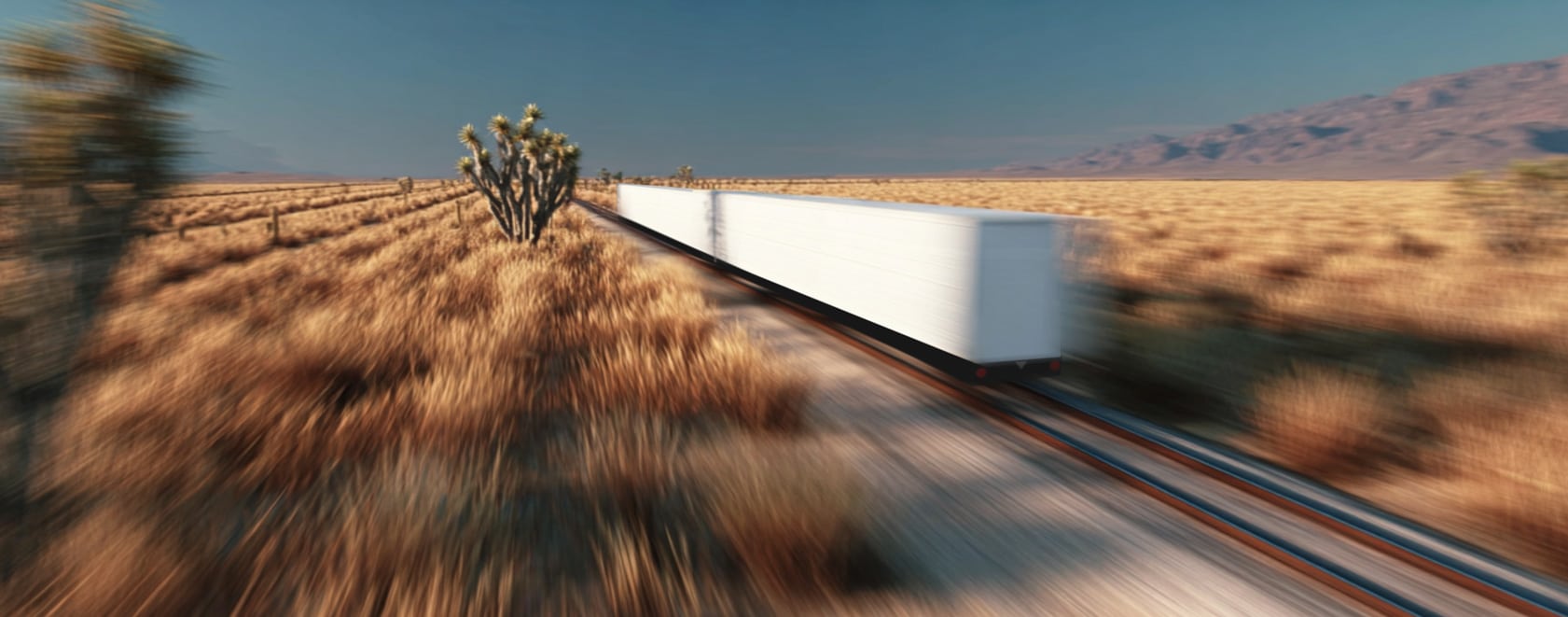
Parallel Systems builds battery-electric rail vehicles that run without an operator on board. Its latest model, the third-generation Panther, can carry freight up to 500 miles. Sensors on each vehicle watch the track ahead for obstacles.
The vehicles have no couplers, the links that join one rail car to the next. Instead, they travel alone or in short groups, known as platoons. As a result, they can split up in a rail yard without a crew, then head to different destinations.
That design targets a weak spot in rail freight. Conventional trains work best over long distances, with many cars hauled by one locomotive. On short routes, by contrast, the time spent building and breaking up trains eats into any cost advantage.
Trucks dominate short trips
“Less than 500 miles is hard for railroads to do competitively,” Soule said. As a result, trucks carry most of that freight today. Soule pointed to the long truck lines outside the Port of Savannah as an example, calling the scene “insanity”.
The US surface freight market is worth around $1 trillion a year. About 60 per cent of US freight trips cover less than 500 miles, and trucks handle most of them.
Trucking also brings congestion and emissions. Queues of lorries now build up at busy ports, where containers move onto roads for short trips inland. Meanwhile, diesel prices have hit record highs, and at least 16 trucking firms went bankrupt within a few weeks.
Testing near the Port of Savannah
The Federal Railroad Administration approved Parallel Systems about 18 months ago to operate near the Port of Savannah in Georgia. Since then, the company has tested its vehicles on 160 miles of track there to prove they are safe. Any driverless vehicle on the network needs that kind of sign-off, so the approval cleared an early hurdle.
Soule said the firm now has a clear “path toward our first commercial payload coming up very soon”. The company has not given a date. Still, the new funding should carry it through that first commercial run and into wider production.
Former SpaceX engineers founded the company in 2020. They had spent years designing avionics for rockets before turning to freight. That background shows in the focus on sensors, software and batteries, which sit at the heart of each vehicle. Those skills now have to work on freight lines that were built for very different trains.
Competing for the road
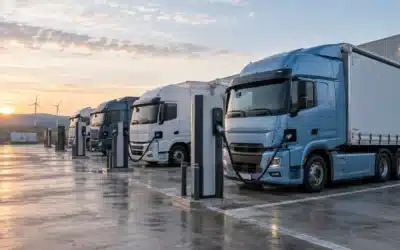
Parallel Systems is one of several firms trying to cut emissions from short-haul freight. Others focus on trucks themselves, for example through shared depot charging for electric trucks. Autonomous freight rail takes a different path, moving goods off the road and onto existing track.
Steel wheels on steel rails waste less energy than rubber tyres on tarmac. So a battery vehicle on rail needs less energy for each tonne it moves. If the economics hold, autonomous freight rail could give shippers a cheaper and cleaner option for trips under 500 miles.
Parallel Systems’ next step is its first paying load. After that, the company will need railways, ports and shippers to adopt its system at scale. For now, its investors have put $100m behind a business that has yet to carry commercial freight. That is a sizeable bet on the company hitting its timeline.