Italian cleantech company Circular Materials has secured €11.8 million in SAFE financing to back the industrial expansion of its wastewater-based metal recovery technology. Europe’s manufacturing sector is under growing pressure to source critical materials domestically.
This capital is intended to move the company from validated concept to commercial scale.
Who Backed the Round
The investment drew support from CDP Venture Capital, the European Innovation Council Fund, EIT RawMaterials, 360 Capital, Corbites, and Lumar S.r.l. Circular Materials was founded in 2019 and is headquartered in Padua. It has built a process that treats metal-laden industrial wastewater and converts the dissolved content into secondary raw materials. Those materials can then re-enter industrial supply chains as verified inputs.
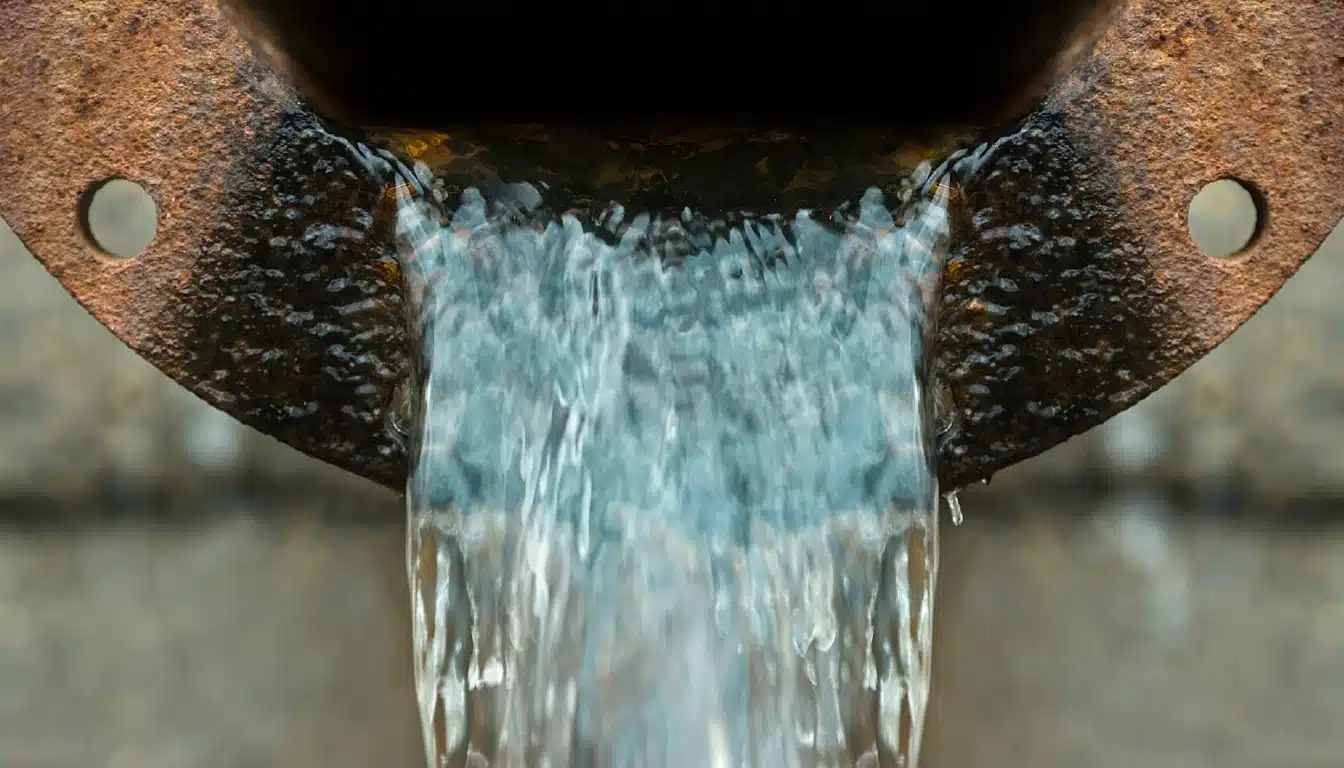
The company’s core technology is its Supercritical Water Precipitation system, known as SWaP. According to company reports, SWaP recovers more than 99 per cent of dissolved metals from difficult wastewater streams. It also cuts the volume of hazardous sludge produced in the process. Target sectors include metal surface treatment, electroplating, battery recycling, and chemical manufacturing.
The Strategic Case for Wastewater Recovery
Marco Bersani, chief executive of Circular Materials, said wastewater should be seen as a resource. He argued that the company’s mission is to build infrastructure that recovers materials and supports more circular industrial supply chains. That framing is gaining traction across Europe.
The European Union has been pushing to strengthen domestic access to critical raw materials. Industry groups and policymakers have increasingly identified industrial waste streams as a strategic source of metals. The goal is to reduce dependence on imports and improve resilience across manufacturing, clean energy, and advanced technology sectors.
Circular Materials has also attracted regulatory recognition. According to reports in the Italian start-up press, its Padua facility has received end-of-waste status under the European Waste Framework Directive. That status allows recovered output to re-enter industrial supply chains officially as secondary raw materials. Separate reporting indicates that the company’s RECOVER-IT initiative was selected as a strategic project under the EU’s Critical Raw Materials Act in 2025. Climate Solutions News has not independently verified either claim.
Plans for Expansion Across Europe
The new capital will fund a Circular Materials Hub in Ferrara. The company says this site will substantially increase treatment capacity. It will also serve as a template for further recovery facilities across Europe’s industrial regions. The Ferrara hub is the company’s primary near-term infrastructure priority.
The broader commercial logic is straightforward in outline. Industrial wastewater containing dissolved metals is generated at scale across Europe. Most of it has historically been managed as a disposal problem. Circular Materials is betting that treating it as a feedstock instead produces both an environmental and economic return.
What the Technology Does and Where It Fits
SWaP operates by using supercritical water conditions to precipitate metals out of solution. The result is a concentrated secondary material rather than a dilute sludge requiring hazardous disposal. The process is designed to handle streams that conventional treatment struggles with.
The sectors Circular Materials is targeting generate large volumes of metal-contaminated wastewater. Electroplating and surface treatment, for instance, use metals such as nickel, chromium, and zinc in their processes. Battery recycling generates streams containing lithium, cobalt, and manganese. Recovering those metals at source reduces both disposal costs and the need for virgin material imports.
Europe’s Critical Raw Materials Act, adopted in 2024, sets domestic production and recycling targets for a list of strategic materials. Recovery from industrial waste streams is one mechanism through which those targets could be met. Circular Materials is positioning itself directly within that policy architecture.
The company’s move from industrial validation to commercial deployment is a significant step. Scaling a process that performs well in controlled conditions across multiple industrial sites introduces new variables. Feedstream composition varies. Permitting timelines differ by country. Offtake agreements for secondary materials require established buyers.
Circular Materials has not publicly detailed the terms on which it expects to sell recovered metals, nor has it disclosed specific capacity targets for the Ferrara hub beyond describing the increase as substantial. Climate Solutions News was unable to verify those figures independently.
What is clear is that the funding environment for European critical materials recovery is becoming more supportive. Public institutions including CDP Venture Capital and the European Innovation Council Fund are directing capital into this space. Private investors are following. For a company with validated technology and a regulatory foothold, the conditions for expansion are more favourable than they were even two years ago.