Two European start-ups have cleared a US regulatory step for cow-free casein in cheese, with first products due in 2027 as their paths split between cheese and high-protein drinks.
Formo and Those Vegan Cowboys have secured a “no questions” letter from the US Food and Drug Administration for their animal-free casein. The companies say it’s the first such letter for a casein made by precision fermentation. It covers use in cheese analogues at up to 25 grams per 100 grams. As a result, first US products could follow in 2027.
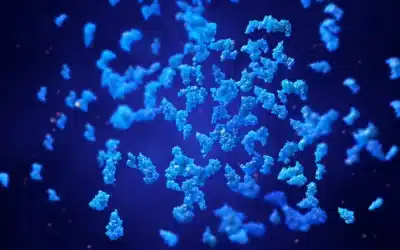
Casein makes up about 80 per cent of dairy protein, and it lets hard cheese melt and stretch when heated. Precision fermentation engineers microbes to produce that protein without a cow. Both ingredients match αS1-casein, the most abundant casein in cow’s milk. That single fraction accounts for roughly 40 per cent of the casein in milk.
What the FDA letter covers
The two firms filed their dossier jointly in December 2025. They asked the agency to review their view that the ingredient is generally recognised as safe, or GRAS. The FDA looked at identity and composition, the manufacturing process, allergenicity, toxicology and dietary exposure.
Its letter, listed as GRN 1312, closes that review. Formo itself points out that a closed review isn’t a product approval.
Infant formula and products under US Department of Agriculture rules fall outside the letter, as do drinks and nutrition uses. Like cow’s milk casein, the ingredient also counts as a milk allergen.
Formo now plans a further notice for more food and nutrition uses, including high-protein drinks. Meanwhile, the FDA has proposed scrapping the self-affirmed GRAS route, which makes a completed notice more useful.
“This is an important milestone for Formo and a significant step in building confidence in precision-fermented proteins,” said Raffael Wohlgensinger, founder and chief executive of Formo.
Two companies, two markets
The filing came out of two years of shared research, which has now finished. “Our R&D collaboration has come to an end, and both companies are now pursuing their own paths,” said Hille van der Kaa, chief executive of Those Vegan Cowboys.
Formo is aiming its Enhanced Casein at drinks and high-protein foods. The company says the ingredient stays soluble in clear, acidic drinks at pH 3 to 4. Its tested recipes reached up to 6 per cent protein.
It also reports strong foaming and low viscosity, although those results come from its own data. Formo has raised more than €135m to date and sells in the US through a subsidiary, Formo Foods.
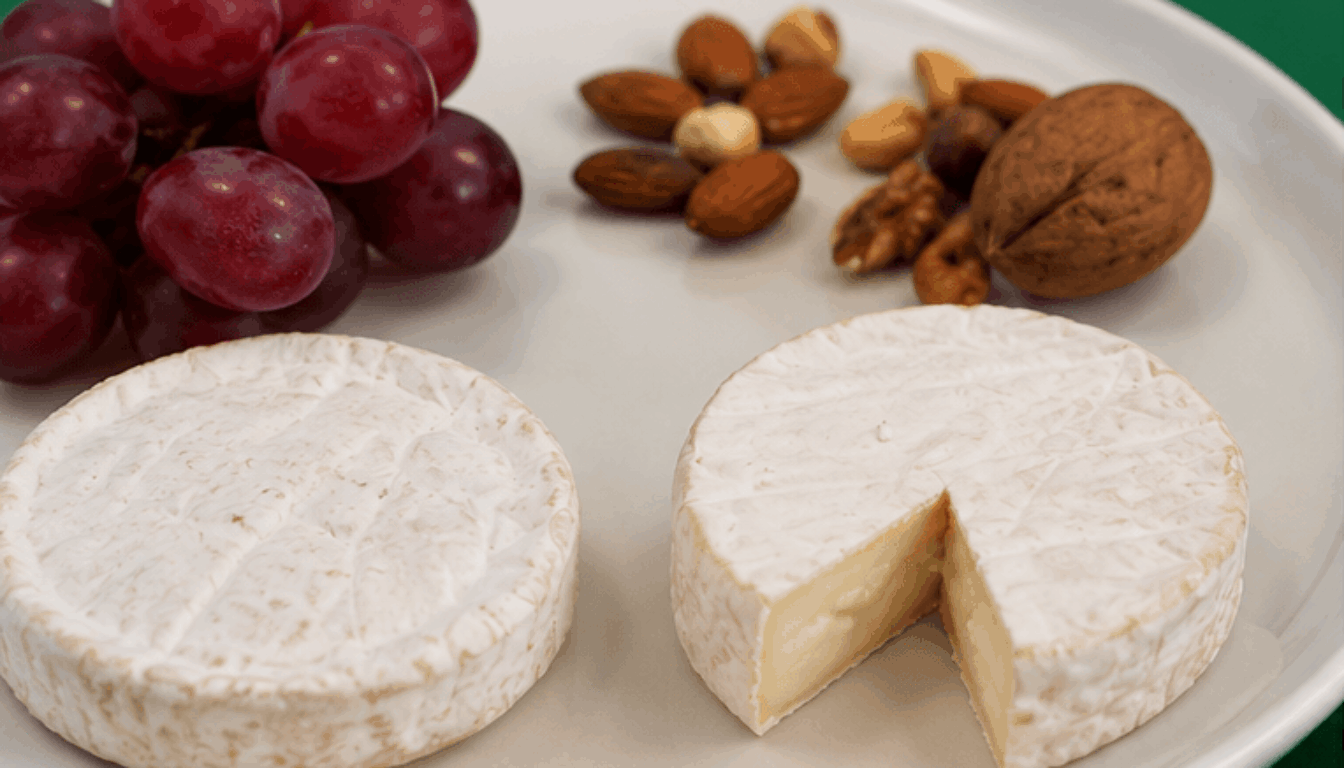
By contrast, Those Vegan Cowboys is staying with cheese first. It has developed cow-free mozzarella, feta, burger slices, cream cheese and Camembert, and it works with more than 10 food companies. Those partners include the dairy groups Westland Kaas and Hochland. Its ingredient carries the name Margaret’s Finest, and the company recently raised €12.25m from equity and crowd investors.
“We expect the first consumer products featuring our animal-free casein to enter the US market in 2027,” van der Kaa said. Partners will then sell those products under their own brands, starting with cheese. In addition, the company plans a European regulatory filing in 2027 and has said it intends to file in the UK and Singapore.
Whey prices give buyers a reason to look
Formo’s pitch leans on the cost of whey. Citing US Department of Agriculture data, the company puts whey protein isolate above $13 per lb in October and whey protein concentrate at about $10. Both are more than three times their early 2023 levels.
“Protein is driving growth across the US food and nutrition market, but traditional supply is struggling to keep pace,” Wohlgensinger said. Still, the current letter doesn’t cover drinks, so that market depends on its next notice.
Emissions claims still need evidence
The casein letter adds to a wider push towards microbe-based food, where the climate case rests on replacing animal protein. However, the FDA looked at safety, so its letter says nothing about emissions. Neither company’s announcement gives a life-cycle figure for animal-free casein either.
As a result, the next useful evidence will come from the market. The 2027 cheese launches will show whether animal-free casein can hold its place in real products at the permitted rate. They should also give buyers cost figures to set against dairy.