The French start-up will build a dedicated plant for its spirulina-based ingredient, backed by around €30 million in pre-orders from food companies.
French start-up Edonia has raised €15 million to move its microalgae protein ingredient into industrial production. SWEN Blue Ocean 2, Asterion Ventures and EIT Food led the round, announced on 6 October. Bpifrance added non-dilutive funding under the France 2030 programme, alongside bank financing.
Edonia will use the money to build a dedicated plant at a partner’s existing site in France. It also plans to grow sales to foodservice operators and food manufacturers in Europe, Japan and the United States. The company says it already holds around €30 million in pre-orders across some 20 contracts.
From green powder to brown grain
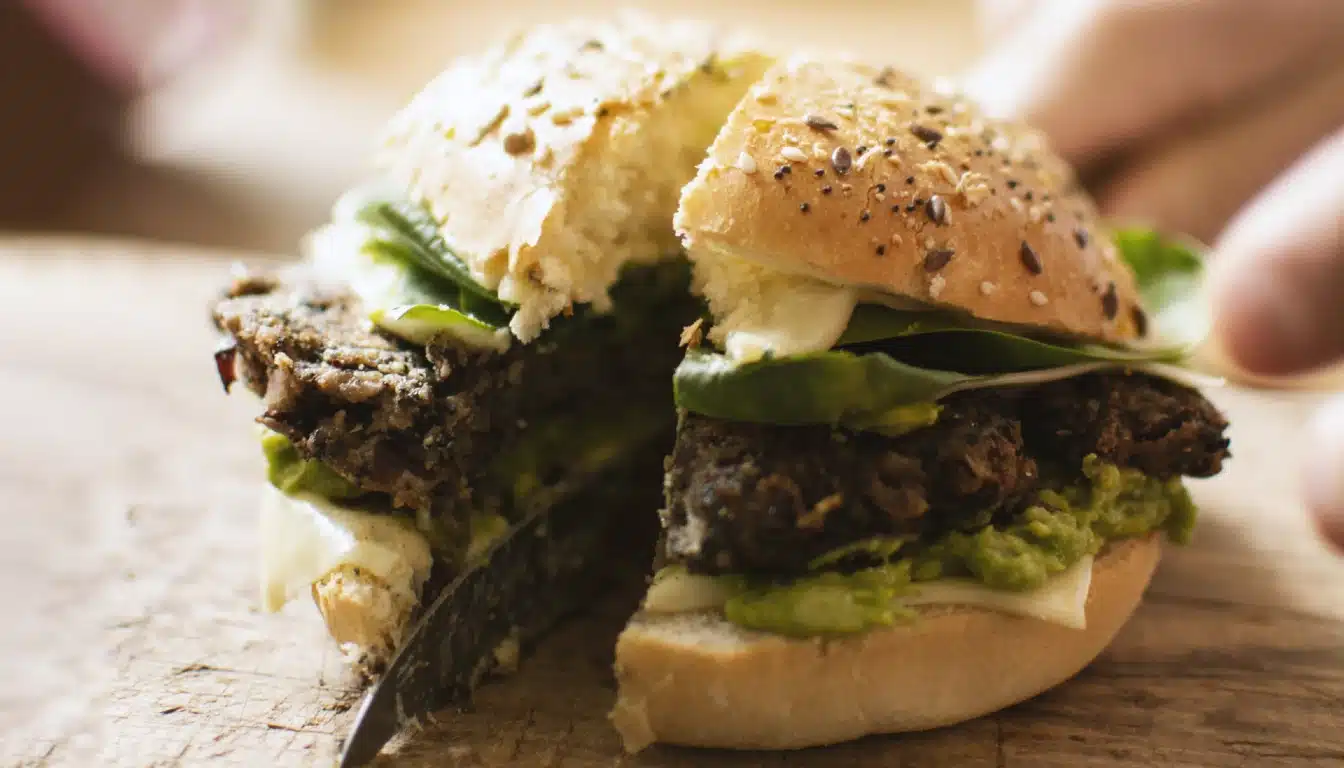
Spirulina is a blue-green microalga sold for decades as a supplement powder. However, its strong taste and colour have kept it out of everyday cooking. Edonia’s patented Edonization process, developed with AgroParisTech, cooks spirulina in oil at a controlled temperature. The result is a soft brown grain called Edo, which kitchens can use like minced meat.
Edo has two ingredients, spirulina and oil, with no added flavourings or texturisers. Edonia says it carries 27g of protein per 100g, more than minced beef. The company also puts its carbon footprint at up to 27 times lower than beef. Both figures are Edonia’s own.
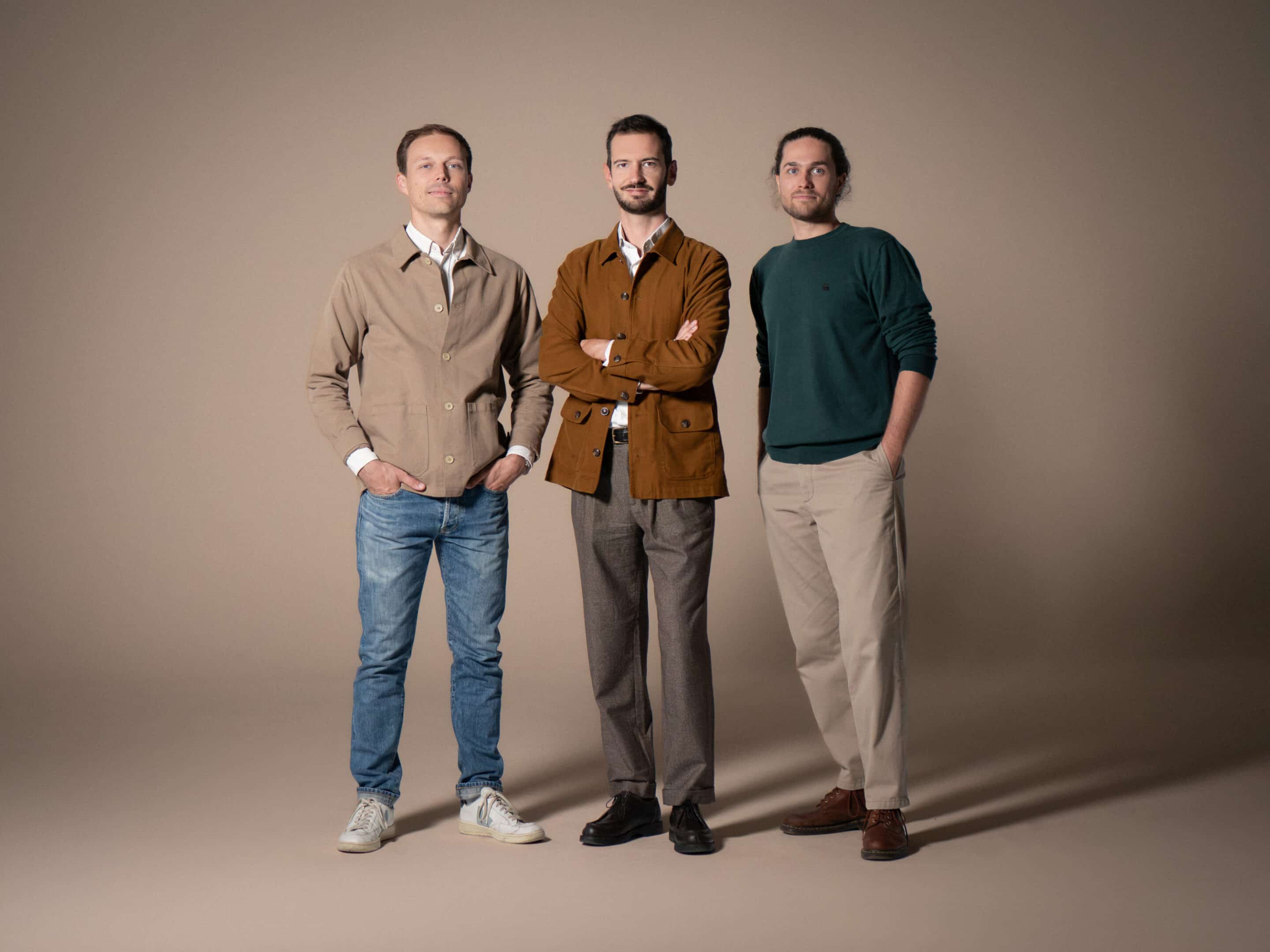
The Edonia team. From left to right: Pierre Mignon, COO/CFO; Hugo Valentin, CEO; Nicolas Irlinger, CTO
Contracts ahead of capacity
Founded in 2023, Edonia raised a first €2 million round led by Asterion in 2024. It then built an industrial pilot plant. Catering group Newrest, which operates in 50 countries, began using Edo in 2025. The ingredient now goes into thousands of meals a month across Newrest’s catering sites in France.
In retail, ready-meal brand Dietbon built a range on the ingredient. Edonia says 40 per cent of Dietbon customers switched from the meat version of its recipes to the Edo version. Satisfaction scores matched the original dishes.
The order book has grown quickly. Last November, Edonia put its pre-contracts at €15 million. That total has roughly doubled in under a year.
“We’ve proven that a whole food protein can outperform the animal on nutrition and compete on price, at real volume, with real clients. This funding gives us the resources to turn our promise into verified proof,” said Hugo Valentin, co-founder of Edonia.
Marine Reygrobellet, partner at Asterion Ventures, said the start-up “built a solid commercial pipeline even before the factory was up and running”.
A selective market for protein capital
Alternative protein companies worldwide raised $881 million in 2025, according to the Good Food Institute (GFI). In Europe, firms raised €236 million in private investment in the first half of 2026. That was up 56 per cent on a year earlier, according to GFI Europe. Meanwhile, global funding fell to €306 million over the same period and the number of deals halved.
European plant-based meat and dairy companies raised just €18 million, against €61 million a year earlier. GFI Europe argues that lenders have few pilot-to-industrial plants to judge. As a result, it says scale-up needs blended finance that mixes grants, loans and equity. Finland’s Solar Foods took that route, securing a €78 million grant and loan package from Business Finland.
Microalgae protein has drawn other backers. In Israel, Brevel extended its seed round to $25 million in March 2025 for its microalgae protein isolate. Other developers are working to industrialise photosynthesis for food protein. Edonia has not yet given a capacity or opening date for its French plant.