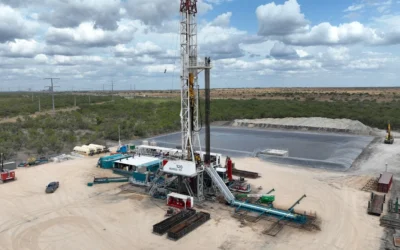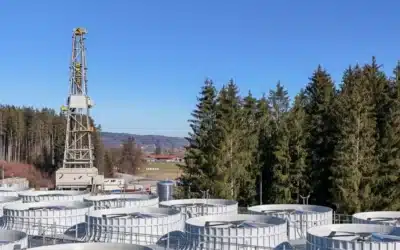
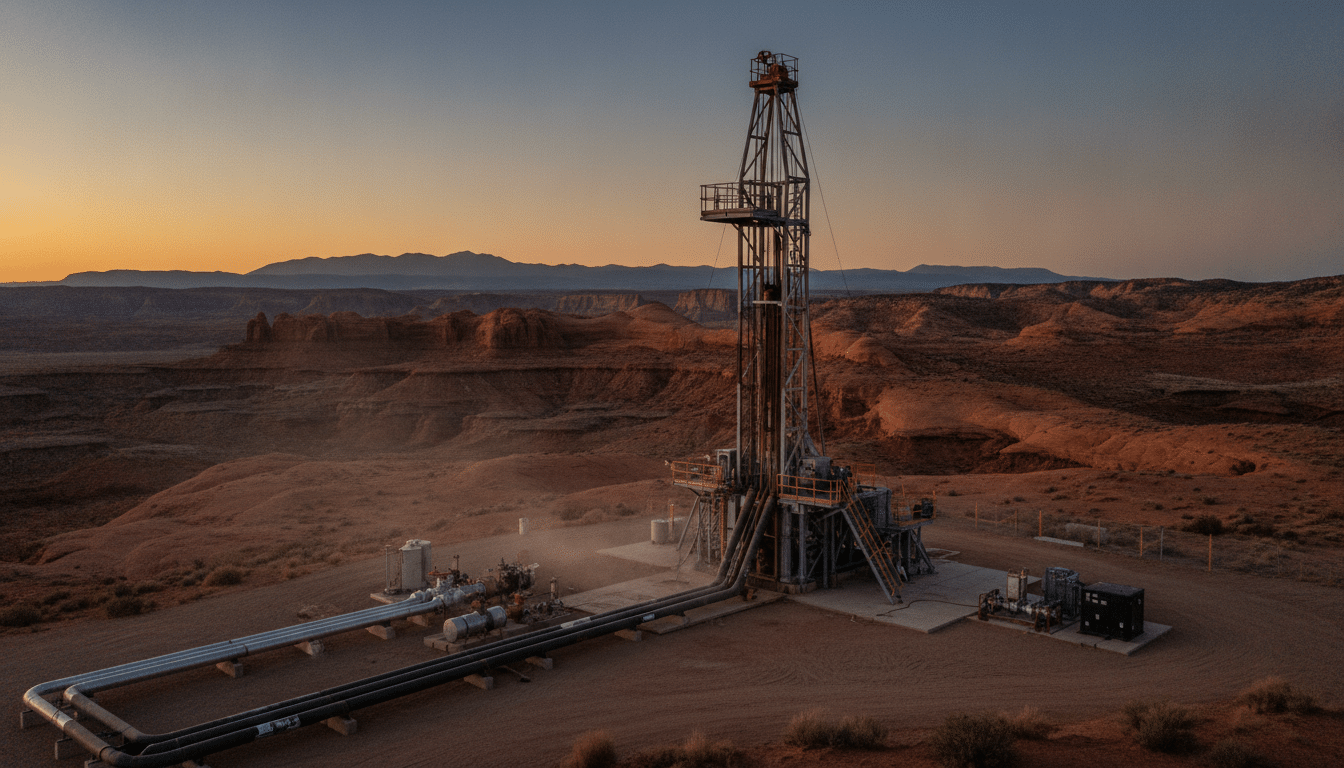
A four-month circulation test at the FORGE site in Utah will measure thermal decline and water loss, the two unknowns that decide whether enhanced geothermal can be financed like conventional power.
The Frontier Observatory for Research in Geothermal Energy began the extended circulation test earlier in August. It runs for 90 days, with an option to extend to 120, and evaluates reservoir performance under continuous flow. The University of Utah manages the site, which the US Department of Energy funds.
Enhanced geothermal systems, or EGS, work by drilling into hot dry rock and circulating water through engineered fractures to bring heat to the surface. The engineering is largely borrowed from oil and gas drilling. What nobody yet knows is how the reservoir behaves over years rather than weeks.
The two open questions
Kristie McLin, FORGE’s principal investigator, framed the test around variables that remain unmeasured. The work will study “heretofore unknown variables required to ensure long term EGS production remains commercially viable,” she said.
“Although major advancements have been achieved in the past few years, there is still a great deal we do not know about thermal breakthrough and water loss over time,” McLin added.
Thermal breakthrough happens when injected water reaches the production well too quickly and cools the reservoir. Water loss is the fluid that disappears into the rock and never returns. Both erode output, and both are hard to price without long-run data.
The Department of Energy called an extended circulation test of an EGS “a significant feat”, noting that only a handful of projects worldwide have reached the stage.
Why the timing matters
Commercial EGS is arriving before the longevity data does. Fervo Energy’s 500MW Cape Station in Utah is the first commercial-scale EGS project in the United States and is expected to start delivering power to the grid later this year.
Fervo went public in May, and its stock has since fallen 56 per cent from its initial peak. On the second quarter earnings call the company flagged transmission-related curtailment for 2027 and cut its FY27 revenue guidance to $63m from $79m, according to a research note by Jefferies equity analyst Julien Dumoulin-Smith.
David Ulrey, Fervo’s chief financial officer, said the company feels good about the things within its control. “Our ability to drill hotter, faster, deeper, and cheaper is an enormous mitigant to a host of factors on our risk register,” he said.
What answers would unlock
Lenders price geothermal against decades of output. Without evidence on thermal decline, that pricing carries a risk premium the sector has not been able to shed.
McLin said the extended circulation “will provide answers to the pressing questions about thermal decline and water loss, allowing geothermal companies to continue growing and to flourish”. Results from a 90-day run won’t settle a 30-year question, though they give the first serious data point.