Renewable energy sources have surpassed coal as the largest contributor to global electricity generation, according to analysis by the clean energy think tank Ember. The milestone marks the first time clean power growth has pushed coal into second place under normal economic conditions.
Ember’s latest Global Electricity Review found that renewables accounted for 33.8 per cent of electricity generation in 2025, edging ahead of coal at 33 per cent. Previous declines in coal generation had been caused by recessions or pandemic-related disruptions rather than the displacement of fossil fuels by clean energy. This time, the driver was growth in renewable output.
Solar leads the charge
The International Energy Agency reached a broadly consistent conclusion in its Global Energy Review 2026. Global electricity output rose by more than 850 terawatt-hours last year. Coal-fired generation fell by around 0.5 per cent, its first decline outside crisis conditions since 2015.
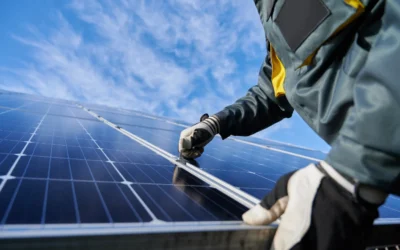
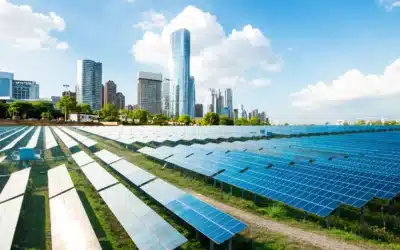
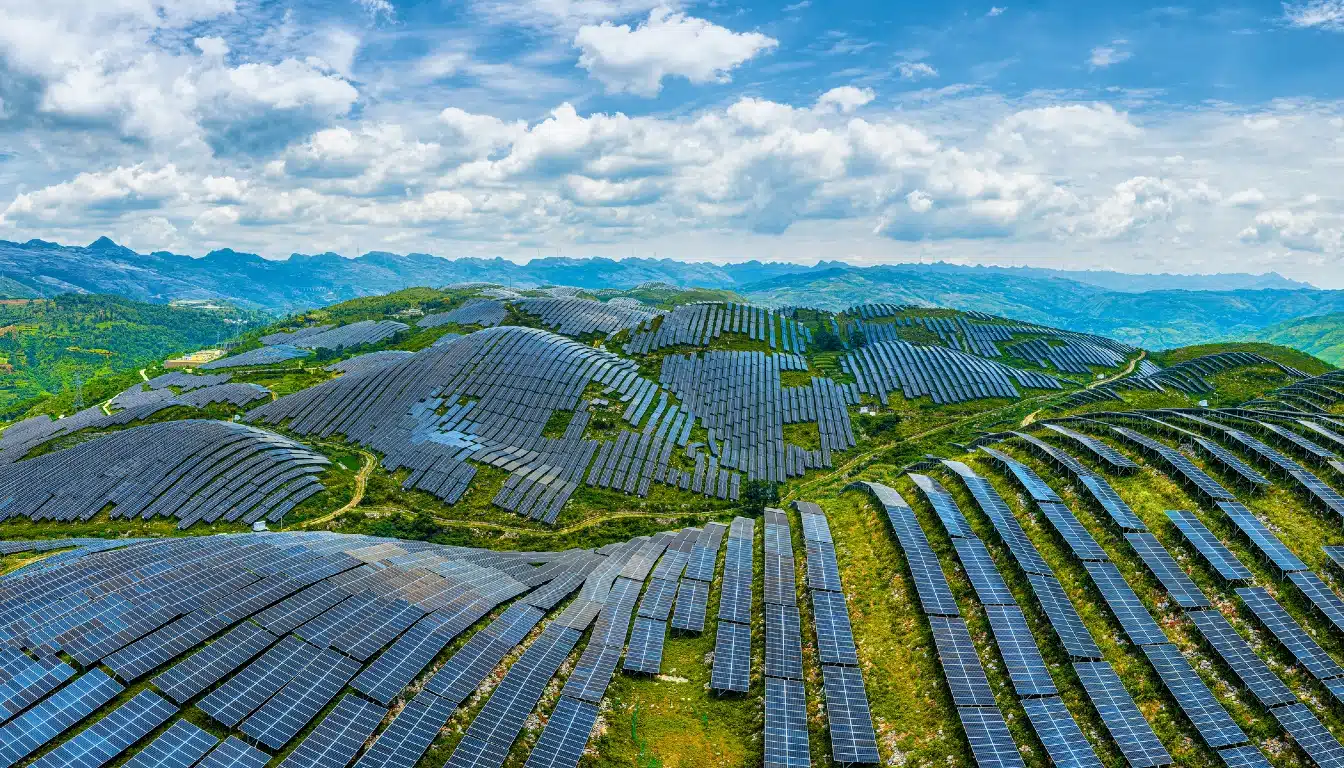
Solar was the dominant force behind the shift. Ember found that wind and solar together supplied 99 per cent of the growth in electricity demand in 2025, with solar alone responsible for 75 per cent of that increase. The IEA described the rise in solar photovoltaic generation in 2025 as the largest absolute increase ever recorded for any energy source. Output from solar grew by approximately 30 per cent year on year.
Solar still accounts for a relatively modest share of total electricity generation. Axios reported a figure of 8.7 per cent for 2025. Even so, that level of output proved sufficient to keep power-sector carbon dioxide emissions broadly flat, despite higher overall consumption. The Renewable Energy Institute confirmed that the combined growth of solar and wind was enough to meet new electricity demand, even as electrification and data centre expansion pushed consumption higher.
Electric vehicles and rising demand
Ember also identified electric vehicles as a structural driver of rising electricity consumption. EVs contributed 66 terawatt-hours of additional demand in 2025, up from 36 terawatt-hours in 2024, accounting for around 8 per cent of the total increase in global electricity use. Global EV sales now exceed a quarter of the car market, according to Ember’s figures.
The implications run in two directions. Higher EV adoption adds pressure on electricity grids. It also strengthens the economic and political case for expanding low-carbon generation capacity, as the transport sector’s dependence on electricity grows.
Battery storage reshapes solar deployment
Battery storage is increasingly shaping when and how solar power is used. Ember reported that falling battery costs have accelerated deployment significantly. It estimated that enough battery capacity was installed in 2025 to shift 14 per cent of new solar output beyond peak daylight hours. That capability is altering the character of solar as a resource, moving it away from a generation source constrained by daylight towards something closer to dispatchable power available across a broader range of hours.
Structural challenges remain
The picture across the global energy system remains uneven. Coal still supplies a large share of total electricity generation, and the gap between renewables and fossil fuels at the system level is far from closed. The next phase of the transition will depend on whether clean power can sustain its current growth trajectory alongside rising demand from transport, industry, and digital infrastructure.
Data centres present a particular complication. The expansion of artificial intelligence infrastructure is driving substantial increases in electricity consumption in several markets. Some US states have already moved to restrict large data centre developments in areas where grid capacity is constrained. The scale of that demand growth could, in principle, complicate efforts to keep emissions flat even as renewable capacity expands.
A structural turning point
Those pressures notwithstanding, the 2025 data represents a meaningful structural shift. For the first time, the question is no longer when renewables will catch coal, but how quickly they can extend an advantage they have already established.
The result reflects compounding effects across the energy system: sustained falls in solar and battery costs, rapid EV adoption, expanding grid infrastructure, and rising investment in clean generation. Each of those trends is self-reinforcing to varying degrees.